Lifestyle
Snacking Habits and Fast Lifestyles Drive Fast Food Growth
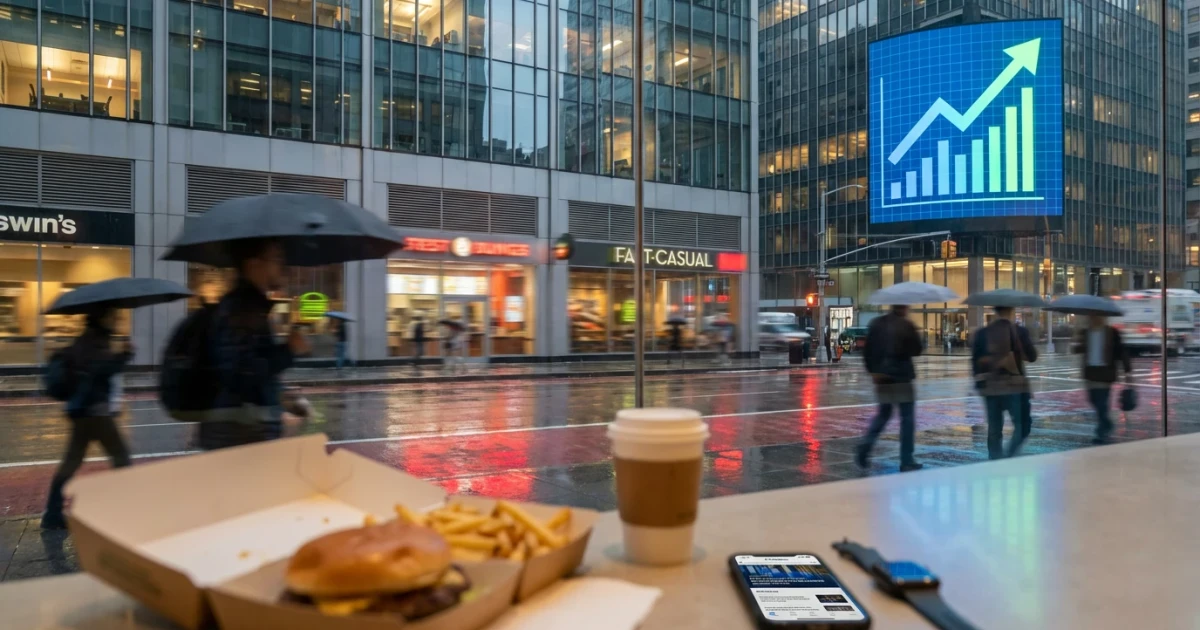
Changing eating habits and the demands of fast-paced modern life are fueling significant shifts in the global fast food market. Recent analysis highlights how snacking culture and busy schedules are driving industry trends and shaping forecasts for the sector through 2034.
Snacking Culture Reshapes Fast Food Demand
The rise of snacking as a preferred eating occasion is a defining trend in the fast food market. As more consumers opt for multiple smaller meals or snacks throughout the day, fast food chains are expanding menu options to include portable, snack-sized items. This shift reflects a broader consumer move away from traditional three-meal patterns toward flexible, on-the-go eating.
- Industry researchers note that snack sales have climbed steadily, with fast food brands introducing items like mini sandwiches, wraps, and shareable bites to cater to snacking demand.
- Major chains are also experimenting with limited-time offerings and value deals targeting snackers, aiming to boost traffic during non-peak hours.
- Market analysis projects that this snacking trend will remain a key growth driver through 2034, as convenience continues to shape consumer choices.
Busy Lifestyles Fuel Convenience Eating
Urbanization, dual-income households, and increasingly busy schedules are reinforcing the appeal of fast food. With less time for meal preparation, consumers are seeking quick, accessible, and affordable options.
- Analysts report that fast food outlets are strategically located near workplaces, schools, and transit hubs to capture time-pressed customers.
- Delivery and digital ordering platforms have seen significant growth, allowing consumers to access fast food with minimal disruption to their routines.
- Industry forecasts suggest that the pace of modern life will continue to support fast food demand, especially among millennials and Gen Z, who prioritize speed and convenience.
Market Outlook and Forecast to 2034
Looking ahead, the fast food market is expected to experience steady expansion. Market projections indicate that the industry will continue to adapt to evolving consumer habits, with snacking and convenience at the center of innovation.
- Emerging health and wellness trends are prompting some chains to introduce lighter, healthier snack and meal options.
- Customization and menu variety are also becoming more important as consumers seek personalized, flexible choices.
- Technology integration, from mobile apps to self-service kiosks, is expected to enhance the speed and efficiency of fast food experiences.
Industry experts anticipate that the combination of snacking culture, busy lifestyles, and ongoing menu innovation will drive sustained market growth through the next decade and beyond.
Conclusion: Fast Food’s Evolving Role in Modern Life
The fast food sector’s adaptation to shifting consumer preferences highlights its resilience and agility. As snacking and convenience become even more central to daily routines, brands are poised to capture new opportunities—provided they continue to innovate and respond to emerging trends. With forecasts pointing to continued growth, the fast food market remains a bellwether for changing lifestyles and eating habits worldwide.