Health
Snail mucus reveals three distinct formulas with biomaterial potential
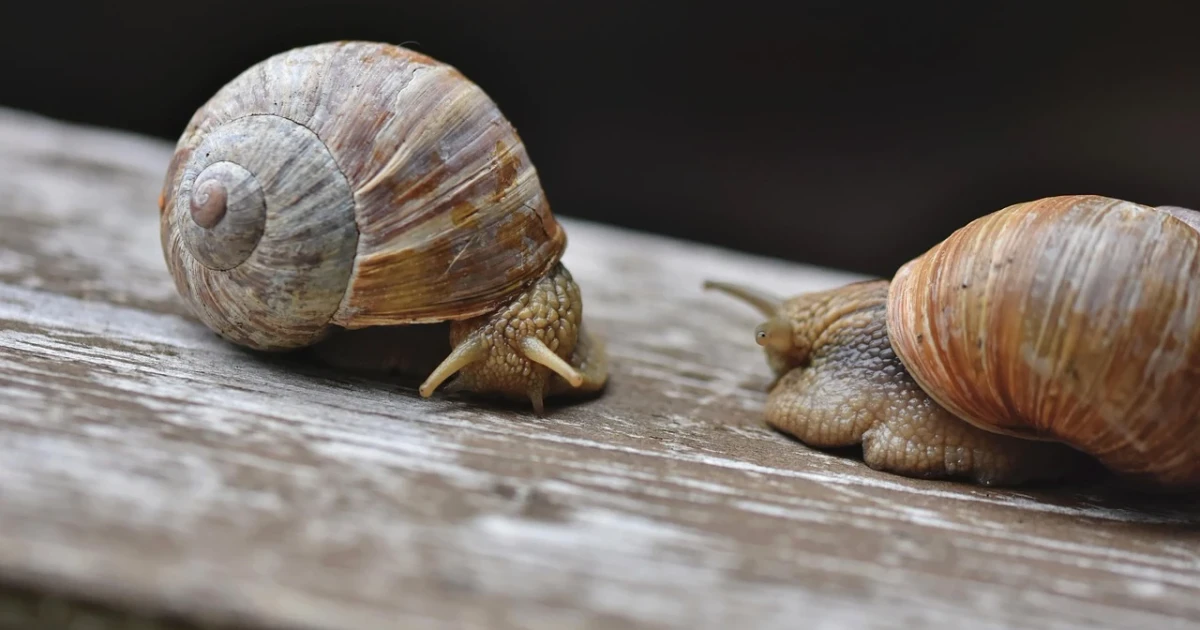
Snail mucus is not a single substance. Garden snails make at least three functionally distinct secretions, and the chemistry changes with the job, from sticking to surfaces to easing movement and protecting the animal’s body.
Three formulas, three functions
The clearest evidence came from a Nature Communications study published on September 2, 2023, titled “Comparative mucomic analysis of three functionally distinct Cornu aspersum Secretions.” The work focused on Cornu aspersum, the common garden snail, and showed that the species produces different mucus types for different tasks rather than one universal slime.
A Chemistry World analysis published on September 14, 2023, added the key material-science detail: the three mucus types differed subtly in proteins, ions and matrix components. That matters because in biomaterials, small shifts in chemistry can change whether a substance behaves like a lubricant, an adhesive, a protective film or something in between.
A companion ACS/C&EN piece and an Advanced Science Research Center at CUNY post both pointed in the same direction. Scientists were comparing multiple snail mucus types and identifying novel proteins, which suggests the material is more complex than its reputation as a simple slippery secretion.
Why the switching behavior matters
The real breakthrough is not that snails are slimy, but that they can tune that slime for distinct mechanical functions. A secretion that helps a snail glide across rough ground is not the same as one that must anchor the animal or defend its body from abrasion and dehydration. That makes snail mucus interesting as a natural example of a responsive material, one that can shift between lubrication and adhesion.
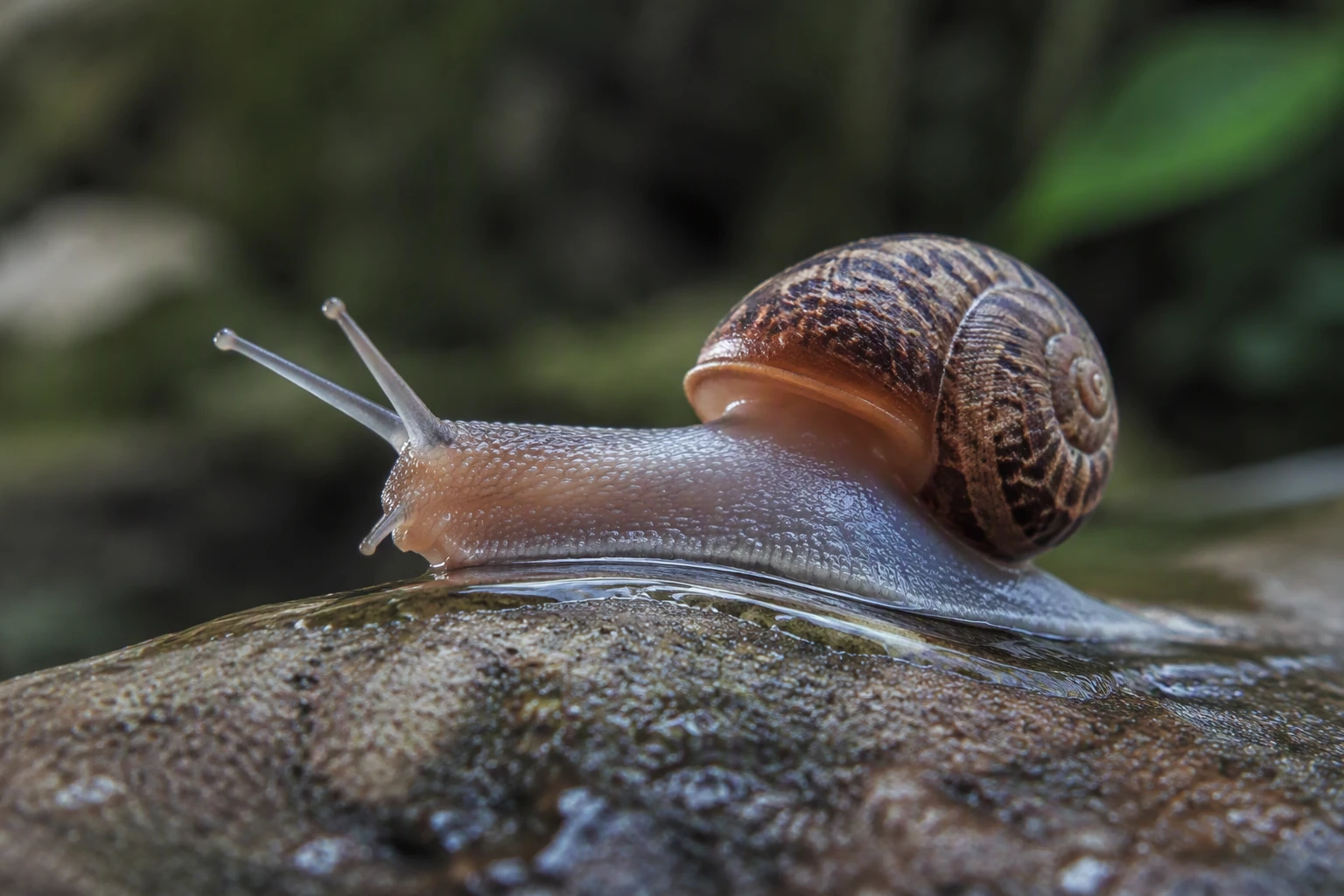
That switch has practical appeal because engineers are trying to build synthetic materials that do the same thing on demand. Medical glues need to bond in wet environments, soft robotics needs surfaces that can grip and release without damage, and industrial coatings need films that can protect, self-adjust or reduce friction under changing conditions. Snail mucus is attractive precisely because it solves these problems in a biological system that works at room temperature, in water and on irregular surfaces.
From biology to biomaterials
Interest in snail mucus as a biomaterial was already visible in a 2021 mini review in Frontiers in Bioengineering and Biotechnology, which placed snail mucins in the context of biomaterials and skin wound treatment. That framing has only widened since then. A Nature article published on January 8, 2024, said snail mucus had become a popular skin-care ingredient and could have uses beyond cosmetics.
The chemistry also helps explain why skin researchers keep coming back to it. In broader dermatology literature, snail mucus is often associated with allantoin, glycolic acid and proteins, a combination that may help support skin improvement and regenerative applications. Those ingredients do not make the secretion magical, but they do make it biologically interesting as a source of molecules that can influence hydration, exfoliation and tissue response.
Commercial demand has already pushed the material out of the lab and into the market. National Geographic reported in January 2024 that consumers worldwide were buying skin-care products containing snail mucus, and that the market for those products had reached global scale by 2022. That commercial pull matters because it creates pressure for better sourcing, better standardization and better definitions of what is actually inside each formulation.
The extraction problem is not a footnote
One of the biggest scientific hurdles is that snail mucus changes depending on how it is collected. Scientific Reports published a study on September 27, 2024, titled “Influence of the extraction method on functional properties of commercial snail secretion filtrates,” which underlines a basic problem for both cosmetics and medicine: the way the secretion is extracted can alter what it does.
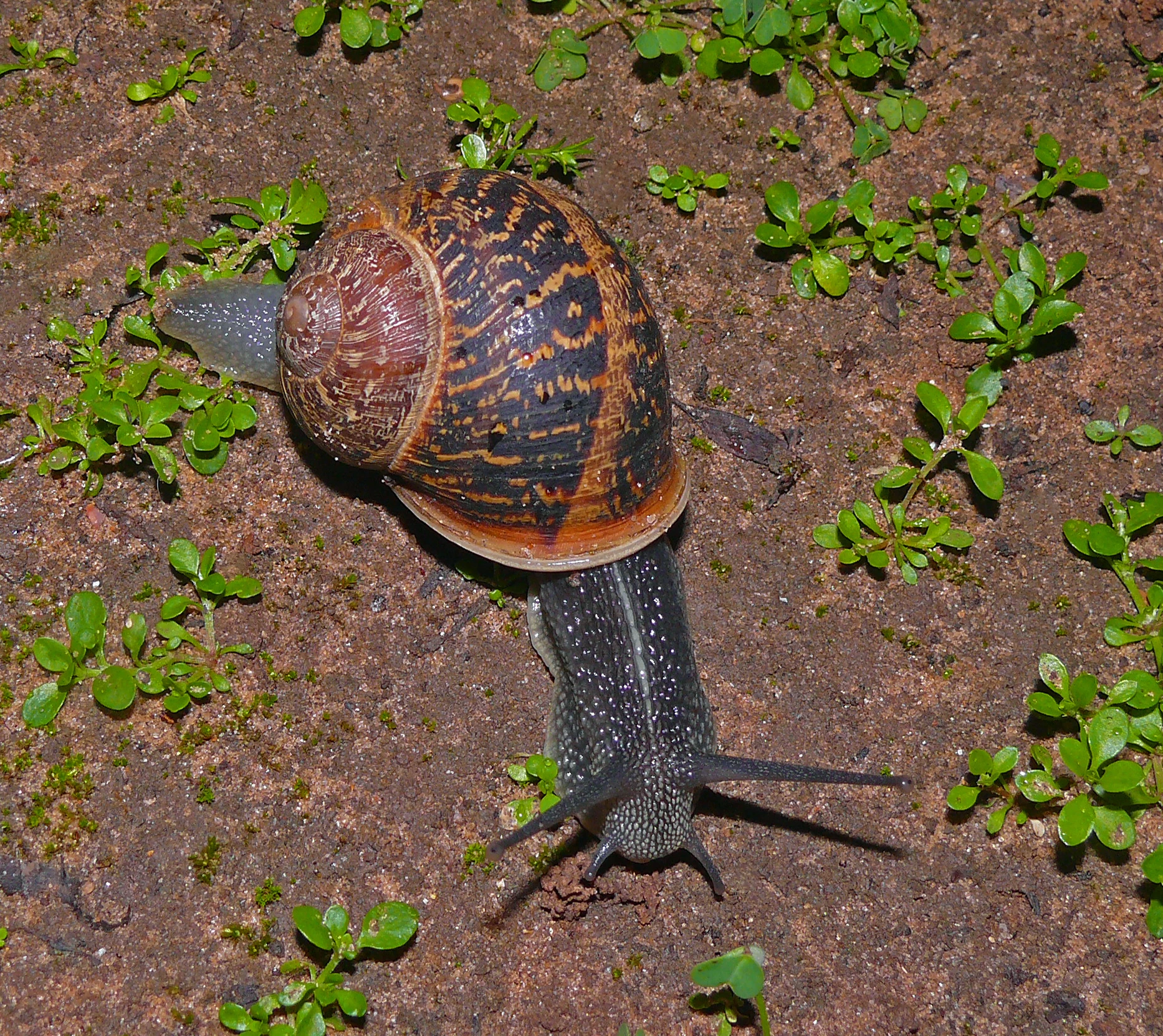
That finding is a warning for anyone trying to turn snail mucus into a reliable product. Two samples labeled broadly the same may behave differently if one is harvested and processed in a way that preserves proteins and matrix components while another is not. For medical use, that variability could affect adhesion strength, biocompatibility, stability and shelf life.
The 2025 preprint literature pushed the structural story further. A ChemRxiv paper from Mariella Gabler, Emeline Raguin, Ernesto Scoppola, Barbara Steigenberger, Assa Yeroslaviz, Peter Werner, Peter Fratzl and Franziska Jehle, associated with the Max Planck Institute of Colloids and Interfaces in Potsdam, Germany, and the Max Planck Institute of Biochemistry in Martinsried, Germany, said snails use collagen VI as a main structural component and add amorphous calcium carbonate during mucus formation. That is a significant clue because collagen and calcium-based mineral phases are both well known in materials science for shaping strength, texture and mechanical response.
Where the applications are headed
The target list around snail mucus is unusually broad. Researchers have discussed wound repair, strong adhesives, tissue repair, soft robotics, industrial coatings and even cancer-related research. The strongest near-term cases are still in skin care and wound treatment, where naturally derived compounds with film-forming and soothing properties are easier to test than fully engineered surgical products.
The harder leap is from biological curiosity to reproducible technology. A 2025 review described snail mucus as a highly efficient natural multifunctional biomaterial, but turning that into medical glue or a factory-ready coating will require control over composition, purification and performance. The science now points to a material with layered chemistry, not a single active ingredient, and that complexity is exactly what makes it promising and difficult at the same time.
For biomaterials, that is the central lesson: snail mucus is not just slippery residue. It is a tunable biological system with separate formulas for separate jobs, and the next stage of research is about learning how to copy that versatility without losing consistency.
Sources
- [1]npr.org
- [2]nature.com
- [3]chemistryworld.com
- [4]asrc.gc.cuny.edu
- [5]cen.acs.org
- [6]frontiersin.org
- [7]nationalgeographic.com
- [8]chemrxiv.org
- [9]pure.mpg.de
- [10]pmc.ncbi.nlm.nih.gov
- [11]sciencedirect.com