Technology
Snap opens preorders for standalone Specs augmented reality glasses
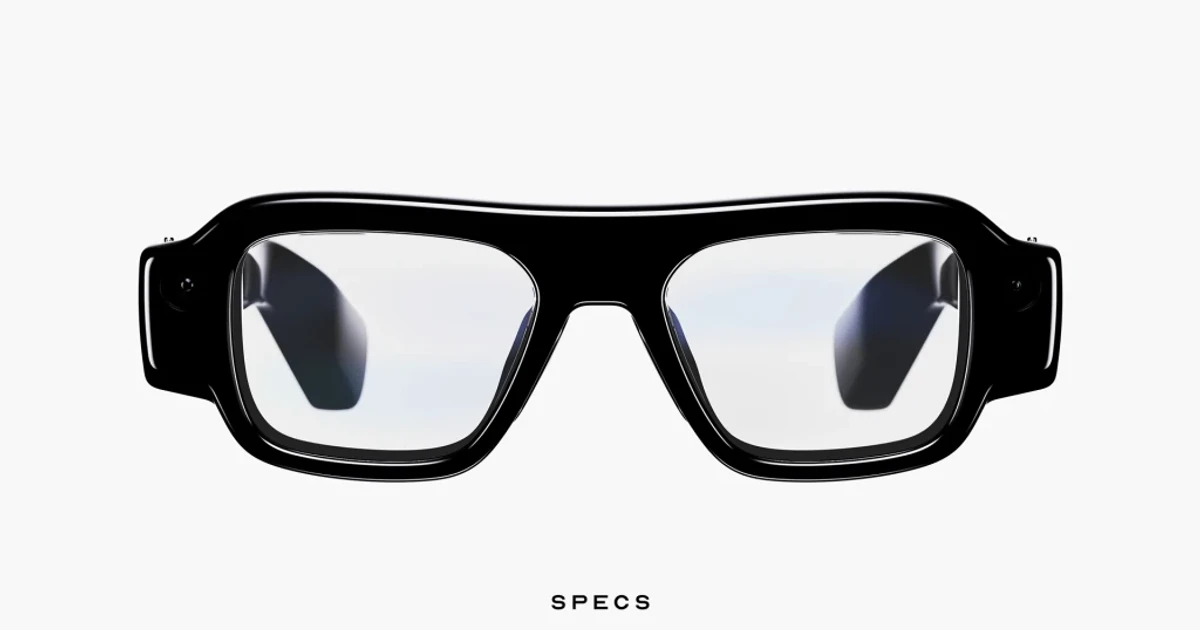
Snap finally put its augmented reality glasses in front of consumers again, and the pitch was unmistakable: after years of hype, Specs are here, but the leap from novelty to mass-market device still looks steep. The company opened preorders on June 16 at Augmented World Expo in Long Beach, California, framing the glasses as a new kind of standalone computer for the face, not another accessory chained to a phone.
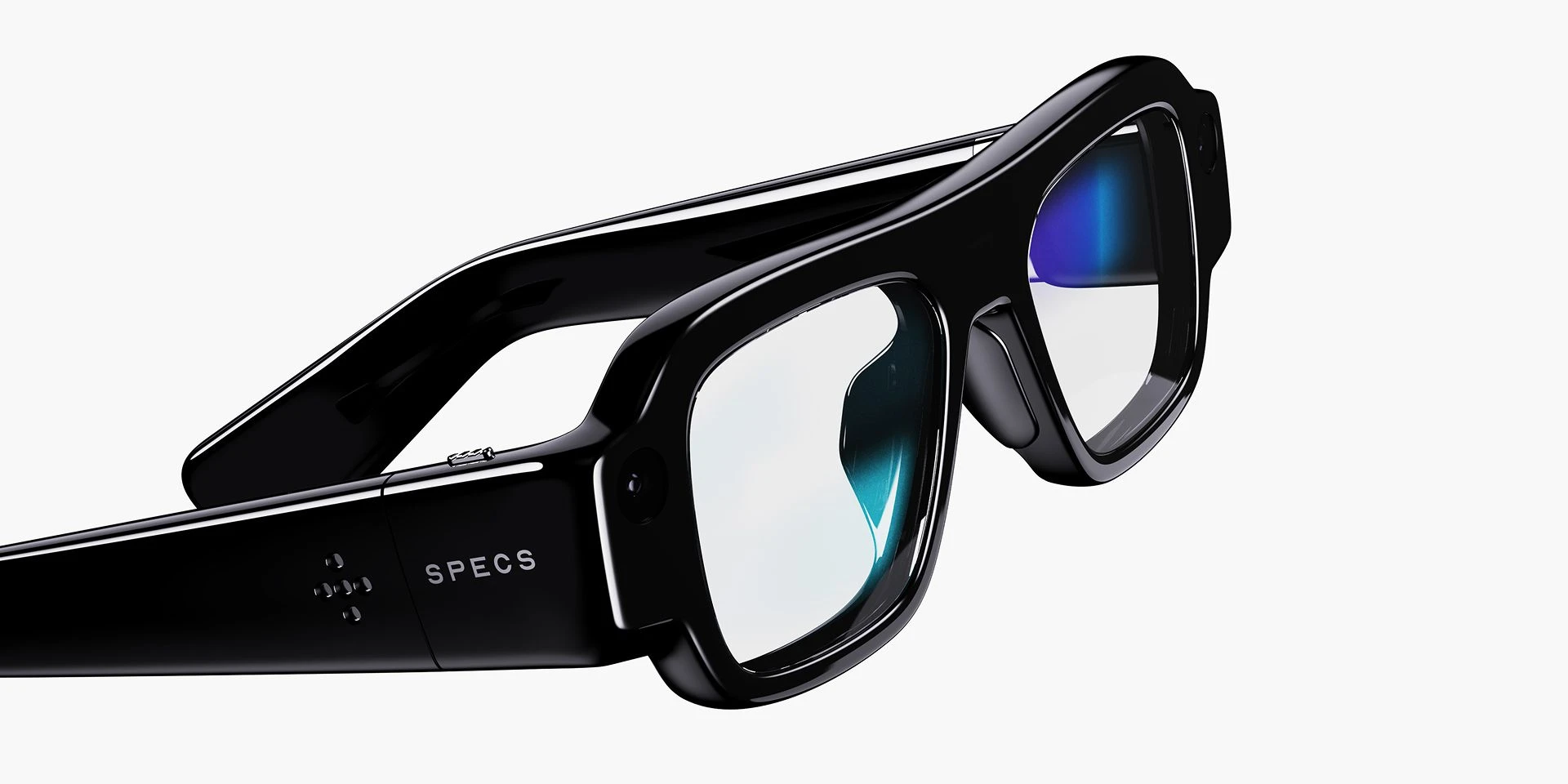
Snap said SPECS run without a puck or tether and come in two sizes, with the 47 mm model weighing 132 grams and the 52 mm model weighing 136 grams. The glasses use see-through lenses, a 51-degree field of view and 16 million colors. Snap said the device is built for AI assistance, work tools, entertainment and shared experiences, a broad brief that reflects how hard it remains to define a consumer use case for smart glasses that people will wear all day.
The launch is the result of a costly bet. Snap first said in June 2025 that it would bring lightweight, immersive Specs to market in 2026, and said it had spent 11 years and more than $3 billion developing the underlying AR technology. In January, Snap created Specs Inc. as a wholly owned subsidiary, saying the structure would give the product line more operational focus, partnership flexibility and clearer valuation. In April, Snap and Qualcomm Technologies, Inc. announced a multi-year strategic collaboration to power future generations of Specs with Snapdragon XR platforms.
Snap also leaned on its developer base to make the consumer case. The company said more than 400,000 developers had built more than 4 million Lenses, and that AR Lenses were used 8 billion times a day. It has been building toward this moment since its first Spectacles debuted in November 2016, when the camera-equipped glasses were sold from yellow Snapbot vending machines before moving online at about $130. Snap’s fifth-generation Spectacles for developers in 2024 helped pave the way for the new release.
Still, the broader market test remains unresolved. Meta’s Ray-Ban line has already set consumer expectations around price, features and privacy, and Snap’s return arrives in a category that has yet to break out of enthusiasts and developers. The company’s next challenge is not just to sell a headset-shaped ambition, but to make smart glasses feel necessary, affordable and ordinary enough to leave the early-adopter lane.
Sources
- [1]techcrunch.com
- [2]newsroom.snap.com
- [3]theverge.com