US News
Social Security trust fund depletion moves up to 2032, benefits at risk
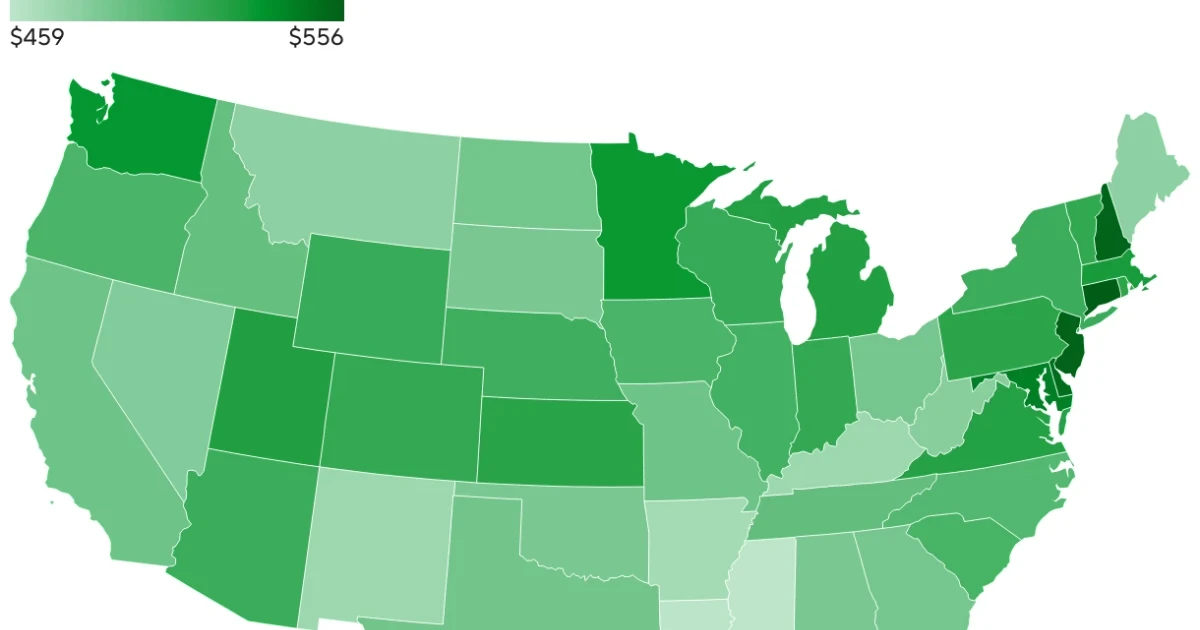
Social Security’s retirement trust fund is now projected to run dry in the fourth quarter of 2032, putting tens of millions of retirees and disabled Americans on a collision course with an automatic cut of about 22 percent in scheduled benefits. The program supports roughly 68 million people, and once reserves are gone, monthly checks would be reduced to match incoming payroll-tax revenue unless lawmakers change the law first.
The latest trustees update moved the depletion date up again from earlier projections and sharpened the stakes. In the 2026 Trustees Summary, the Old-Age and Survivors Insurance trust fund was projected to pay full benefits only through the fourth quarter of 2032, after which continuing income would cover about 78 percent of scheduled benefits. The separate Disability Insurance trust fund was projected to remain solvent through at least 2100.

That warning follows a string of deteriorating forecasts. In the Social Security trustees’ 2025 report, the combined Old-Age and Survivors Insurance and Disability Insurance funds were projected to be depleted in 2034, one year earlier than the prior year’s estimate, with payroll-tax income then covering about 81 percent of scheduled benefits. The same report projected the retirement trust fund alone would be able to pay full benefits until 2033 before falling to about 77 percent of scheduled benefits. The trustees said the 2025 report was affected by the Social Security Fairness Act, which increased costs by expanding benefits for some workers who also receive pensions from jobs not covered by Social Security.
The finances have been sliding for years. The trustees said Social Security’s cost has exceeded non-interest income since 2010, and total program cost has exceeded total income since 2021. Combined reserves fell by $67 billion in 2024 to $2.72 trillion, even as about 185 million workers paid payroll taxes and about 70 million beneficiaries were expected to receive benefits in 2025.
Advocacy groups are pressing Congress to stop delaying. AARP has warned that once the trust funds are exhausted, beneficiaries would receive only about 81 cents for every dollar scheduled under current law. The Committee for a Responsible Federal Budget said postponing action narrows lawmakers’ options and makes any eventual tax or benefit change more abrupt. For lawmakers in Washington, the math is no longer distant: every year of delay pushes the system closer to an across-the-board cut that would land directly in household budgets.
Sources
- [1]nytimes.com
- [2]ssa.gov
- [3]aarp.org
- [4]crfb.org
- [5]congress.gov