Science
Sodium-ion batteries move toward mass production as cheaper alternative
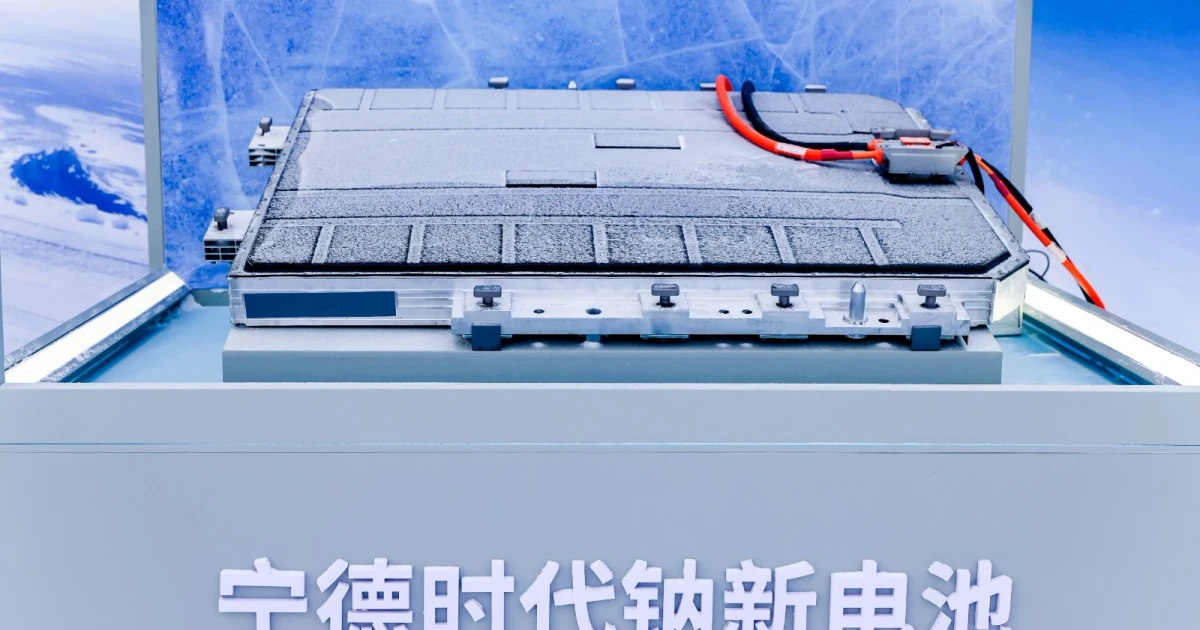
CATL said on April 21, 2025, that it had unveiled Naxtra, which it described as the world’s first mass-produced sodium-ion battery. The company said the cell reaches up to 175 Wh/kg and can deliver a pure-electric range above 400 km, putting a lower-cost chemistry into the same conversation as mainstream electric vehicles and stationary storage.
The appeal lies less in replacing lithium everywhere than in taking pressure off the parts of the market where range matters less than price, durability or safety. Sodium is abundant, and the International Energy Agency says that gives battery makers a way to diversify chemistries and supply chains as demand for electric vehicles and energy storage rises. That is the practical disruption now emerging: not a single battery winner, but a different battery for grid storage, shorter-range vehicles and other uses where cost and access can outweigh maximum energy density.
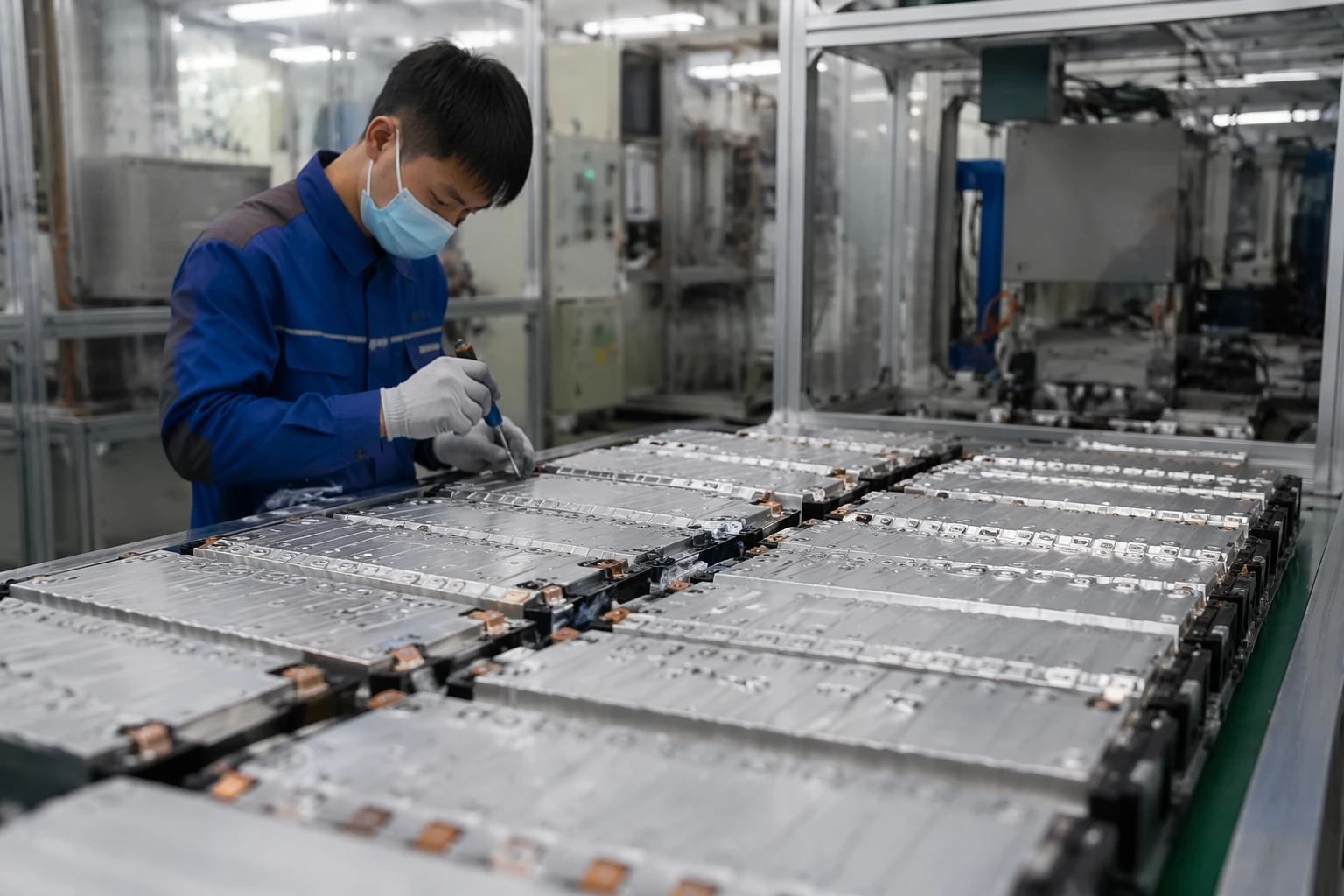
Researchers have been working on sodium-ion chemistry since the early 1980s, but the technology is only now moving from laboratory promise toward industrial relevance. A 2025 Nature Sustainability review called sodium-ion batteries promising for mobility and grid-level storage, while noting that lower energy density and other performance limits still constrain their use against lithium-ion. CATL has said projected sodium-ion ranges could reach 500 to 600 km as its supply chain matures, but that estimate also shows how much manufacturing scale and materials refinement still shape the market.
The geopolitical logic is part of the story. The IEA says battery supply chains remain geographically concentrated, a setup that leaves manufacturers exposed to mineral bottlenecks and price spikes. Its 2026 battery commentary says the largest producers can use sodium-ion expertise and production capacity to cut that exposure, a reminder that diversification is not just a technical choice but an industrial and economic one. For power systems under cost pressure, especially where importing critical minerals is expensive or risky, sodium-ion could become a useful hedge.
The first commercial moves have already exposed both promise and fragility. Natron Energy announced commercial-scale sodium-ion production in Holland, Michigan, in April 2024, aimed at telecom, data-center and industrial power applications. Natron had said in 2020 that its battery was the first sodium-ion system to meet UL 1973 safety requirements for energy storage systems. It also planned a $1.4 billion factory in North Carolina expected to create more than 1,000 jobs, before reporting in 2025 said the company later ceased operations and abandoned the project.
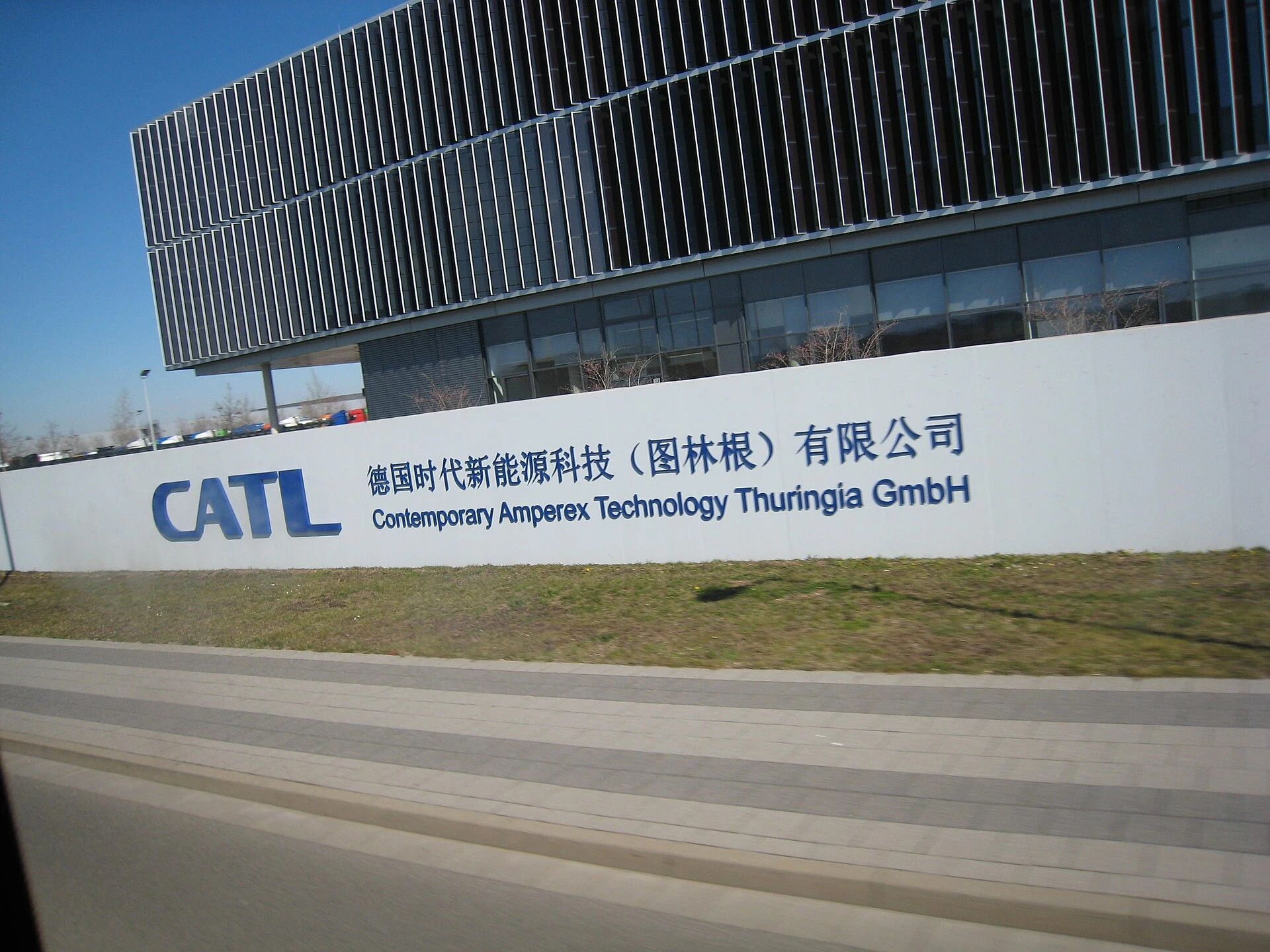
CATL said its Naxtra battery passed China’s GB 38031-2025 EV traction battery safety certification on September 5, 2025, and that the new national standard takes effect on July 1, 2026. That makes sodium-ion’s next test more concrete than any lab benchmark: whether the chemistry can scale safely, economically and at a pace that reaches the markets most constrained by cost and supply chains.
Sources
- [1]nature.com
- [2]iea.org
- [3]catl.com
- [4]businesswire.com