Technology
Sodium-ion battery breakthrough could offer cheaper alternative to lithium
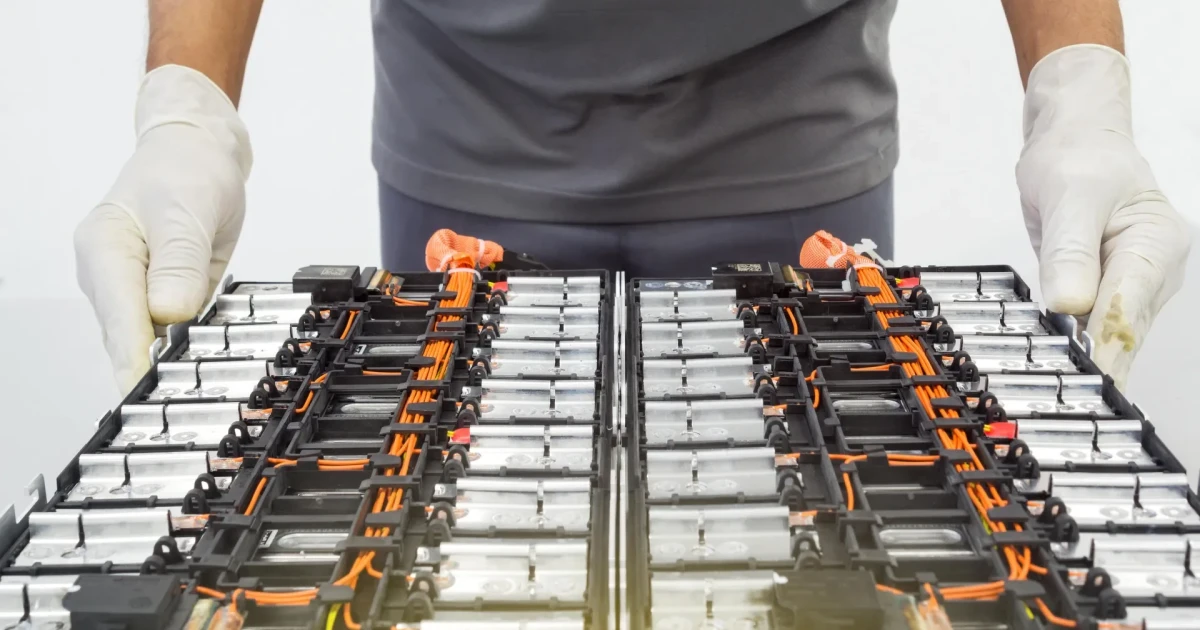
Sodium-ion batteries took a visible step closer to commercial relevance as researchers found that a widely used Hina cell in China delivered unusually strong uniformity and power performance while using a tabless, double-aluminum architecture that echoes key Tesla battery design choices. The result matters less as a laboratory curiosity than as a potential shift in the economics of storage: if sodium-based cells keep improving, the biggest early gains may come in grid storage and lower-cost energy systems, not an immediate replacement for lithium-ion EV packs.
The study, published in Cell Reports Physical Science on May 28, 2026, examined 120 commercial Hina sodium-ion cells with impedance spectroscopy, X-ray inspection, teardown analysis and current testing from minus 20 degrees Celsius to 45 degrees Celsius. The researchers, based at RWTH Aachen University, found that the cells showed production quality and consistency strong enough to draw comparisons with Tesla-style lithium-ion batteries, a notable signal for a technology still trying to prove it can scale beyond pilot projects.
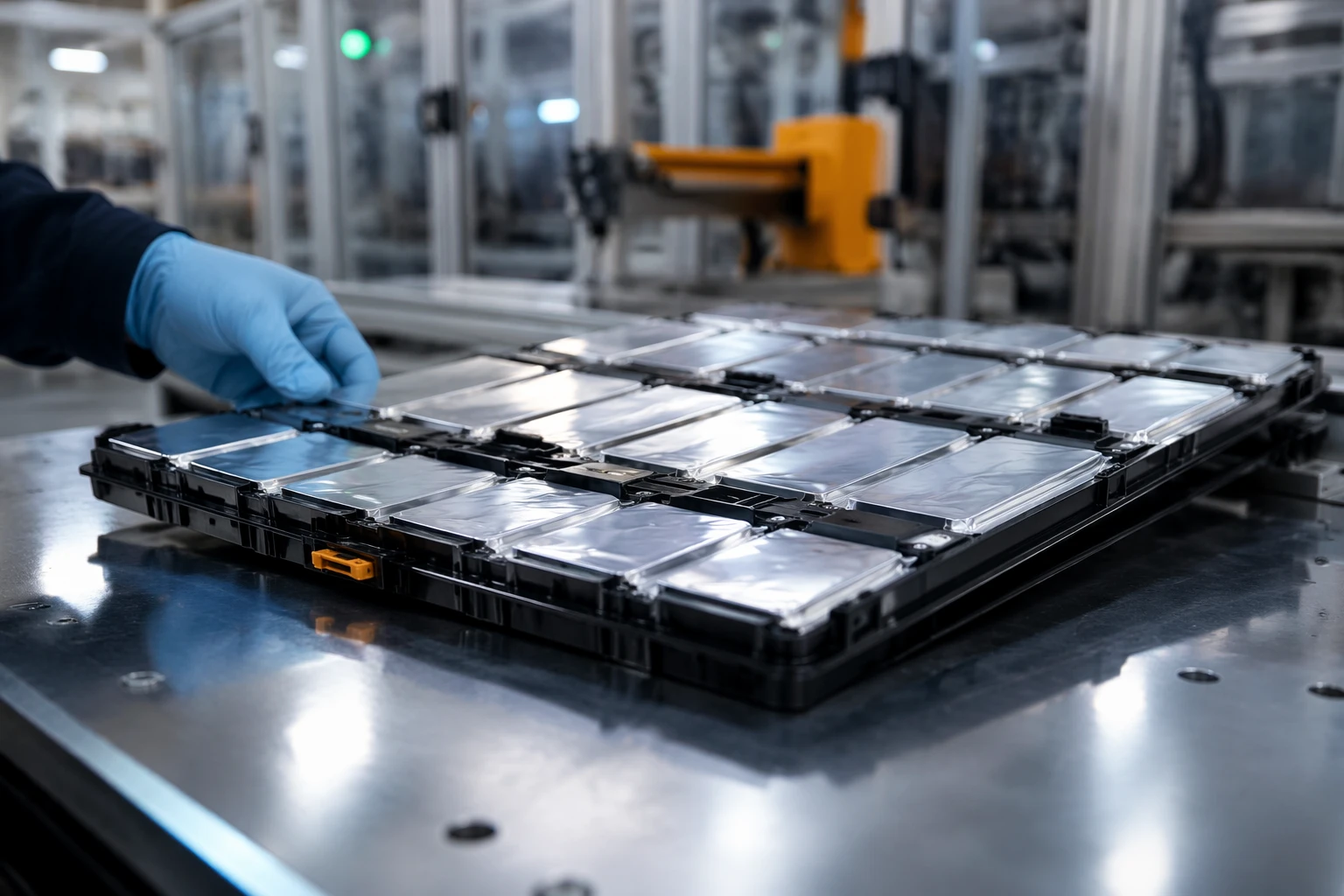
The same work also drew clear lines around the limits. The cells had lower energy density than top-tier lithium-ion batteries, and low-temperature charging remained weak, a problem that would matter for vehicles and outdoor storage systems in colder climates. The team also reported unexpectedly high, unevenly distributed copper in parts of the cathode, a detail that raises questions about aging, durability and how the chemistry will hold up under long service life. Those are the questions that matter to utilities, automakers and financiers deciding whether sodium-ion can move from promising to dependable.
HiNa Battery Technology Co., Ltd. said it supplied cells for the Datang Hubei 100 MW / 200 MWh sodium-ion storage project in Qianjiang, Hubei province. The first phase, 50 MW / 100 MWh, came online in June 2024. HiNa said the project can store 100,000 kWh, enough to meet the daily electricity needs of about 12,000 households, and described it as the world’s largest sodium-ion energy-storage system to date.
The company has spent years building that position. HiNa said it completed a 100 kWh sodium-ion demonstration in 2019, a 1 MWh system in 2021, and batch deliveries to China Southern Power Grid by the end of 2023. MIT Technology Review noted in January 2026 that sodium-ion batteries are already moving into cars and grid storage, with China leading the early commercialization push through companies including CATL, BYD and HiNa. The new findings suggest that China’s lead may no longer be confined to scale alone, but to a battery chemistry that could make the next phase of storage less dependent on lithium and more tied to whoever masters sodium first.
Sources
- [1]sciencedaily.com
- [2]eurekalert.org
- [3]cell.com
- [4]energy-storage.news
- [5]hinabattery.com
- [6]technologyreview.com