Lifestyle
Soft Life Trend Redefines Luxury for Women
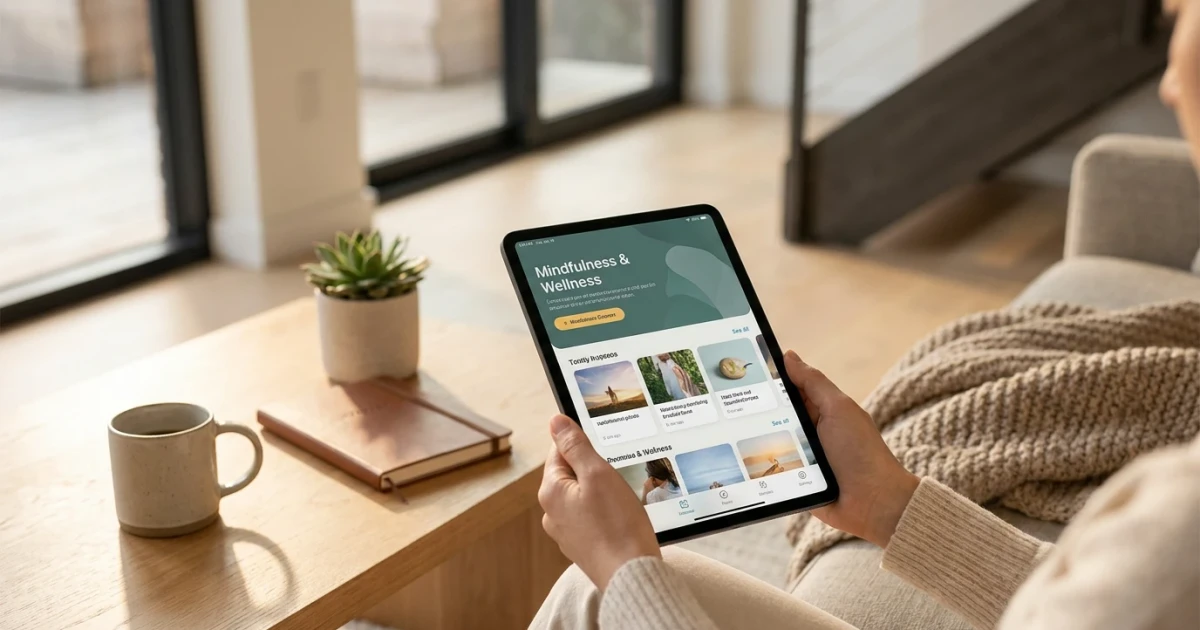
Luxury is undergoing a profound transformation as more women embrace the 'soft life'—a trend that prioritizes well-being, balance, and authentic personal joy over traditional displays of wealth. In 2026, this movement is challenging established notions of success and reshaping the global luxury market.
From Status Symbols to Personal Fulfillment
The 'soft life' trend has emerged as a cultural response to years of hustle culture and the pressure to equate luxury with material accumulation. According to recent analysis by McKinsey, today's luxury consumers—especially women—are seeking experiences, emotional well-being, and everyday comfort as new forms of status. This shift is evident in the growing popularity of wellness retreats, flexible work environments, and investments in health and leisure.
- McKinsey data shows that over 60% of female luxury consumers now prioritize self-care and work-life balance when defining a successful life.
- According to Statista's luxury market statistics, spending on experiences and health-related goods outpaces traditional luxury categories among women under 40.
- The Deloitte Global Powers of Luxury Goods report highlights a generational shift, with younger women redefining luxury as "living well on their own terms" rather than acquiring high-status items.
The Rise of Experiential Luxury
This redefinition is driving the growth of experiential luxury. Brands are adapting by offering services and products that support relaxation, emotional wellness, and personal growth. Spa memberships, mindfulness retreats, and home sanctuary goods are seeing strong demand among women who value comfort and self-expression over ostentation.
Style Rave notes that the 'soft life' movement is particularly influential among millennial and Gen Z women, who are "curating their own definitions of success rooted in peace, ease, and meaningful experiences."
Changing Definitions of Success
Surveys from the Pew Research Center reveal that women increasingly find meaning in relationships, personal growth, and well-being—values closely associated with the 'soft life.' Material wealth and career milestones, while still important, are less central to their sense of fulfillment than in previous generations.
The World Economic Forum’s Global Gender Gap Report further supports this shift, documenting how financial independence is now seen as a tool for life satisfaction and choice, not just a measure of success.
Market Impact and Industry Response
Luxury brands are taking note of these evolving preferences. Deloitte reports that companies investing in holistic well-being, ethical sourcing, and personalized experiences are outperforming those anchored to traditional luxury markers. According to Mintel’s luxury market research, women now drive the majority of growth in the wellness and experiential segments, signaling a lasting market realignment.
- Statista data reveals that women under 40 account for nearly 55% of sales in wellness-oriented luxury goods in 2025–2026.
- McKinsey analysis underscores that "authenticity and emotional connection" are the most important factors for younger female consumers choosing a luxury brand.
Looking Ahead
As the 'soft life' continues to shape definitions of luxury and success, the industry is likely to see even greater innovation in products and services that align with women's evolving values. The shift toward well-being, comfort, and self-defined success is not only altering the luxury market—it is also influencing broader cultural discussions about what it means to live a fulfilled life.