Business
SoftBank's Son says AI will need $5 trillion yearly by 2040
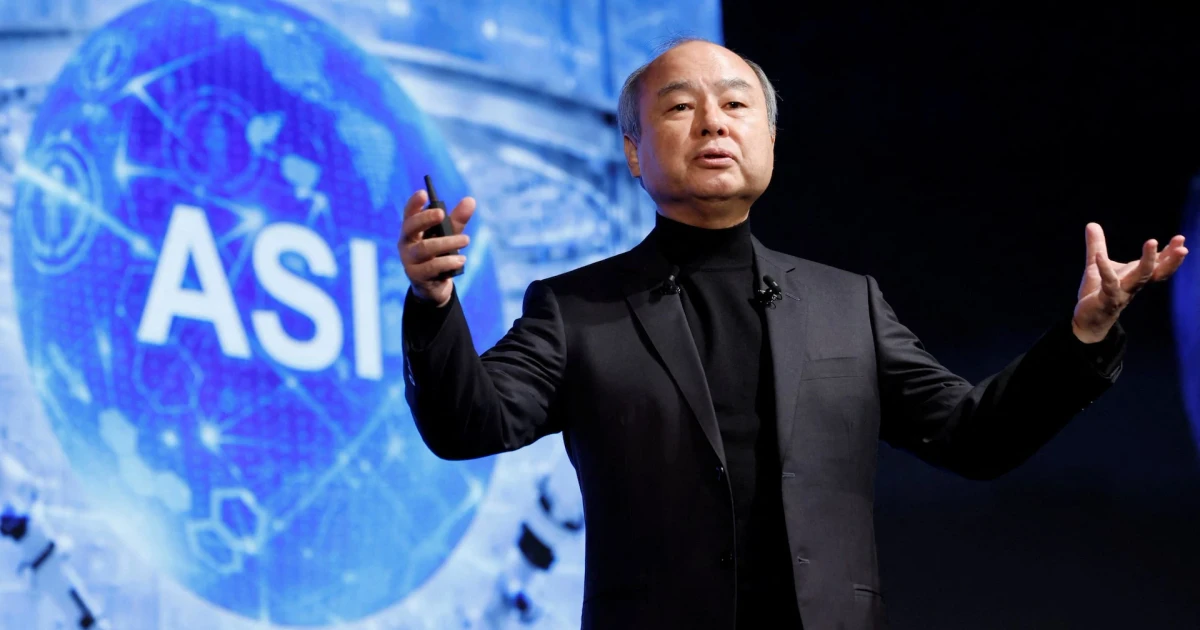
Masayoshi Son said artificial intelligence will need about $5 trillion a year in investment by 2040, a figure that pushes the debate over AI far beyond software and into the realm of power grids, chips and data centers. Speaking in Tokyo at SoftBank’s annual corporate conference on July 14, the SoftBank Group chief brushed aside bubble concerns as “absurd” and argued that the industry is still at the start of a long infrastructure buildout.
Son tried to put the number in macroeconomic terms. If AI ultimately accounts for 20% of global GDP, he said, then spending 800 trillion yen a year would be a “rounding error.” He did not spell out how he reached the $5 trillion estimate, but he framed it as the natural endpoint of a transition in which AI becomes embedded across global industry rather than remaining a narrow software market.
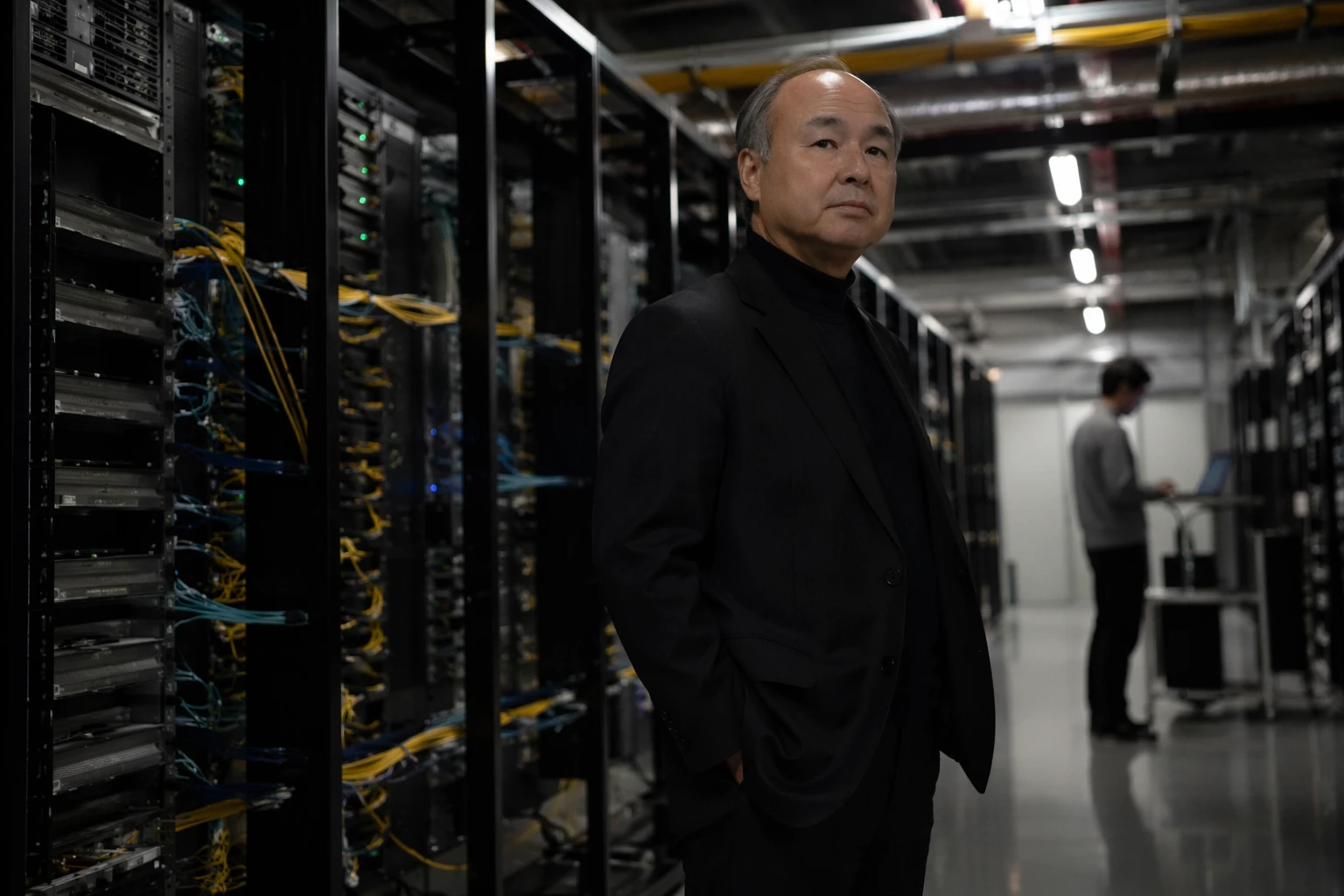
The scale of that claim is striking against SoftBank’s own checkbook. Over the past two years, the company has positioned itself as a core AI platform investor, with tens of billions of dollars flowing into OpenAI, robotics firms and data-center capacity. Son’s biggest current bet is OpenAI, and SoftBank’s cumulative investment in the ChatGPT maker is set to exceed $60 billion before the end of 2026.
The financing challenge is not just capital. Son said AI data centers would need 3 terawatts of power by 2040, a level that implies a vast expansion in electricity generation and transmission. He said gas would initially supply that demand before fusion becomes the main energy source, a timeline that underlines how far the industry’s physical requirements extend beyond today’s buildout.

The pitch fits Son’s long record as one of technology’s most forceful conviction investors. He helped back Alibaba early and also suffered one of the sector’s most visible misfires with WeWork. Now he is casting AI less as a speculative mania than as a new industrial era, one that demands sustained spending on compute, chips and power generation before it can deliver the profits investors are hoping for.