Politics
Sonam Wangchuk's hunger strike intensifies pressure on India education reforms
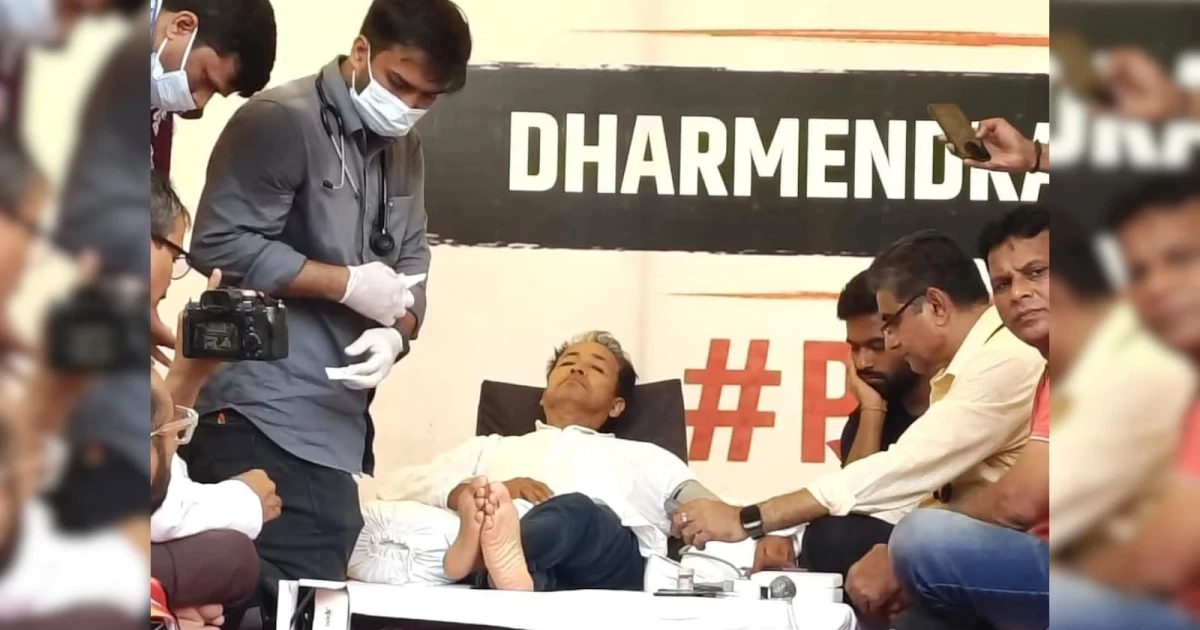
Sonam Wangchuk had spent 19 days on hunger strike at Jantar Mantar by July 16, losing more than 9 kilograms as the Delhi High Court ordered daily medical monitoring of his health. The 59-year-old engineer, education reformer and climate activist from Ladakh has become the most recognisable face of a youth-driven protest that began online and moved into the streets.
The sit-in that drew him in started on June 20, when the Cockroach Janata Party set up camp at Jantar Mantar in New Delhi. Wangchuk joined the hunger strike on June 28, with six members of the All India Students’ Association, adding a veteran campaigner to a movement driven largely by students and younger protesters.
The demands are focused and specific: the resignation of Union Education Minister Dharmendra Pradhan, accountability for alleged examination irregularities, and changes to India’s exam system. The NEET-UG paper leak controversy sits at the center of the campaign, which has broadened into a wider challenge to the country’s test and recruitment process.
By July 14, Wangchuk had already been fasting for 17 days and had lost more than 8 kilograms. Two days later, reports said he had crossed the 9-kilogram mark, and doctors warned that prolonged fasting could begin affecting his organs. The Delhi High Court told the Centre to ensure daily clinical monitoring and medical assistance when needed, a rare judicial intervention that reflected the growing concern around his condition.
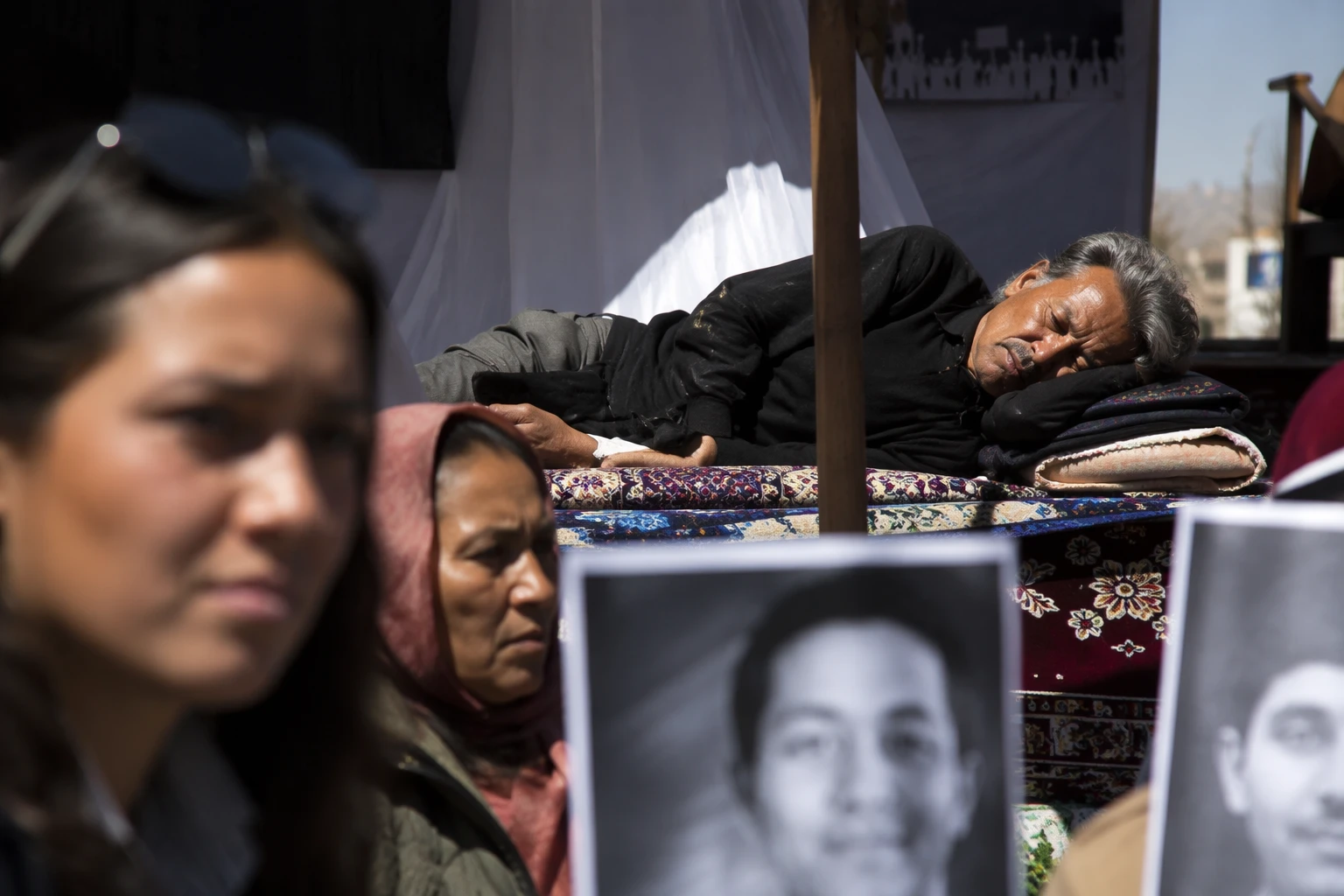
The protest has drawn backing from student unions, opposition leaders and some public figures, turning it into a broader test of how far cross-generational activism can travel. Among those urging Wangchuk to end the fast because of the health risks were Akhilesh Yadav and Uddhav Thackeray, even as Wangchuk maintained that he would not break the strike unless the government responded.
That mix of a senior activist and Gen Z protesters has given the campaign unusual reach. Some commentators have compared it with Anna Hazare’s 2011 anti-corruption fast, another moment when street protest sought to force institutional change through sustained public pressure.
Sources
- [1]nytimes.com
- [2]thehindu.com
- [3]indianexpress.com
- [4]reuters.com
- [5]business-standard.com
- [6]newindianexpress.com