Science
Sonic Booms Offer Breakthrough Method to Track Falling Space Junk
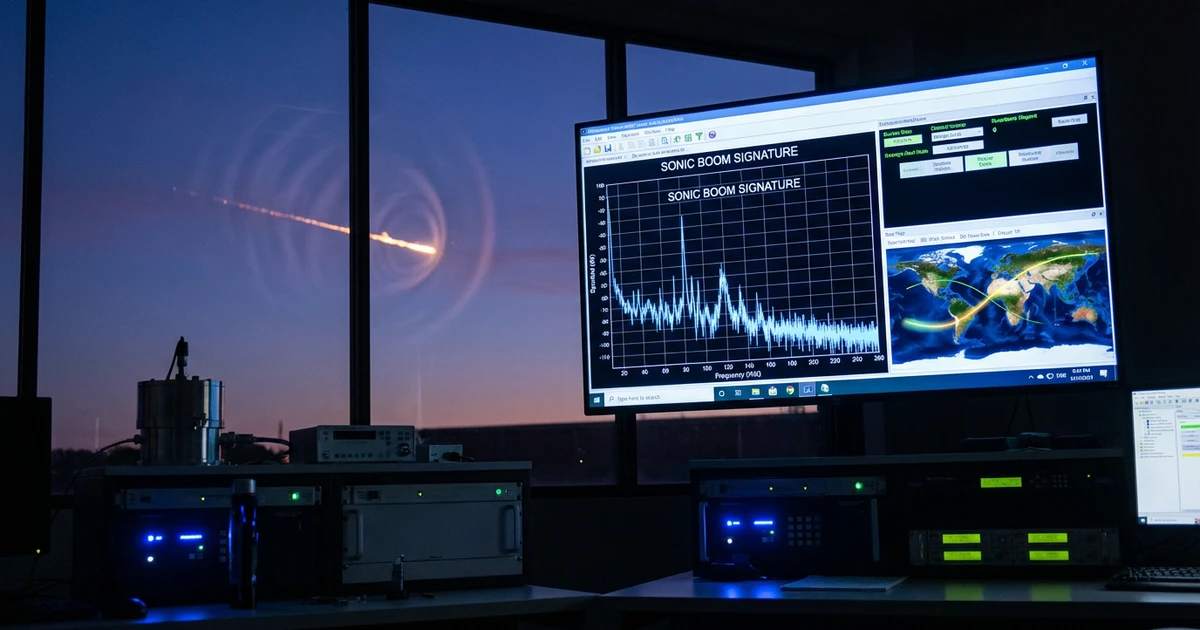
Space junk reentering Earth’s atmosphere is an increasing concern, but a new approach involving sonic booms could help scientists track where debris lands with far greater accuracy. This method harnesses the seismic and acoustic signals generated as objects hurtle through the sky, offering a promising tool for both safety and research.
Understanding the Sonic Boom Method
When large pieces of space debris reenter Earth’s atmosphere, they often break the sound barrier, creating distinctive sonic booms. These booms can be detected by seismic stations and specialized microphones, which are typically used to monitor earthquakes or atmospheric phenomena. By analyzing the timing and strength of these signals, scientists can triangulate the likely impact locations of falling debris, improving response efforts and hazard assessments.
Why Tracking Space Junk Matters
- More than 27,000 pieces of space debris are currently tracked by the U.S. Department of Defense’s global Space Surveillance Network, but many smaller objects go unmonitored.
- Uncontrolled reentries—like those from defunct satellites or rocket stages—pose risks to populated areas, aviation, and infrastructure.
- Traditional tracking methods struggle to predict exact landing spots, especially for smaller fragments that survive atmospheric burn-up.
Sonic Booms and Seismic Waves: The Science Explained
When space junk falls, it travels at supersonic speeds, generating shock waves that manifest as sonic booms. These waves can also trigger ground vibrations, or seismic waves, detectable by sensitive instruments. By correlating data from multiple seismic and infrasound stations, researchers can pinpoint the debris's trajectory and impact site, even if it lands in remote or oceanic areas.
Potential Impact and Future Applications
This innovative tracking method offers several advantages:
- Enhanced detection of smaller debris pieces that may not show up on radar or visual tracking systems
- Faster response times for recovery teams and emergency services
- Improved public safety by providing accurate impact forecasts
As the number of satellites and space launches increases, so does the risk of uncontrolled reentries. Techniques like sonic boom tracking could become essential for managing space debris and protecting communities worldwide.
Challenges and Next Steps
While promising, the technique is still being refined. Accurately interpreting sonic and seismic data requires dense sensor networks and advanced algorithms to distinguish space debris from other sources of atmospheric noise. Ongoing collaboration between space agencies, universities, and seismic monitoring organizations will be crucial to fully realize this technology’s potential.
For more information on space debris and monitoring efforts, visit the NASA Orbital Debris Program Office.
Conclusion
The use of sonic booms and seismic waves to track falling space junk represents a significant step forward in planetary safety and space situational awareness. As research continues, this approach could become a cornerstone in the global effort to manage the growing challenge of orbital debris.
Sources
- [1]CNN