US News
Sons learn of ICE killing in Houston through viral video
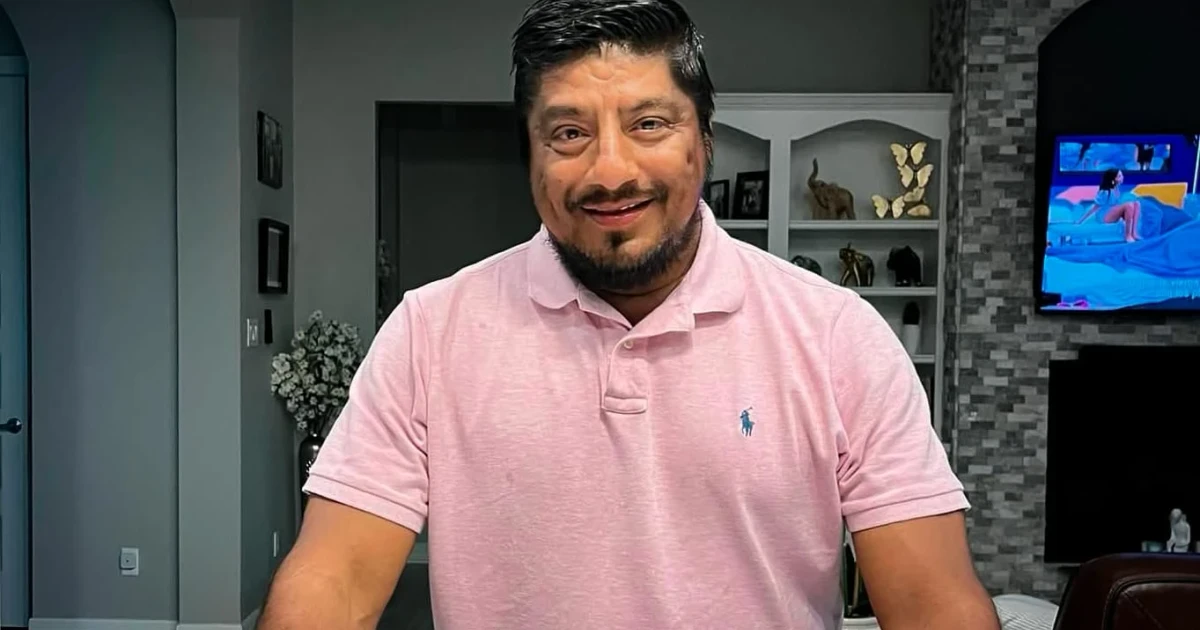
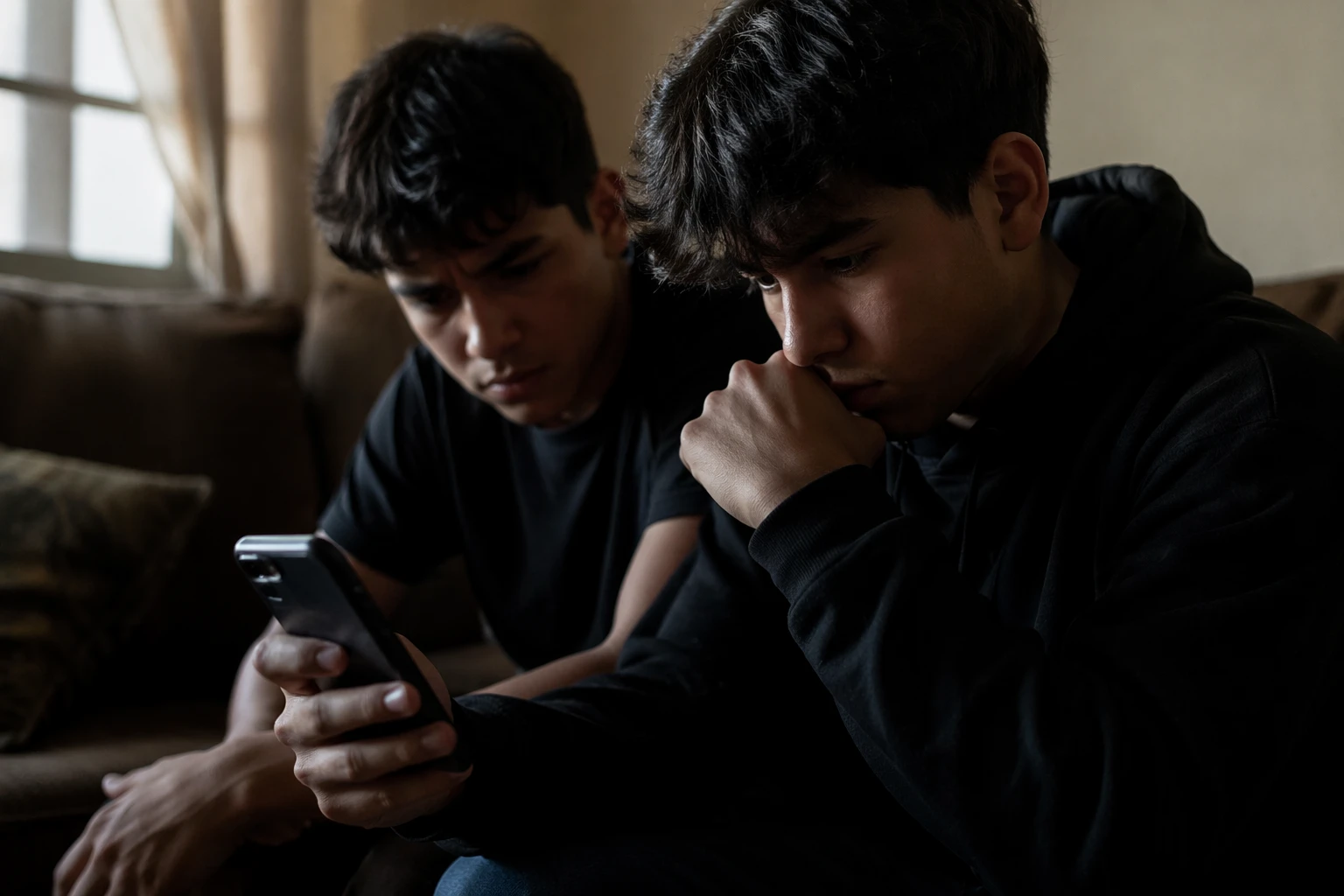
Lorenzo Salgado Araujo’s sons said they learned he had been shot and killed by an ICE agent in Houston from a video posted online, not from any formal notification. The 52-year-old Mexican immigrant died during a traffic stop on July 7 in the East End of Houston after living in the United States for 35 years.
His family said the loss was especially crushing because Salgado Araujo had spent decades working to send all three of his American citizen sons to college. Lorenzo Jr. Salgado said the discovery came through video and news reports, while Ronaldo Salgado said, "It was a blur, really, that morning, because I really thought that he would be okay." Ronaldo Salgado also said he felt "a lot of guilt" and wished he had arrived earlier.
ICE said agents were looking for a different person when the stop happened. The agency also alleged that Salgado Araujo "weaponized" his van during the encounter, an account his family disputes. CBS News reported that the agents were not wearing body cameras, a detail that has intensified questions about how deadly-force incidents inside immigration enforcement are documented and reviewed.
The case has become a test of transparency well beyond one Houston street. Harris County District Attorney Sean Teare is investigating the killing, and his office is trying to secure visas for witnesses so they can remain in the country while the case is reviewed. Texas lawmakers have also demanded a halt to the use of unmarked cars in ICE operations, adding pressure on federal authorities to explain how the stop unfolded and why there was no body-camera record from the agents involved.

Public anger has surged in Houston since the shooting. More than 1,000 protesters marched near the scene on July 8, calling for accountability and an independent investigation after the family said it first learned of Salgado Araujo’s death through a viral video. The demand now extends beyond one case: local officials and immigration advocates are pressing for clearer notification protocols, body-camera use, and outside oversight when federal agents use deadly force.
Sources
- [1]cbsnews.com
- [2]reuters.com
- [3]bbc.com