Technology
Sony and TSMC plan $6.3 billion joint image sensor investment

Sony Group and Taiwan Semiconductor Manufacturing Co. planned to spend around 1 trillion yen, or $6.32 billion, to jointly make next-generation microchips used in image sensors. The project centered on an advanced image-sensor plant in Kumamoto, Japan, and marked a deeper tie between two companies at the heart of the global electronics supply chain.
Sony Semiconductor Solutions and TSMC said on May 8, 2026, that they had entered a preliminary agreement for a next-generation image sensor strategic partnership. Sony Semiconductor Solutions later said the companies agreed to establish a joint venture for next-generation image sensors, and TSMC issued the same announcement from Hsinchu, Taiwan, R.O.C., that day. Under the plan, Sony was expected to be the majority and controlling shareholder in the venture.
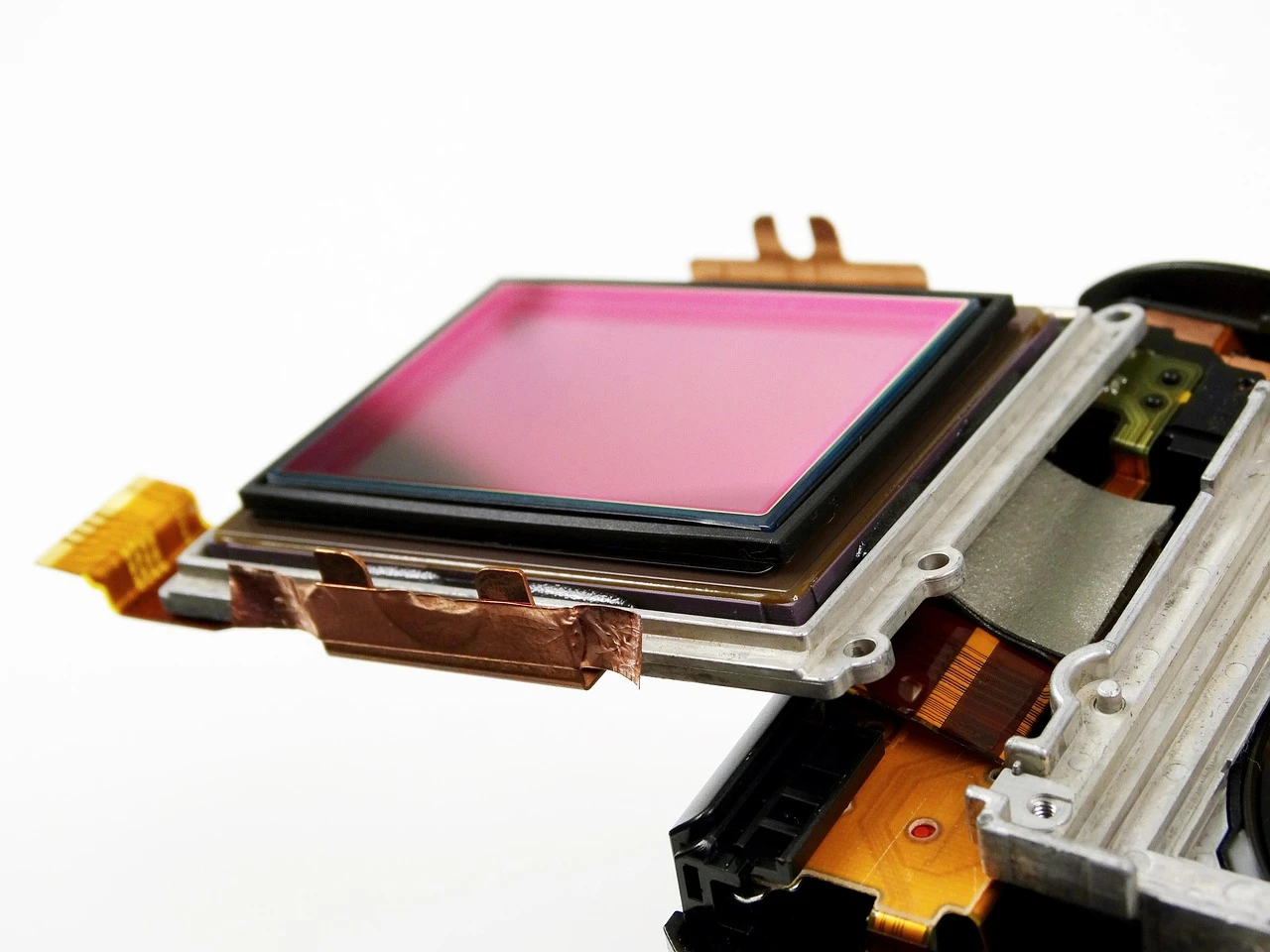
The scale of the investment reflects the importance of image sensors far beyond smartphone cameras. Nikkei Asia described Sony as the world leader in image sensors for smartphones, and the proposed partnership was aimed at next-generation CMOS image sensors. Those parts are used in smartphones, automotive systems, industrial devices and a widening range of AI-enabled products, including robotics and autonomous vehicles. As machines rely more on visual input to navigate and interpret the world, sensors have become a critical piece of the hardware stack.
The deal also fit a broader effort to harden semiconductor supply chains. Japan has been pushing to rebuild advanced manufacturing capacity, while Taiwan remains central to chip production and exposed to security risks tied to tensions with China. A joint investment in Kumamoto would help spread production risk, secure access to a key component and strengthen Sony’s and TSMC’s positions in high-value manufacturing.
Nikkei Asia said the partnership also supported TSMC’s push into physical AI, a field that depends on chips and sensors working together in real-world devices. For both companies, the commitment signaled confidence that demand for image sensors will remain durable even as the wider electronics market stays volatile.
Sources
- [1]reuters.com
- [2]sony-semicon.com
- [3]pr.tsmc.com
- [4]asia.nikkei.com
- [5]stocktitan.net