Technology
Sony's Bravia 9 II promises brighter, more colorful home viewing

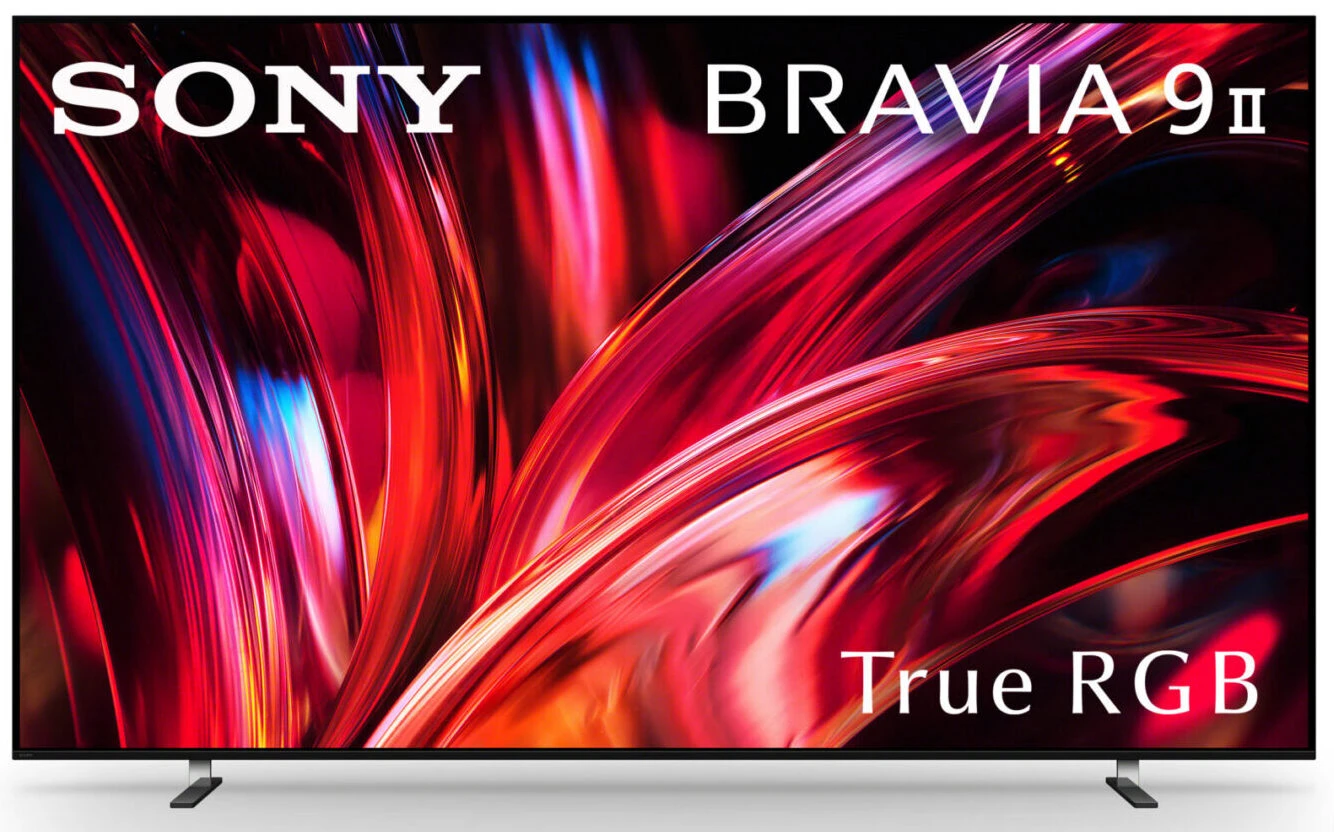
Sony officially announced its 2026 BRAVIA lineup on May 27, led by the BRAVIA 9 Mark II and BRAVIA 7 Mark II, and put a $3,599.99 U.S. price on the 65-inch Bravia 9 II. The flagship is built around Sony’s new True RGB LED backlight, a system the company says uses independently controlled red, green and blue LEDs to push more color and brightness than its earlier premium sets.
That matters because Sony is positioning the Bravia 9 II as a direct answer to two different premium-TV tradeoffs. OLED still wins praise for black levels and color purity, while mini-LED remains the bright-room option for buyers who want punchier highlights and less glare risk. Sony’s launch materials try to bridge that divide, saying the Bravia 9 II combines True RGB with the truest color of QD-OLED and the brightness of mini-LED. Sony also says the new lineup achieves the largest color volume in its home TV history and is designed for accurate color reproduction in bright living spaces.
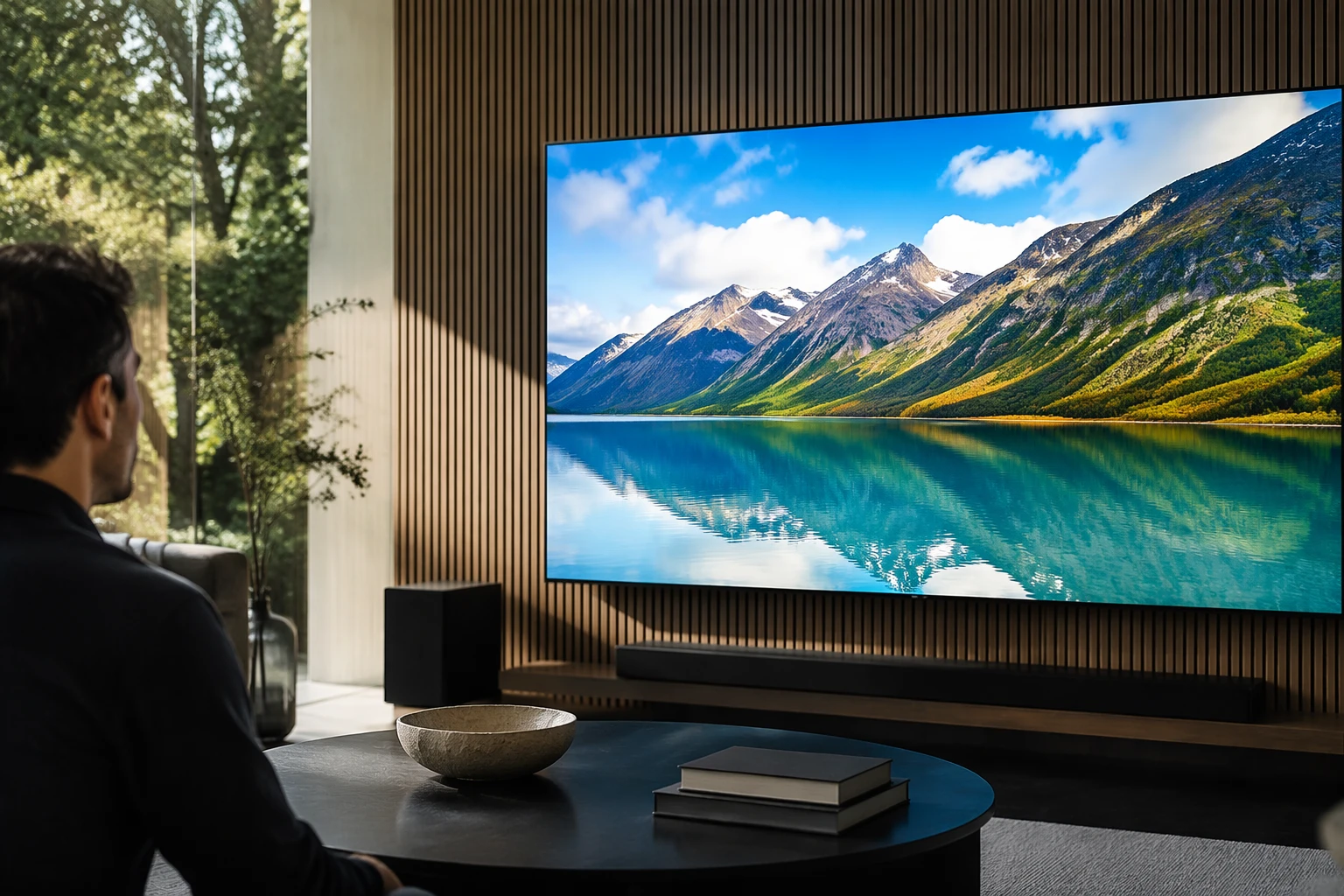
The pricing and sizing make clear where this set sits in the market. The Bravia 9 II comes in 65-, 75-, 85- and 115-inch versions, which puts it squarely in flagship territory even before installation costs and accessories. At $3,599.99 for the 65-inch model, it is aimed at buyers who treat picture quality as a primary purchase criterion and who are willing to pay for the last few percentage points of performance. That is a very different customer from the mainstream shopper comparing midrange panels on sale prices.
Early hands-on coverage sharpened the question of whether the gains are large enough to justify that premium. HDTVTest said it compared the Bravia 9 Mark II directly with Sony’s professional BVM-HX3110 mastering monitor in Tokyo, a high bar that underlines how aggressively Sony is marketing the set’s color accuracy. Brian Tong’s June 2026 review went further, saying the TV made him question his long-held belief that OLED is the only way. Those reactions suggest Sony has built a panel that can impress even people steeped in premium displays.
For most households, the Bravia 9 II will still be more aspiration than necessity. The picture gains Sony is promising are real only if a buyer has the room, the budget and the viewing conditions to take advantage of them. For affluent shoppers with bright living rooms, the set looks like a serious alternative to OLED. For everyone else, Sony’s brightest and most colorful TV remains a luxury answer to a problem many people will never need to solve.