Business
South Africa economy grows 0.5% in Q1, beats forecasts
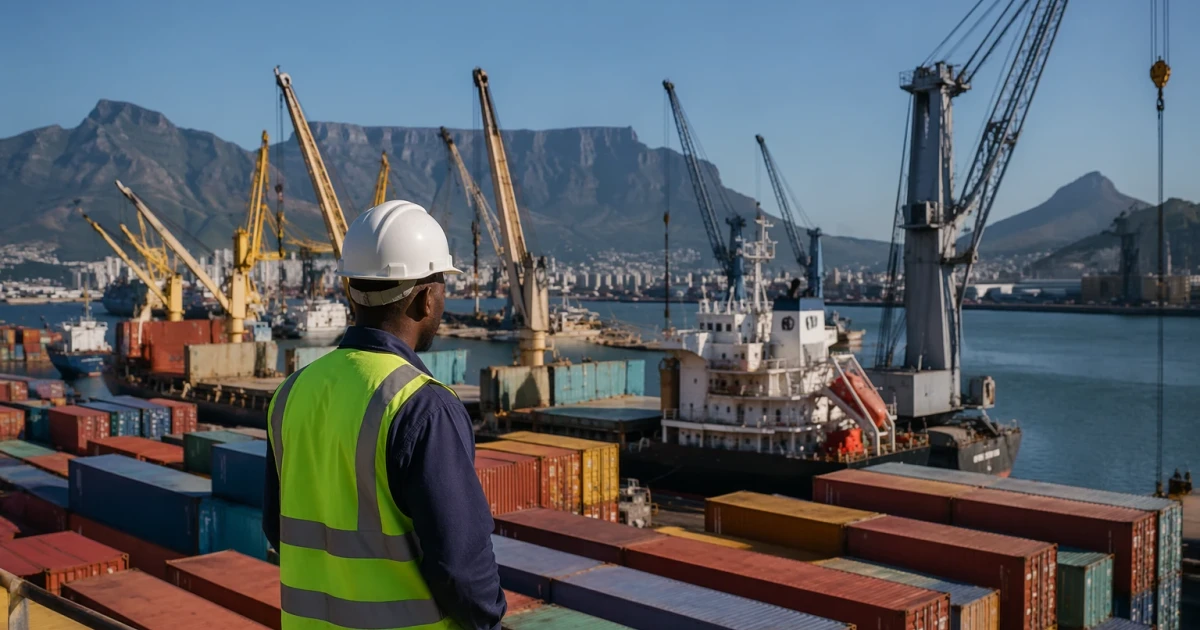
South Africa’s economy eked out 0.5% quarter-on-quarter growth in the first three months of 2026, a modest upside surprise that kept the expansion streak alive but did little to hide how narrow the recovery remained. Gross domestic product also rose 1.9% from a year earlier, yet the latest numbers showed an economy leaning heavily on services, logistics and a softer import bill rather than a broad industrial upswing.
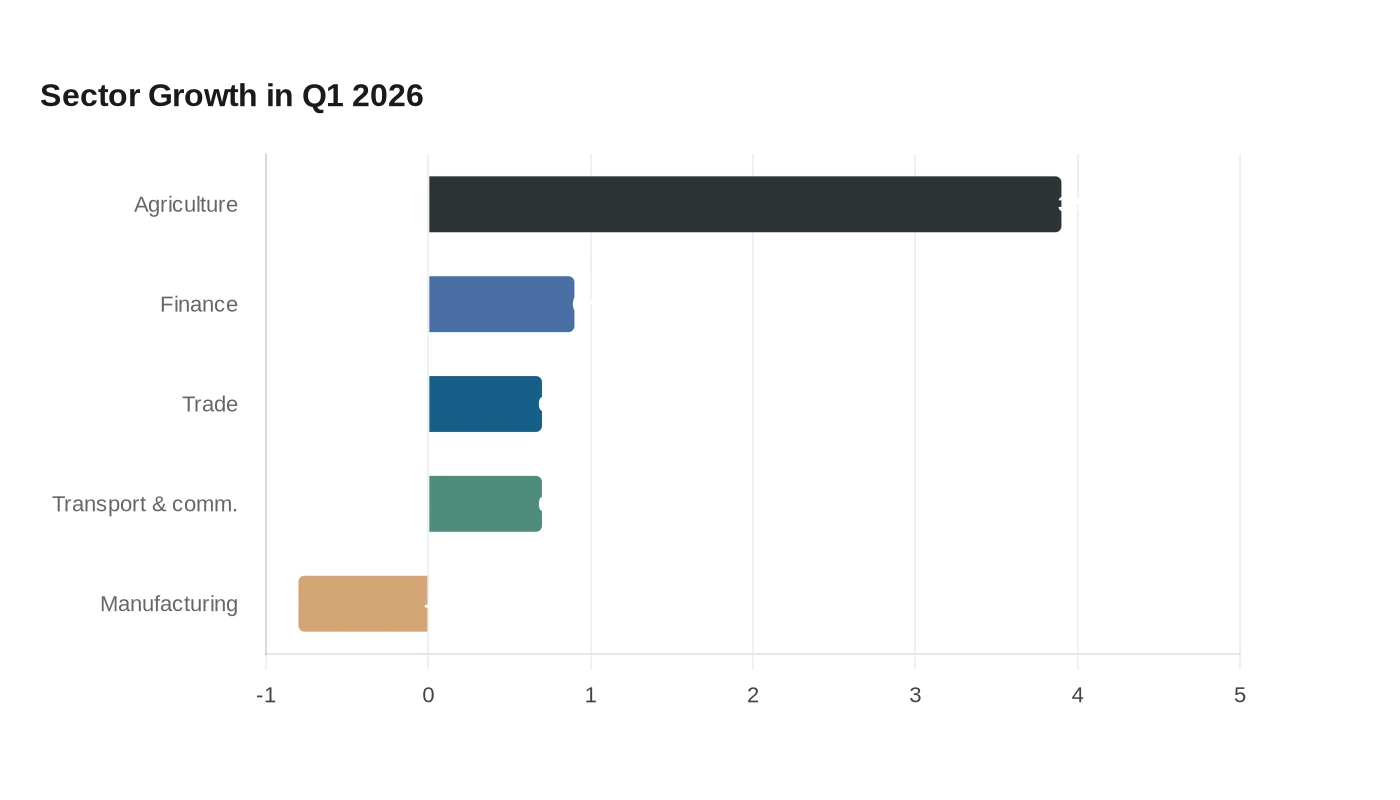
Nine of the 10 industries tracked by Statistics South Africa expanded in the quarter, with finance the biggest contributor. The finance, real estate and business services category grew 0.9% and added 0.2 percentage points to overall GDP. Agriculture rose 3.9%, while trade and transport and communication both increased 0.7%. Manufacturing was the only major sector to contract, falling 0.8%, a reminder that the industrial base is still uneven and vulnerable even when the headline growth rate improves.
The expenditure side of the economy was helped by weaker imports, higher household consumption, higher government consumption and exports. But household demand remained sluggish: household final consumption expenditure rose just 0.1%, the slowest pace in eight quarters, and contributed only 0.1 percentage point to growth. Fixed investment also declined after two straight quarters of expansion, signaling that private-sector caution has not eased even as the overall economy continued to grow for a sixth consecutive quarter.
The quarterly gain beat the 0.3% expansion economists had expected and improved on the 0.4% increase recorded in the final quarter of 2025. That makes the first-quarter figure a welcome sign, but only a limited one. The mix of growth suggests South Africa is still relying more on resilient services and trade than on stronger household demand, heavy industry or capital spending, the ingredients that would be needed for a more durable rebound.
The bigger test now lies ahead. The data did not yet fully reflect the fallout from the Iran war, and that leaves second-quarter growth exposed to higher energy prices, trade disruptions and weaker confidence. For South Africa, one better-than-expected GDP print is not the same as a stronger growth story. It is a fragile bright spot in an economy that still faces deep structural constraints.
Sources
- [1]zawya.com
- [2]statssa.gov.za
- [3]gov.za
- [4]sanews.gov.za
- [5]iol.co.za
- [6]news24.com
- [7]bloomberg.com
- [8]tradingeconomics.com