World
South Africa rejects anti-migrant 30 June deadline amid xenophobic violence
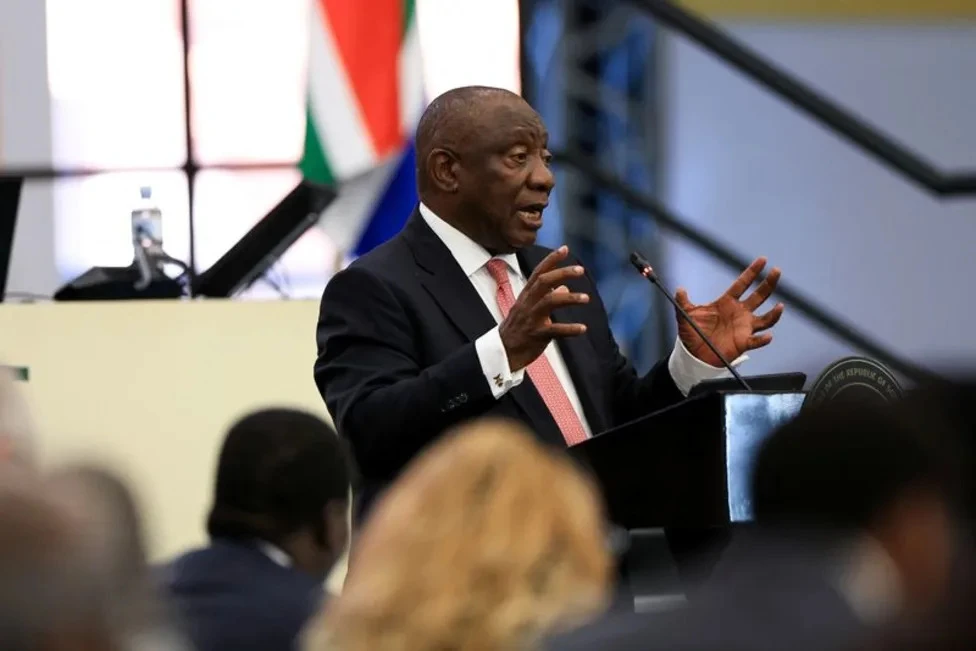
Anti-immigration groups have tried to turn 30 June into a deadline for undocumented migrants to leave South Africa, but the government has rejected the ultimatum and cast it as a challenge to the rule of law. President Cyril Ramaphosa dismissed the date at Youth Day commemorations in Soweto on 16 June, while Justice and Constitutional Development Minister Mmamoloko Kubayi said migration is a global phenomenon and that enforcement belongs to the state, not private citizens.
The confrontation has exposed how quickly fear can harden into vigilantism. March and March and Operation Dudula have pushed the deadline, even as officials insist there is no lawful basis for private groups to order people out of the country. South African authorities have said undocumented migrants will be handled through verification, arrest and deportation where applicable, not through street-level ultimatums.
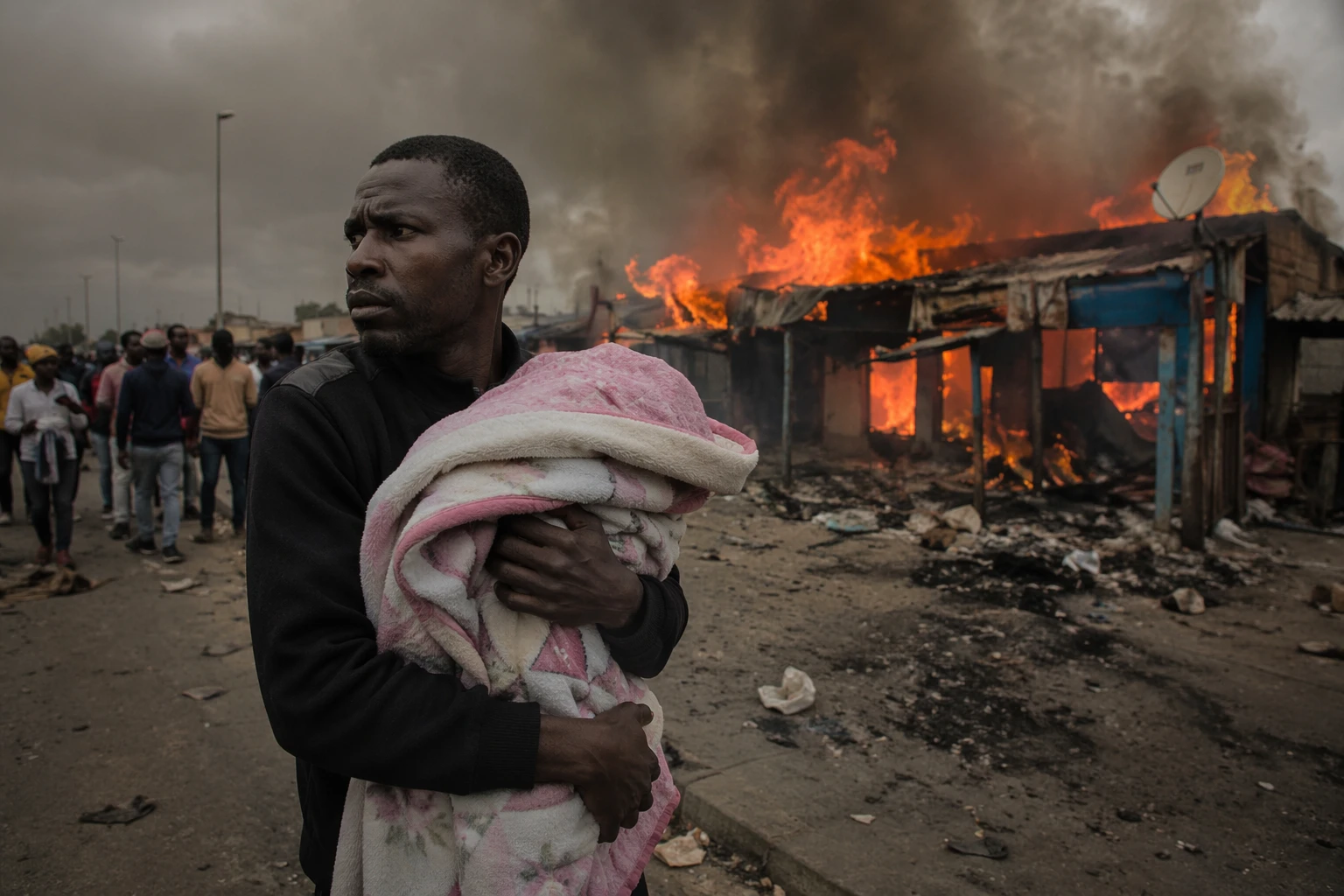
The stakes are already visible in communities under pressure. Human Rights Watch said vigilantes carried out violent xenophobic attacks in April and May 2026 against African and Asian foreign nationals, with little or insufficient response from authorities. The group said South Africa has faced intermittent xenophobic violence since 2008, including a deadly wave that killed 62 people that year. It also pointed to unemployment above 43 percent and the rise of anti-immigrant activism since 2024 as part of the backdrop.
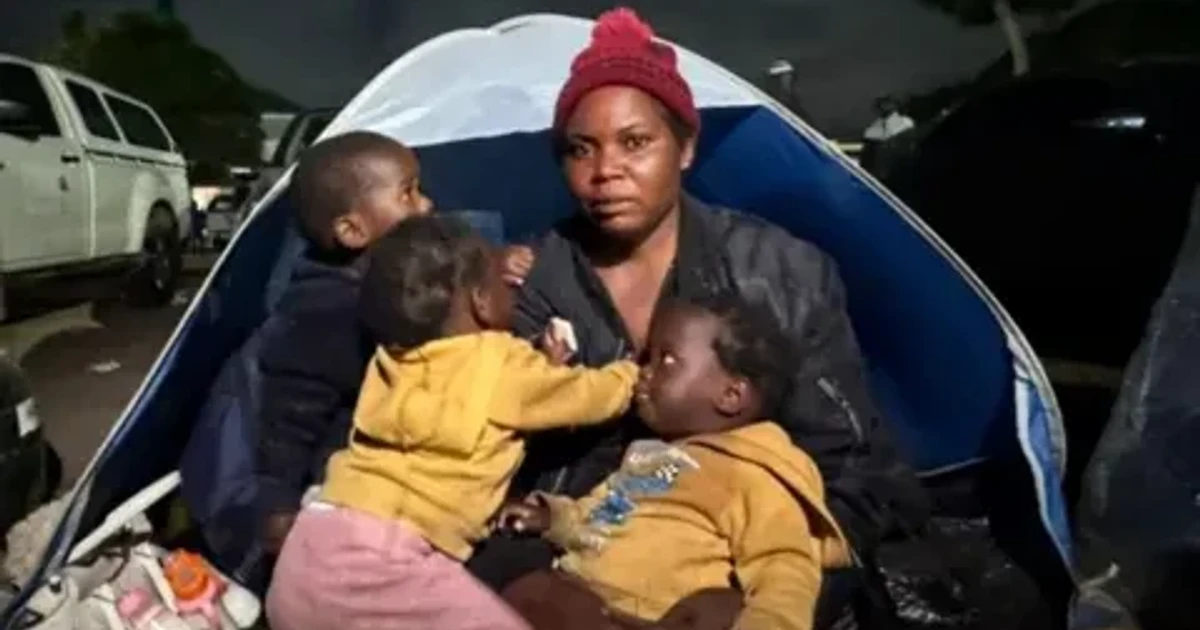
Displacement has followed the intimidation. On 12 June, SABC News reported that about 2,500 Malawian nationals were seeking refuge at Sherwood Hall in Durban, many saying they feared the 30 June deadline. The scene in KwaZulu-Natal underscored how rumors and threats can move people long before any formal state action does.
The panic has also been fed by misinformation. AFP fact-checkers reported that a government-style poster circulating in May, which appeared to announce the deadline, was fake and generated with AI. Officials rejected the claim, but the false message helped amplify anxiety among migrants already bracing for violence, detention or removal.
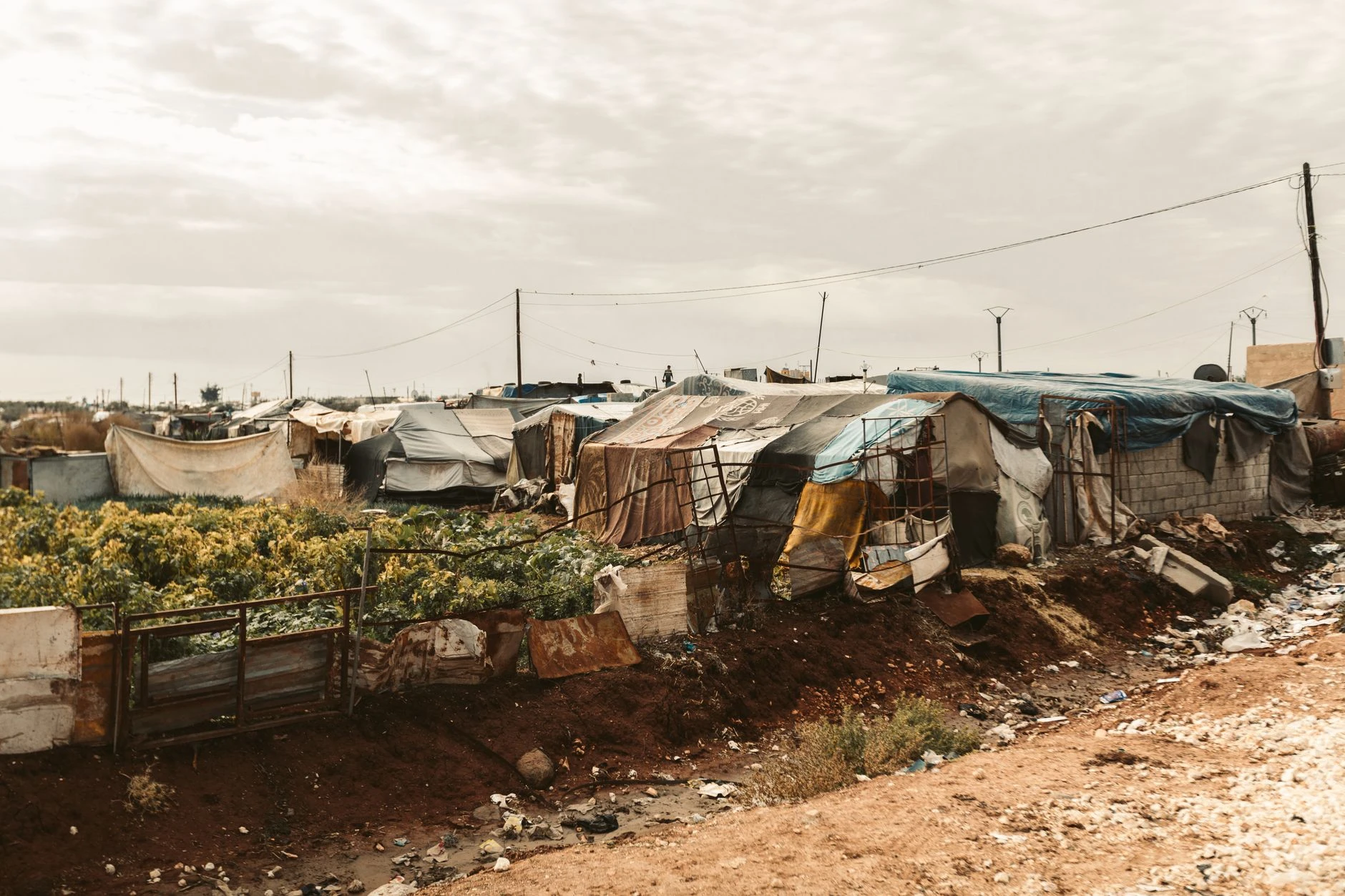
At the same time, repatriation efforts have continued through formal channels. By 11 June, more than 2,400 foreign nationals had been repatriated in coordinated operations involving Nigeria, Ghana and Mozambique. Those removals included 268 Nigerians on a voluntary flight, 926 Mozambicans who departed after screening at Lebombo Port of Entry on 3 June, and another operation on 7 June in which 168 Mozambicans were processed and 141 were found to be undocumented and deported.
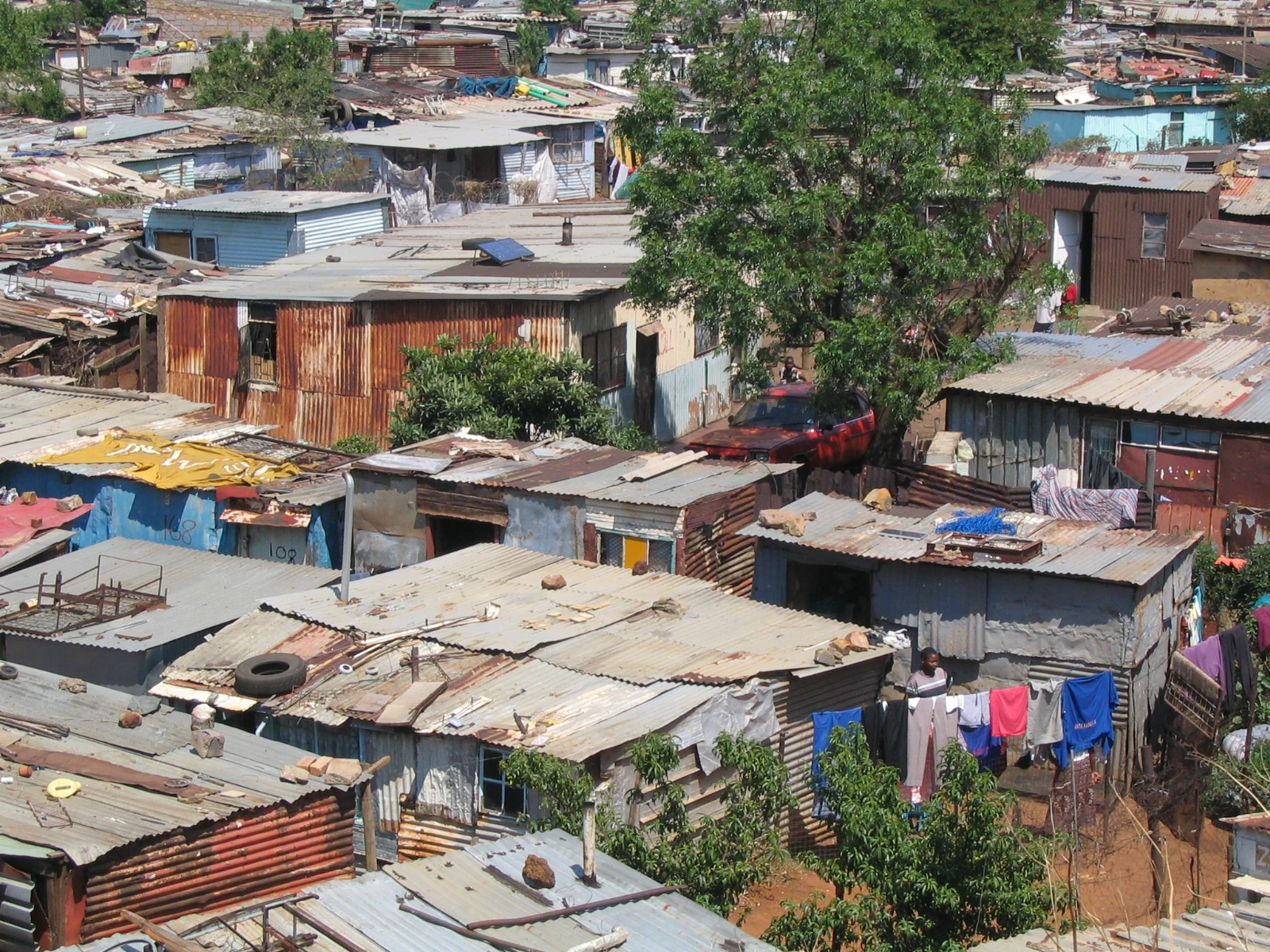
For South Africa, the dispute has become more than a migration fight. It is a test of whether the state can prevent mobs and political theater from replacing lawful immigration enforcement, and whether police and politicians can restore protection before xenophobic violence spreads further.
Sources
- [1]bbc.com
- [2]hrw.org
- [3]sabcnews.com
- [4]factcheck.afp.com
- [5]dailynews.co.za
- [6]citizen.co.za
- [7]aljazeera.com