World
South Africa repatriates 2,745 foreigners as anti-immigrant pressure rises
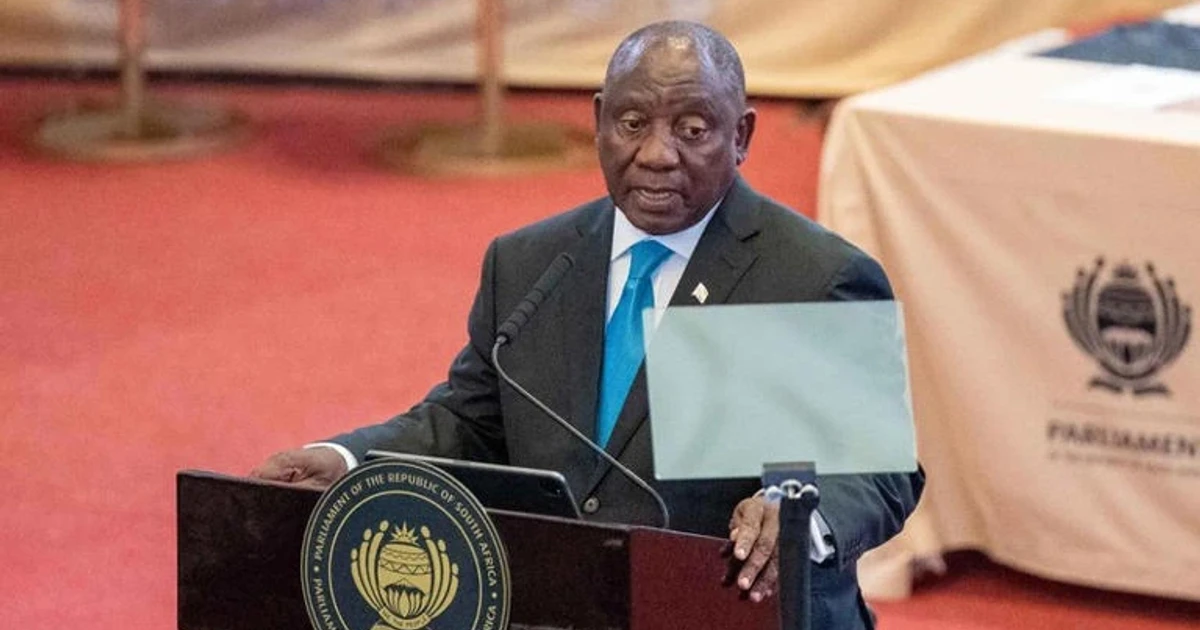
South Africa repatriated 2,745 foreigners in the week after President Cyril Ramaphosa vowed tougher action against illegal immigration, a sharp escalation that shows how border enforcement is colliding with fear, unemployment and anti-immigrant pressure. Home Affairs Minister Leon Schreiber said the total was “a moving target,” signaling that the removals could keep rising as the crackdown widens.
The government said most of those sent home were in the country illegally, but the push is unfolding against a wider atmosphere of intimidation. In Durban, more than 3,000 Malawians, including hundreds of children, were reported staying in an open field in Sherwood on June 11 after fleeing threats and attacks, while a June 10 report put the displaced population at about 2,500. South African officials began documenting Malawian nationals there as humanitarian organizations delivered emergency assistance.
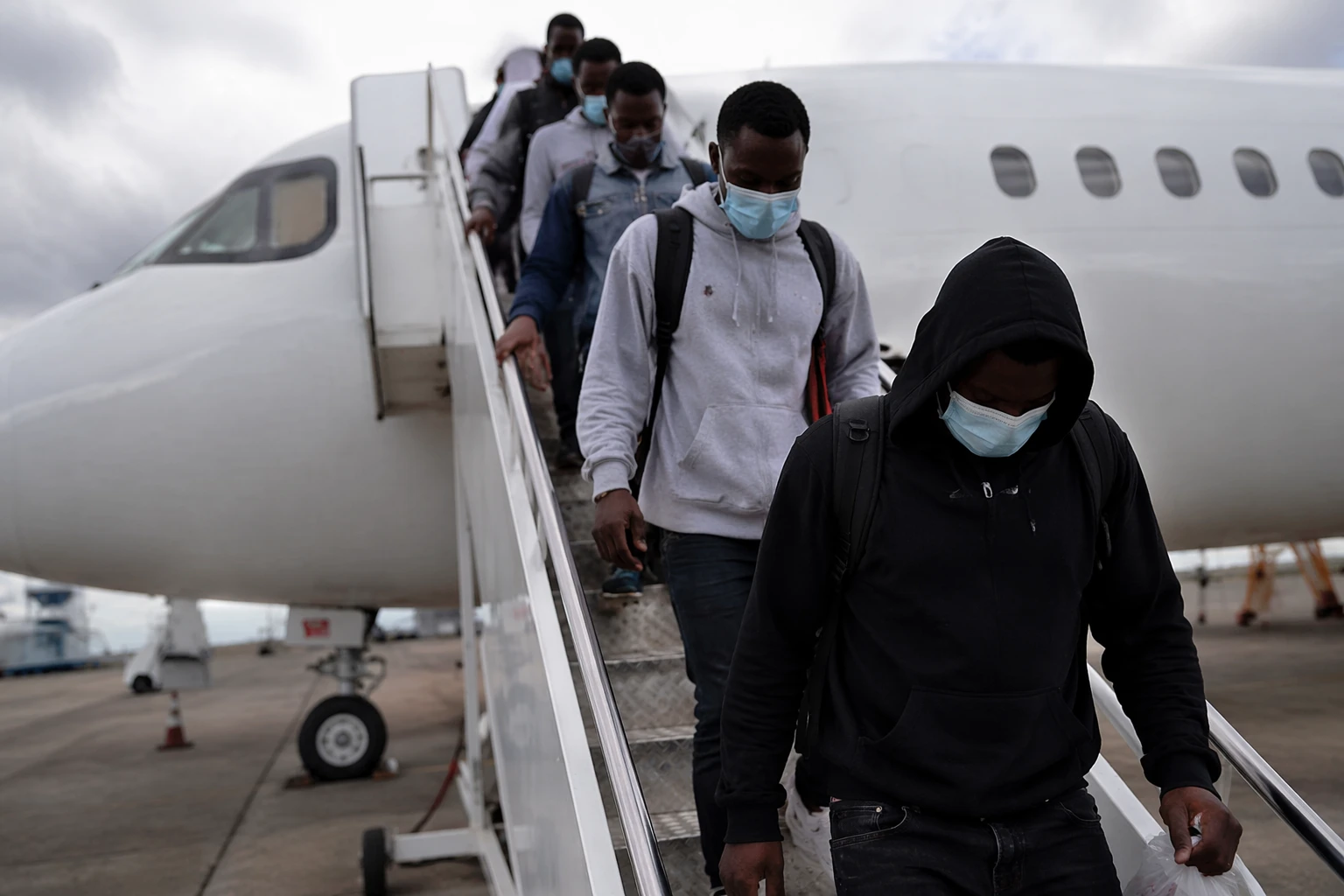
The exodus is being driven by more than formal deportation. Mobs carrying sticks, whips and shields have marched through parts of South Africa ordering foreigners without residency papers to leave by June 30, a deadline promoted by anti-illegal immigration groups. For many migrants, the choice to board buses or gather in camps has reflected fear of looting, violence and the risk of staying exposed while routes home remain open.
Economic strain is amplifying the politics. Statistics South Africa said unemployment stood at 32.7% in the first quarter of 2026, up from 31.4% in the fourth quarter of 2025, with 8.137 million people out of work. Youth unemployment remained above 60%, and the official labour presentation showed an 11-point gap between the headline unemployment rate and a broader labor-market measure, pointing to deep unmet demand for work.
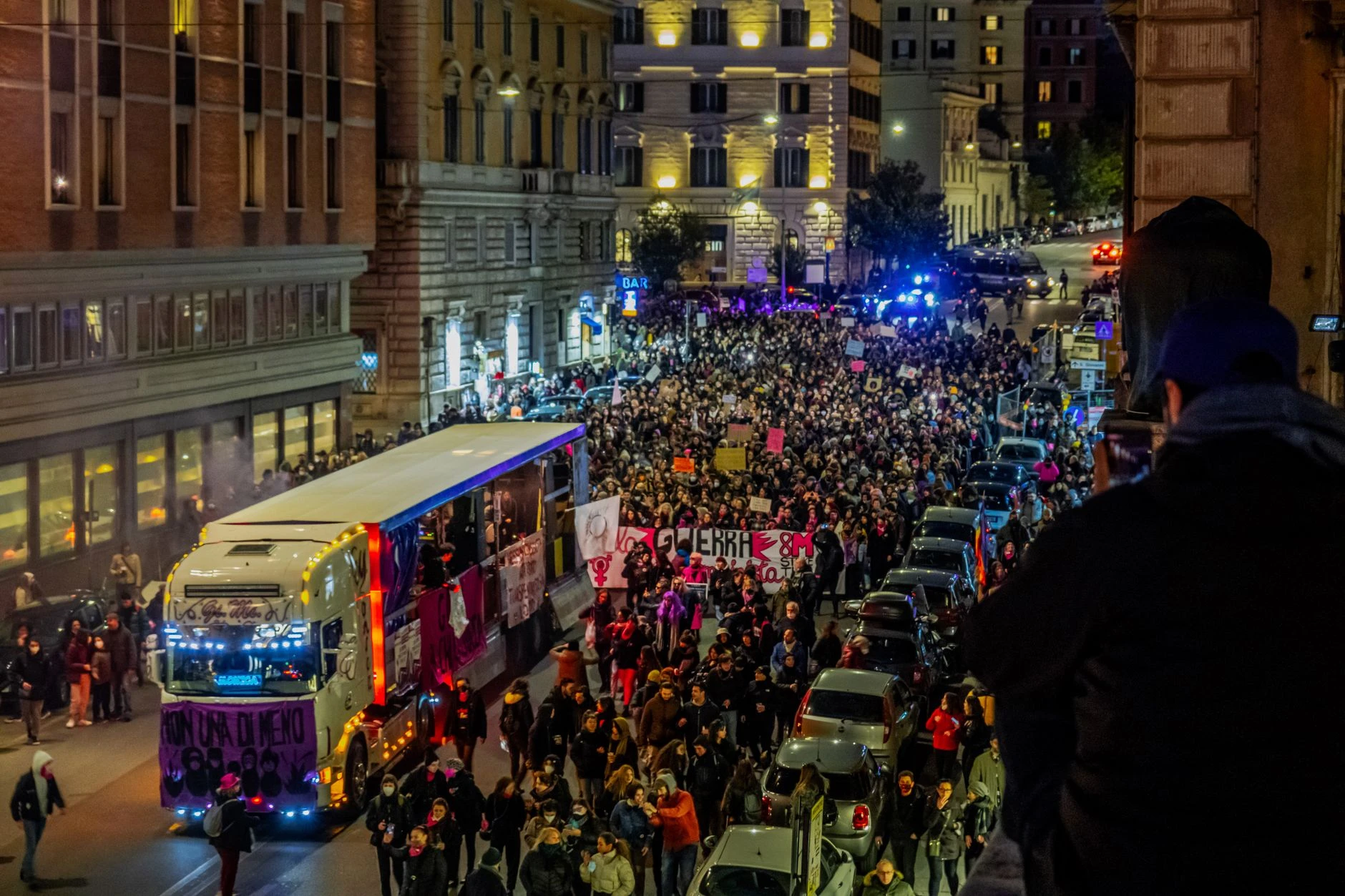
That economic backdrop has made migrants an easier target in debates over jobs, housing and public services, especially in a country where anti-immigrant violence has surfaced repeatedly. Several countries, including Nigeria, Malawi, Ghana, Zimbabwe and Mozambique, have organized or supported voluntary returns for their citizens, turning the crisis into a regional coordination effort as much as a domestic crackdown.
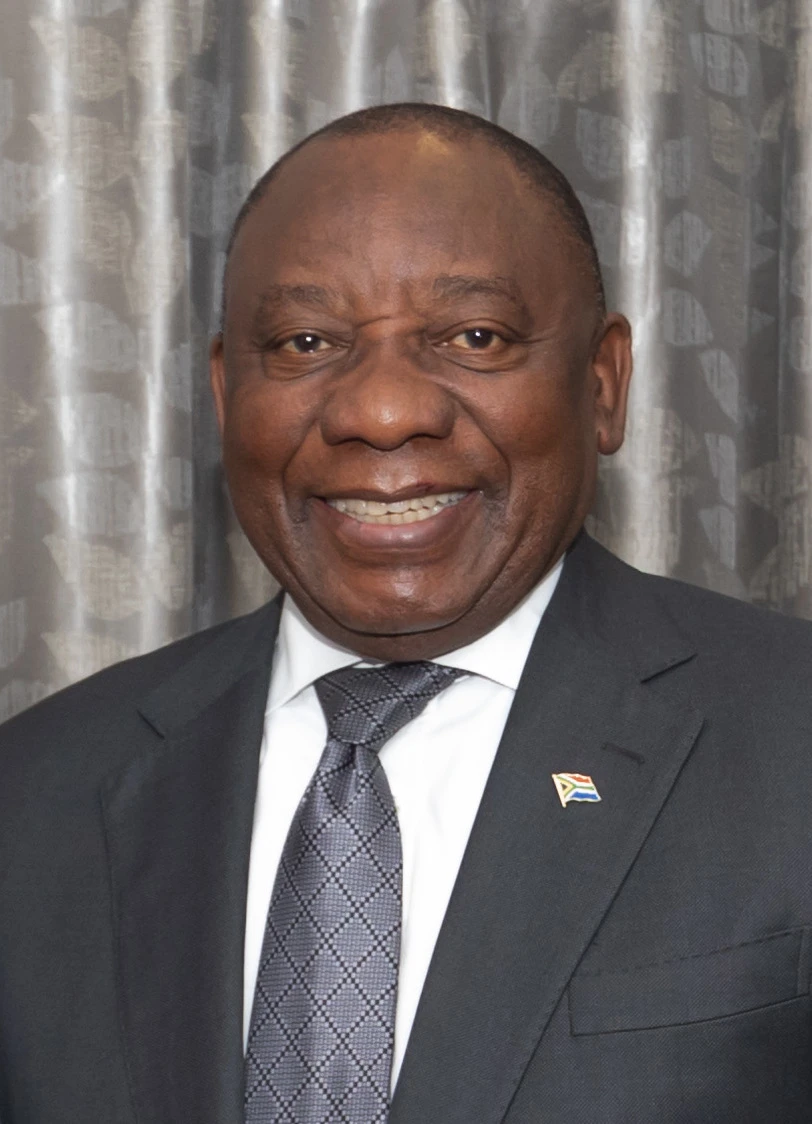
South Africa has also added 10 buses to move Malawians home after Malawi commissioned its own transport, underscoring how quickly the repatriation effort has spread across borders. A separate voluntary exercise sent the first two buses out of the Western Cape on June 6, carrying 150 Malawian nationals. With the departure deadline looming and the unemployment crisis still biting, the pressure on migrants is likely to remain one of the clearest stress tests of South Africa’s democracy.
Sources
- [1]france24.com
- [2]statssa.gov.za
- [3]gov.za
- [4]aljazeera.com
- [5]pretorianews.co.za
- [6]dailynews.co.za
- [7]ewn.co.za
- [8]cnbcafrica.com