Entertainment
South African jazz legend Abdullah Ibrahim dies at 91
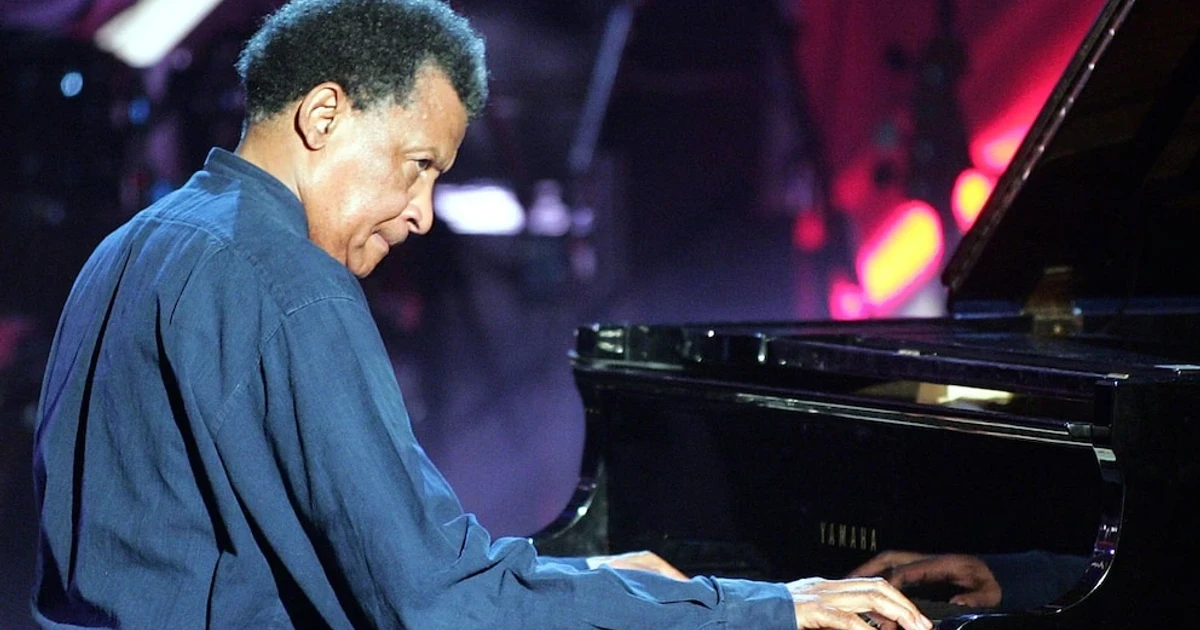
Abdullah Ibrahim, the Cape Town-born pianist, composer and bandleader whose music helped define South Africa’s cultural story, died at 91 after a brief illness. His family said he died in Germany, surrounded by loved ones, ending a career that carried South African jazz from exile into the global mainstream.
Born Adolph Johannes Brand on 9 October 1934, he was known early in his career as Dollar Brand before converting to Islam in 1968 and taking the name Abdullah Ibrahim. He left South Africa for Europe in 1962 and moved to New York in 1965, where international opportunities widened his reach. Over more than seven decades, he recorded more than 70 albums, played the Newport Jazz Festival and Carnegie Hall, and briefly led the Duke Ellington Orchestra in 1966 when he substituted as bandleader for several concerts.
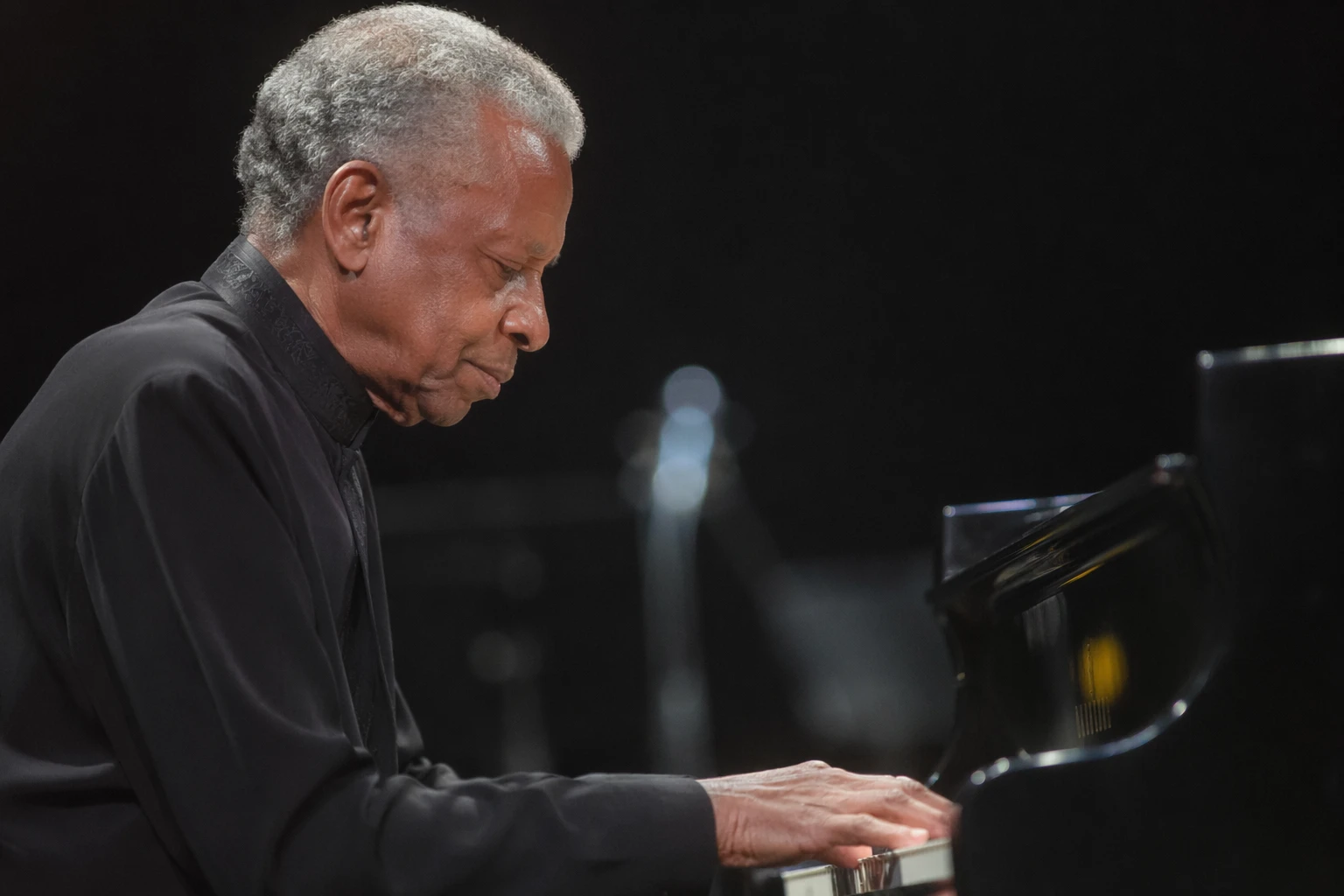
Ibrahim’s significance went far beyond the jazz canon. His 1974 composition “Mannenberg” became one of the most enduring musical symbols of resistance to apartheid, widely described as an unofficial anthem of the movement and adopted as a rallying cry for South Africans fighting for liberation. Nelson Mandela later called him “our Mozart,” a line that captured both the refinement of Ibrahim’s craft and the national stature his music achieved.
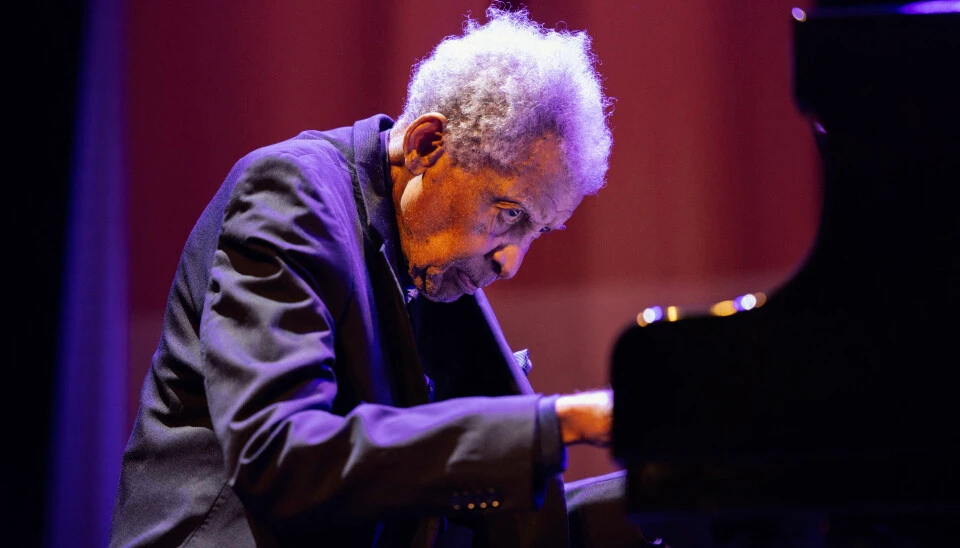
That stature was recognized at the highest levels of the new South Africa. President Cyril Ramaphosa paid tribute to Ibrahim as an anti-apartheid activist who used music to advance justice and showcase the country to the world. Ramaphosa also noted that Ibrahim received the Order of Ikhamanga in Silver in 2009 for his contribution to the arts and the struggle against apartheid.

For many South Africans, Ibrahim’s death marks more than the loss of a jazz giant. It closes the chapter on an artist whose work survived exile, political upheaval and the long transition from apartheid to democracy, while still sounding unmistakably rooted in Cape Town. His partner, Marina Umari, said he “passed away peacefully with South Africa and its people in his heart,” a final reflection of the bond between his music and the country he never stopped carrying with him.
Sources
- [1]abcnews.com
- [2]wsau.com
- [3]mingooland.com
- [4]wprl.org
- [5]abdullahibrahim.co.za
- [6]jazzapedia.com