World
South Africa’s anti-immigrant backlash exposes deepening xenophobic fault lines
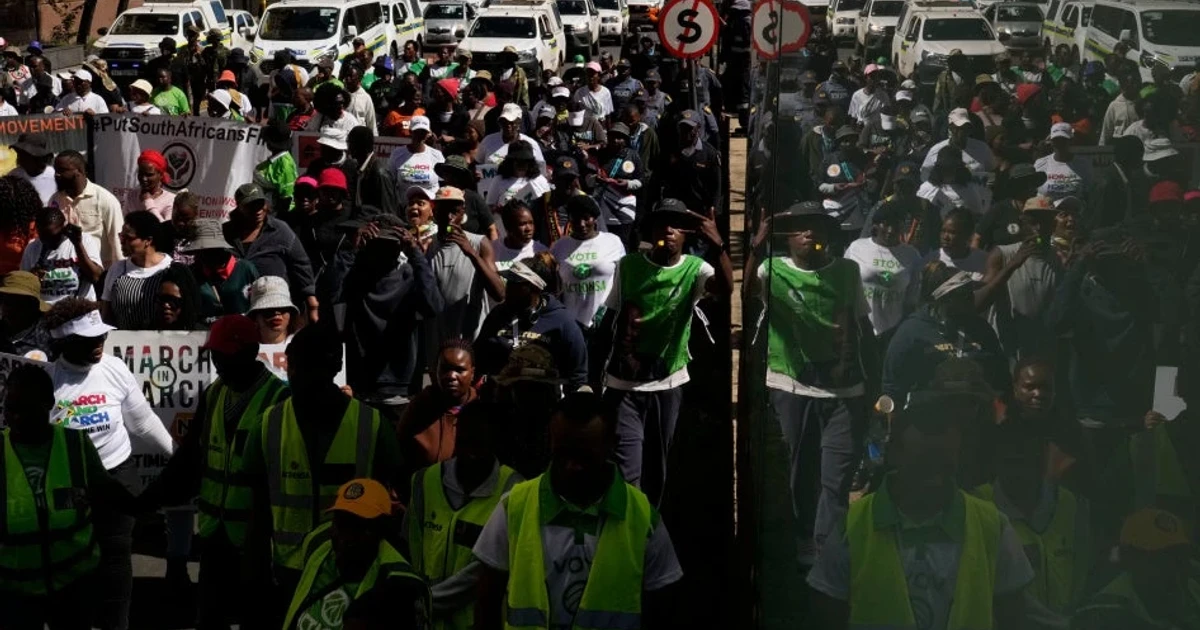
Hostility toward immigrants in South Africa reached its highest level since measurement began in 2003, the HSRC’s May 2026 research output found. The country’s post-apartheid promise of human rights sits uneasily beside a record of repeated anti-immigrant violence, even as the OECD estimate cited in the Helen Suzman Foundation’s brief places migrants’ contribution between 8.9% and 9.1% of national GDP.
A long record of violence behind the rhetoric
The contradiction did not emerge overnight. A 2005 background paper prepared for South African Human Rights Commission hearings on xenophobia showed the issue was already a serious post-apartheid concern, long before today’s anti-immigrant marches and online scapegoating became familiar parts of public debate. By the time Xenowatch compiled its December 2021 report, xenophobic violence had been tracked systematically from 2008 to 2021, and a separate factsheet dated 22 April 2021 had already documented incidents from 1994 through April 2021.
Xenophobic discrimination has recurred across neighborhoods, cities and institutions, with poorer immigrants especially exposed to hostility and violent exclusion.
Economic stress turns migrants into political targets
The politics of scapegoating grows sharper when jobs are scarce and public trust is thin. South Africans have been blaming foreign nationals for deep-seated socio-economic crises, turning migrants into convenient symbols for unemployment, frustration and service failures that are rooted much deeper than migration. That logic is politically useful because it offers a visible target when living conditions feel stuck.
The mismatch between blame and reality is stark. In August and September 2019, foreign nationals were targeted again in lootings, arson and assault, while the OECD estimate cited in the Helen Suzman Foundation’s brief on public opinion versus reality on immigrants in South Africa places immigrants’ contribution to national GDP between 8.9% and 9.1%.
This tension helps explain why anti-immigrant politics can spread so quickly in moments of stress. It offers a simple story of causation, but it also obscures the structural drivers of hardship, including weak growth, inequality and uneven access to work and services.
Weak accountability keeps the cycle alive
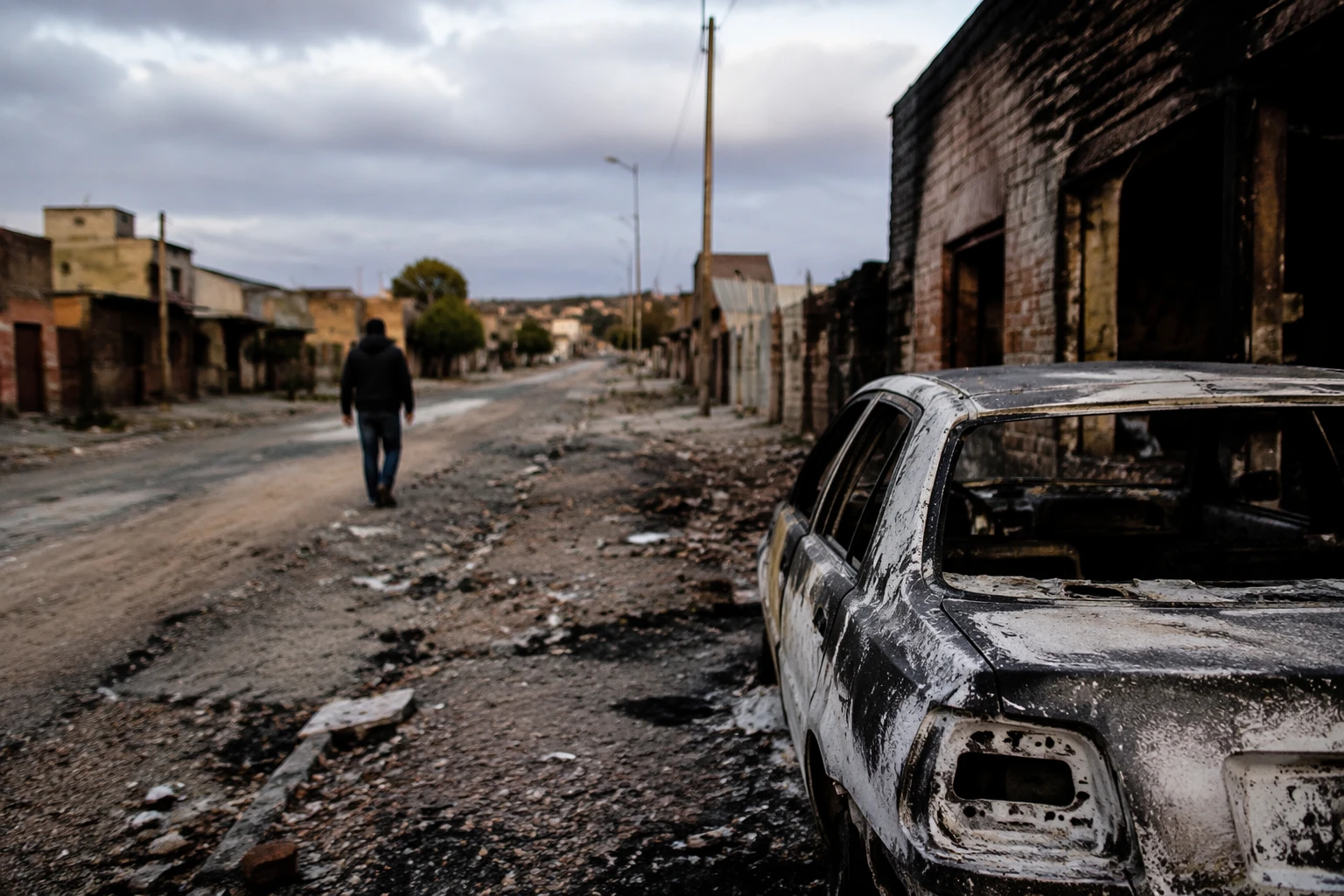
Human rights groups have long argued that the state response has not been strong enough to break that cycle. In 2019, Amnesty International called on South African authorities to tackle longstanding impunity to end xenophobia, making clear that the issue is not only public hostility but also the failure to punish attacks consistently.
Amnesty International’s South Africa 2025 country page states that the murder rate remained high, the police’s Political Killings Task Team had been disbanded, and threats against and killings of human rights defenders continued with impunity. Human Rights Watch’s World Report 2025 also addresses governance problems beyond migration alone.
South Africa’s legal and constitutional ideals promise equal dignity, but enforcement often arrives unevenly, especially when victims are foreign nationals, asylum seekers or poor migrants with little political leverage.
What the latest research says about a hardened climate
Recent academic work shows the social climate around migration has not softened. A Frontiers in Human Dynamics article published on 5 September 2025 examined opinion leadership, threats and enhancers to social cohesion and unity between South Africans and African immigrants in the post-apartheid era. A separate MDPI article published on 19 September 2025 focused on xenophobic attacks against asylum seekers, refugees and migrant entrepreneurs in Atteridgeville, Pretoria.
Xenowatch monitors all forms of xenophobic discrimination across South Africa. Immigrants in post-apartheid South Africa, especially poorer immigrants, face widespread discrimination, hostility and violent exclusion by local communities and institutions. Its September 2025 brief analyzed xenophobic discrimination from 2022 to 2024, extending the pattern traced in the earlier 2021 report and factsheet.
Recent anti-immigrant marches in South African cities renewed concern about xenophobia in post-apartheid South Africa, the HSRC’s May 2026 research output found.
Sources
- [1]nytimes.com
- [2]xenowatch.ac.za
- [3]hsrc.ac.za
- [4]hsf.org.za
- [5]amnesty.org
- [6]hrw.org
- [7]mdpi.com
- [8]frontiersin.org