Health
South Carolina Measles Outbreak Highlights Vaccine Divide
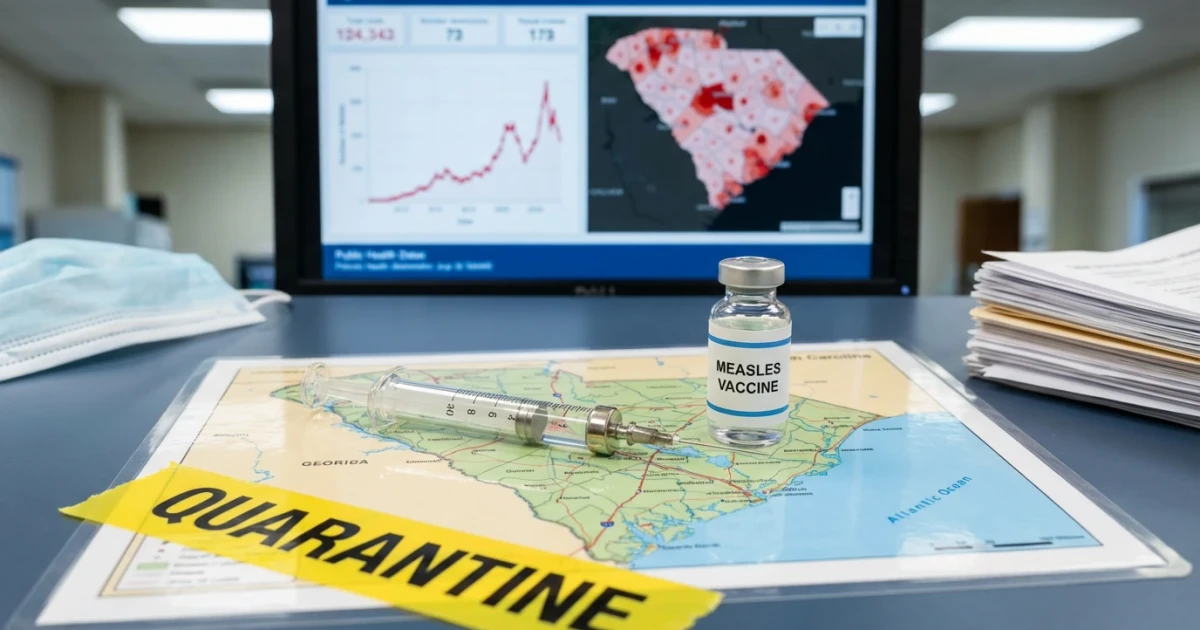
South Carolina is contending with a measles outbreak that, while now slowing, has brought longstanding divides over vaccination into sharp relief. As the state reports new cases and ongoing quarantines, public health officials are urging communities to confront the risks of low immunization rates and misinformation.
Outbreak Slows, But Concerns Remain
According to NPR and other media reports, the recent measles outbreak in South Carolina appears to be slowing. State health officials confirmed that as of this week, 30 people remain in quarantine, and new case reports have started to decline. This follows several weeks in which local transmission surged, prompting public health alerts and urgent calls for vaccination.
Measles, a highly contagious disease, can spread rapidly through communities where vaccination rates fall below the threshold needed for herd immunity. According to the CDC's measles case data, outbreaks like South Carolina's have become increasingly common in areas with patchy vaccine coverage.
Vaccine Opinions Split Communities
As NPR reports, the outbreak has done more than test the state's public health response—it has exposed how deeply divided neighbors can be on vaccines. In some South Carolina communities, strong support for immunization has helped curb the spread. In others, hesitancy fueled by misinformation and mistrust has left pockets of vulnerability.
- South Carolina's MMR vaccination rate for children is consistently below the national average, according to KFF data.
- Statewide, recent surveys show immunization coverage ranging from 85% to 90% among kindergartners—below the 95% level needed to prevent outbreaks.
- Local public health departments have faced challenges in reaching families who are skeptical of vaccines or lack access to reliable medical information.
Quarantine and Response Efforts
State authorities, following their official measles response protocols, have imposed quarantines on exposed individuals and launched contact tracing campaigns. The South Carolina Department of Health and Environmental Control (DHEC) continues to provide vaccination clinics and resources to boost coverage.
Throughout the outbreak, health officials have stressed the critical role of the MMR vaccine in preventing the spread of measles, which can cause severe complications such as pneumonia, brain swelling, and even death, especially in children and those with compromised immune systems.
Broader Implications for Public Health
While the immediate surge in cases is abating, the outbreak has intensified debate over vaccine policy in South Carolina. Experts warn that unless immunization rates improve, future outbreaks remain a distinct possibility.
The CDC’s interactive immunization map shows disparities in vaccine uptake by county, reflecting the same social and political fault lines highlighted by the current crisis.
Looking Forward
As quarantines wind down and the number of new infections falls, South Carolina faces a crucial test of whether communities can bridge the gap on vaccination. Public health officials hope the recent outbreak will prompt more families to seek immunizations, protecting themselves—and their neighbors—from future waves of preventable disease.