Health
South Carolina Measles Outbreak Nears 1,000 Cases
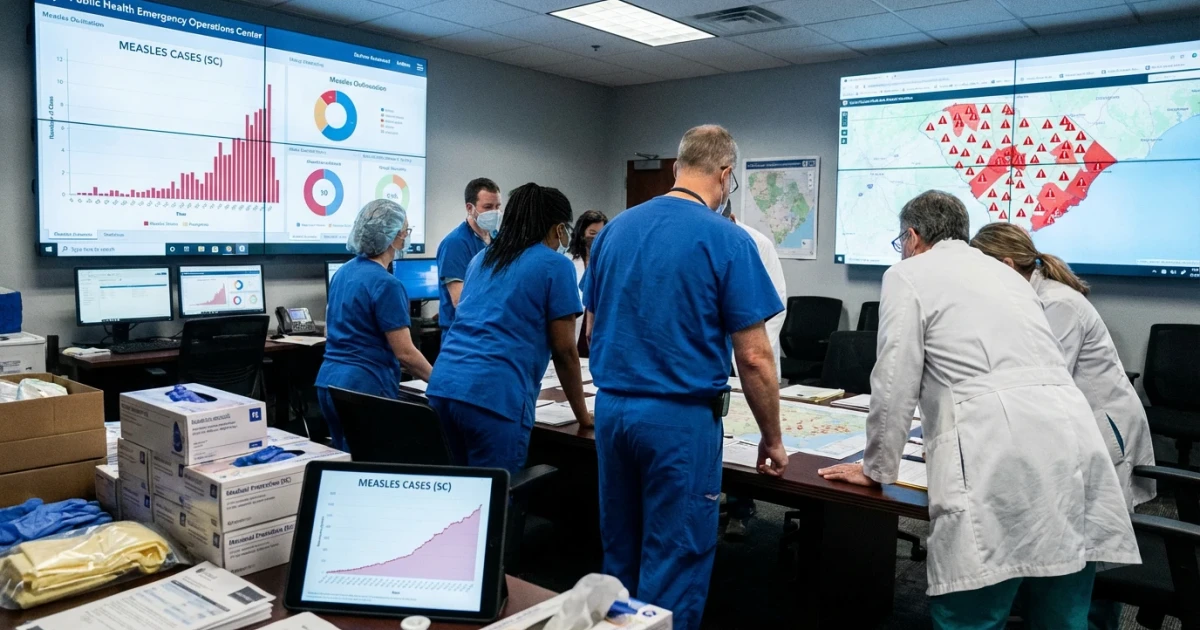
South Carolina's measles outbreak has surged to 979 confirmed cases, as reported by Yahoo and other major outlets, placing the state among the hardest hit by the resurgent disease in the United States this year. Public health officials are intensifying efforts to contain the spread, seeking reinforcements beyond federal resources as the situation worsens in the Upstate region.
Case Numbers Continue to Climb
According to the latest figures published by Yahoo, South Carolina added 6 new measles cases since the previous update, bringing the year-to-date total to 979. This steady rise makes the ongoing outbreak one of the most significant nationwide, with state case numbers approaching the symbolic 1,000 mark.
- 979 total cases reported as of February 24, 2026
- 6 new cases confirmed in the most recent update
- The Upstate region remains the focal point of the outbreak
Readers can access detailed surveillance data by state and month from the CDC for further breakdown.
Efforts to Contain the Outbreak
As the outbreak intensifies, South Carolina health officials are taking extraordinary steps to contain measles transmission. Reuters noted that the state is seeking non-CDC reinforcements in its efforts—an uncommon move that underscores the severity of the situation. While the CDC typically provides guidance and resources during outbreaks, the escalating case count has prompted South Carolina to request additional support from outside organizations and neighboring states.
The state’s Department of Health and Environmental Control (SCDHEC) is leading the local response, coordinating vaccination drives, public information campaigns, and active case monitoring. For healthcare professionals, up-to-date protocols and reporting instructions are available on the CDC’s measles information page.
Why Is Measles Spreading?
Measles is a highly contagious virus that can spread quickly, particularly among unvaccinated populations. According to the CDC’s Pink Book chapter on measles, outbreaks often occur in areas where vaccination rates have dipped below the recommended coverage, weakening herd immunity. The Upstate region of South Carolina has reported clusters of lower vaccination rates in recent years, contributing to the current surge.
Globally, the World Health Organization has also observed increasing measles cases, driven by factors such as vaccine hesitancy, supply disruptions, and misinformation.
What’s Next for South Carolina?
With the outbreak showing little sign of slowing, state officials are urging residents to check their vaccination status and seek immediate immunization if needed. Health authorities continue to monitor the situation closely, hoping that intensified containment measures and additional external support will prevent the case count from surpassing the 1,000 mark in the coming days.
For ongoing updates, readers can visit the official SCDHEC measles page and review the CDC’s outbreak tracker for national context.