US News
South Carolina races to stop invasive hornets threatening honey crops
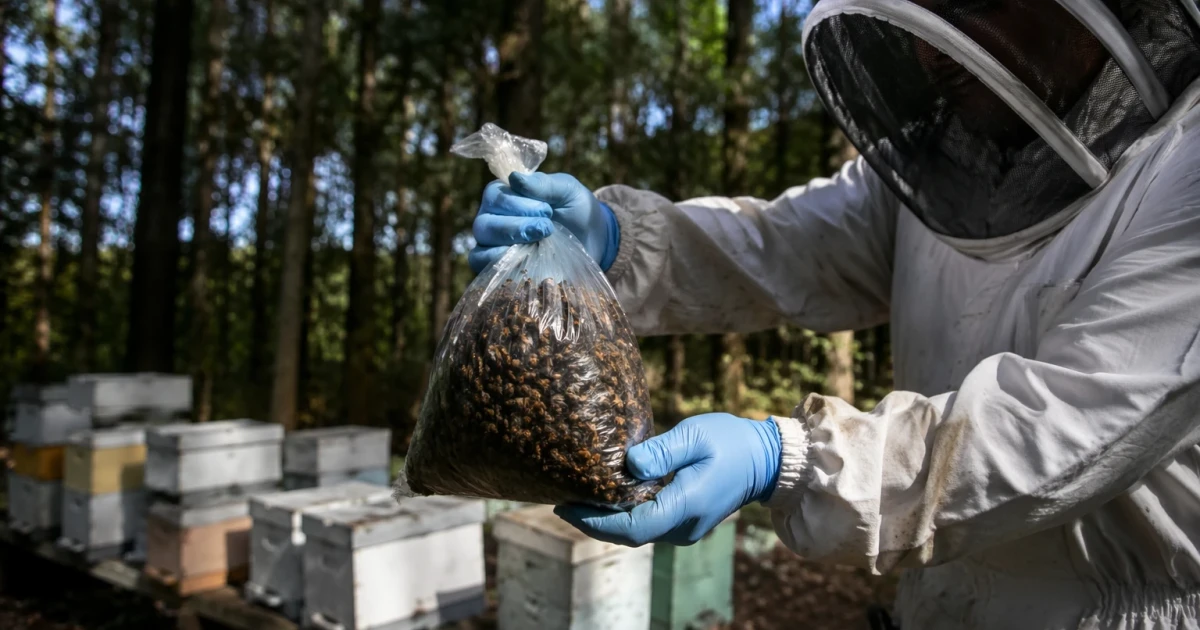
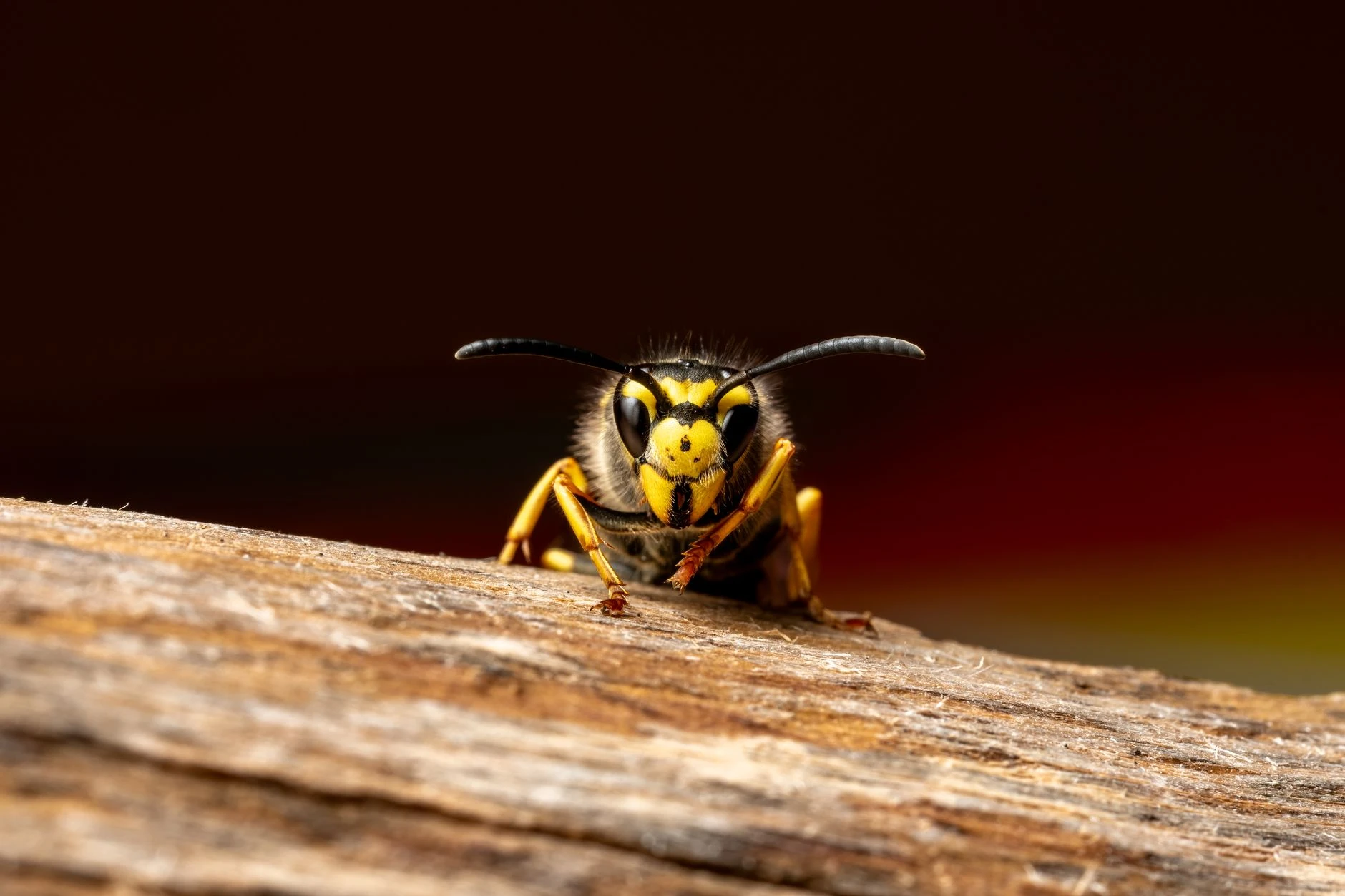
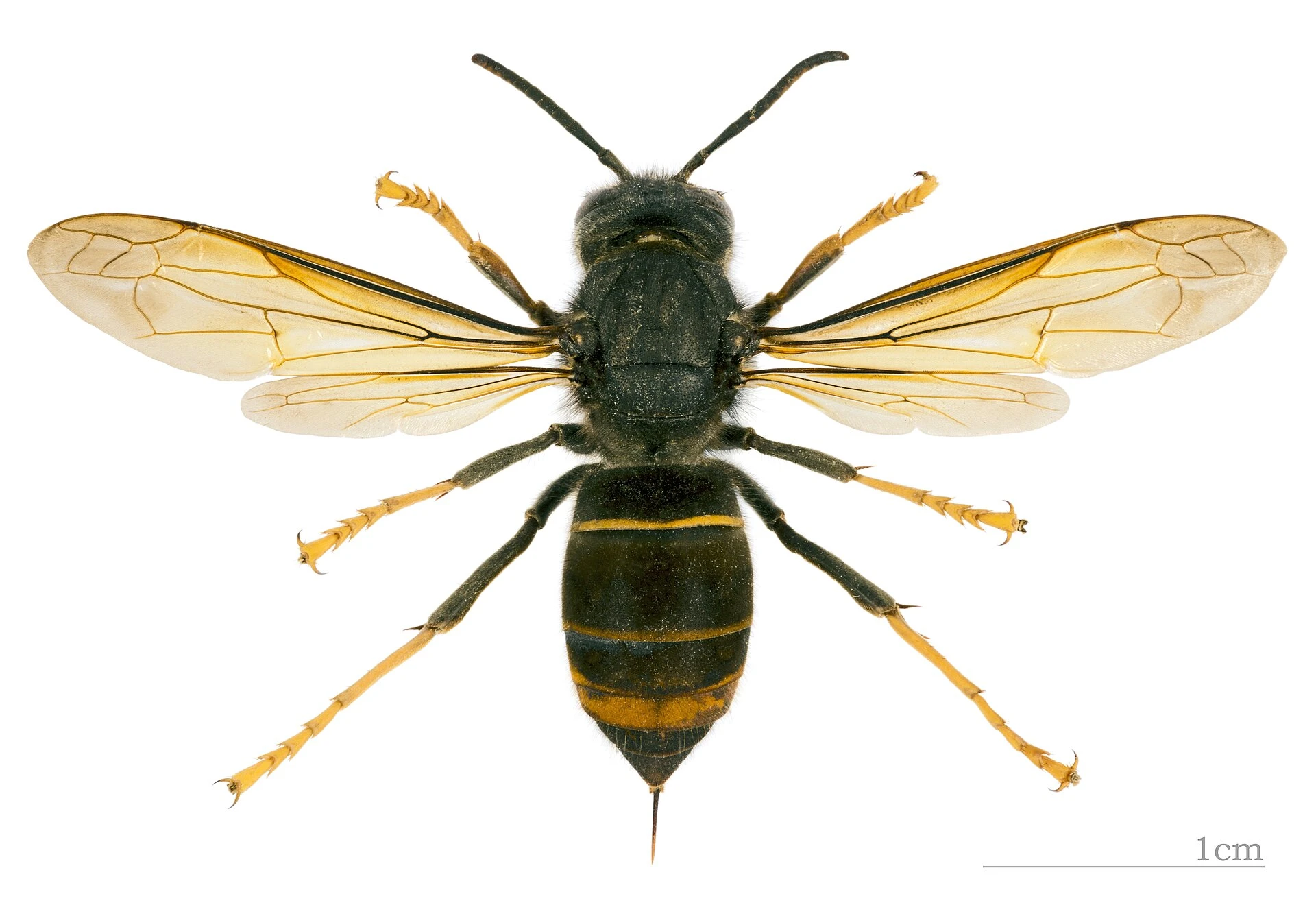
The yellow-legged hornet, Vespa velutina, has forced South Carolina into a race to protect bees and honey crops after the invasive insect was first detected near Savannah, Georgia, in August 2023, less than five miles from the state line, and confirmed in Jasper County on Nov. 9, 2023. Clemson officials say the hornet can devastate managed and wild bees, reduce foraging, trigger colony failure and threaten honey production, other bee products and crop pollination.
Since those first detections, the Clemson University Department of Plant Industry and the Clemson Cooperative Extension Apiculture and Pollinator Program have run a trapping and tracking response with technical and financial support from USDA APHIS. In spring 2024, inspectors found several queens and one embryo nest in Beaufort County, and by early 2025 they had traps in Beaufort, Jasper, Colleton and Hampton counties.
Clemson launched a yellow-legged hornet reporting system on April 14, 2025, and asked residents to submit a photo with each report and leave suspected nests undisturbed so inspectors could remove them safely. Brad Cavin, who directs the state response, has described public reporting as one of the most effective early-warning tools, while Clemson assistant director Steven Long has warned that invasive species can spread quickly once they gain a foothold.
The scale of the infestation kept growing. Clemson said that from mid-summer through the end of 2024, crews found 16 nests and removed or destroyed 15 of them. In 2025, the program removed the 16th nest overall, along with nine embryo nests and five primary nests. By March 2026, Clemson said nearly 200 nests had been removed in the previous year, with hornet activity observed as far north as Seabrook Island, inland to Statesboro, Georgia, and south of Fort Stewart, Georgia.
The most alarming turn came Dec. 8, 2025, when a beekeeper in York County reported hornets hawking honey bees and inspectors tracked down a nest in less than a week. Clemson said it was the first yellow-legged hornet or nest detected outside the Lowcountry in South Carolina, and that more than 400 queens were killed when the nest was destroyed, though some may already have dispersed.
South Carolina agriculture officials say the state’s beekeeping industry is strong and bees are essential to agriculture and the food supply. That makes the hornet campaign a test of how much labor, monitoring and public reporting it takes to hold an imported predator back before it can move from a local swarm problem into a broader threat to pollination and the crops that depend on it.