Politics
South Carolina runoff puts governor's race and House contests on the line
The race for South Carolina governor narrowed to a one-on-one Republican runoff between Lt. Gov. Pamela Evette and Attorney General Alan Wilson, turning the day into a test of which faction could bring its voters back in a lower-turnout contest. The winner was set to face Democratic state Rep. Jermaine Johnson in the general election, raising the stakes well beyond a single party fight.
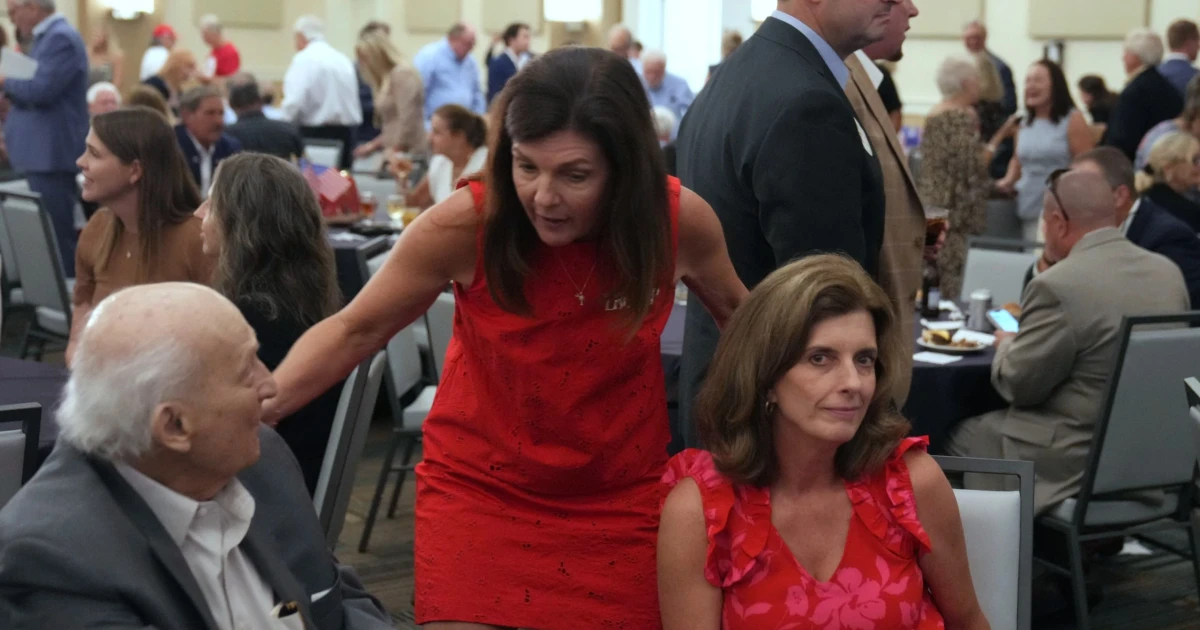
That same dynamic reached South Carolina’s 1st Congressional District, where Charleston County Councilmember Jenny Costa Honeycutt and state Rep. Mark Smith fought for the Republican nomination. Honeycutt took 22.1% of the vote and Smith 18.0% in the June 9 primary, and the district entered the runoff with no incumbent on the ballot for the first time since 2013 after Nancy Mace chose to run for governor instead of seeking reelection.
The state’s election machinery underscored how much the outcome depended on turnout. The South Carolina Election Commission said early voting ran Wednesday, June 17, through Thursday, June 18, from 8:30 a.m. to 5:00 p.m., and Election Day polling places were open from 7 a.m. to 7 p.m. The commission also listed 3,398,459 registered voters statewide, while noting that the 2026 primary produced a record-breaking early voting period with more than 318,600 ballots cast across South Carolina.
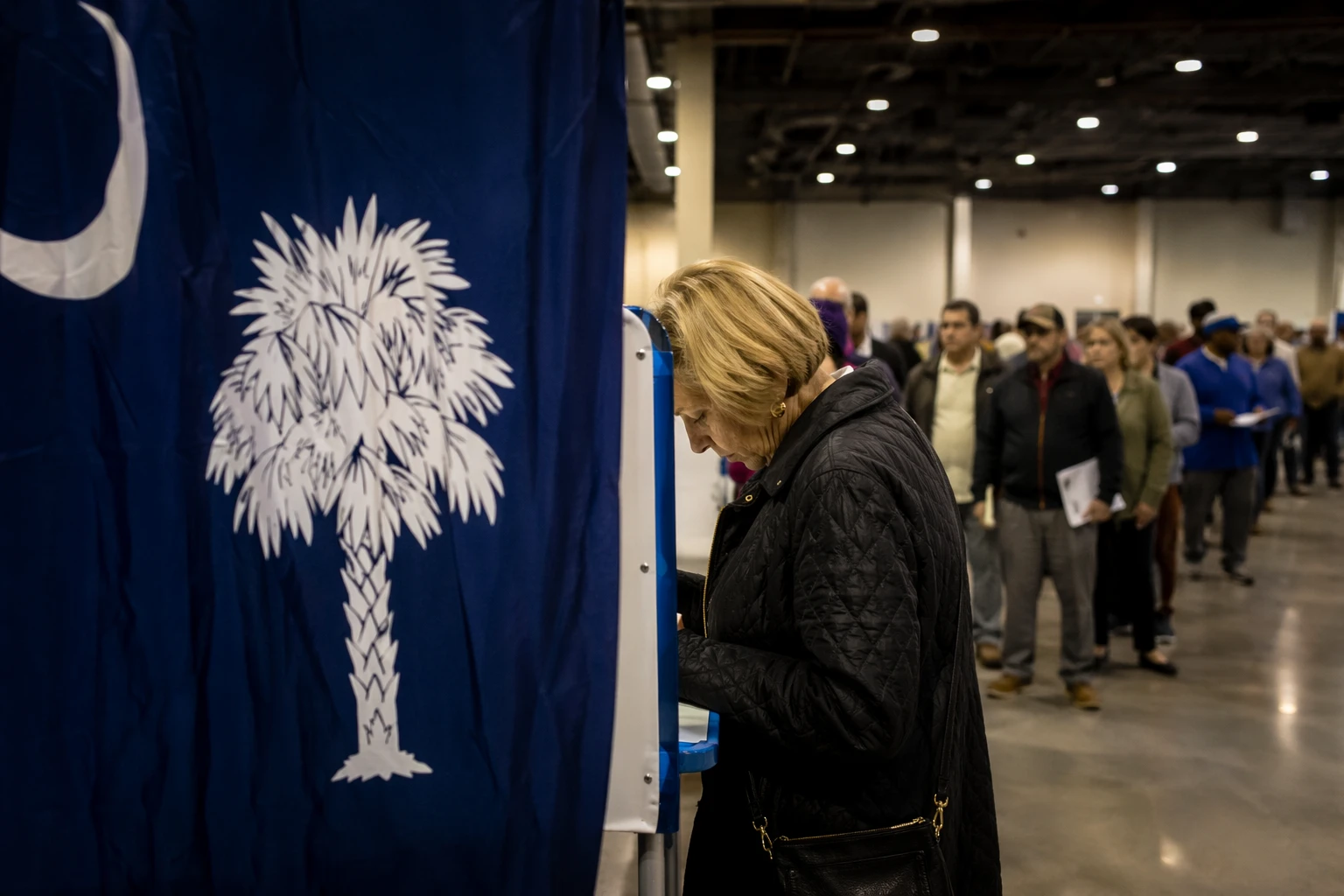
Those figures point to the central question in the runoff: which voters showed up again. Runoff electorates are usually smaller and more intense than primary electorates, which can reward the campaigns best able to mobilize loyal supporters, especially in a state where Donald Trump carried South Carolina by 17.9 points in 2024 and where the voting-age population has grown to 4.0 million, up 220,000 from 2019. Even in a deeply Republican state, a runoff can expose whether a candidate’s coalition is broad or merely loud.
The contrast with past turnout was stark. The South Carolina Election Commission’s 2022 runoff report counted 224,432 total voters statewide, including 24,746 early votes and 217,980 Election Day votes. That history gave the governor’s runoff and the 1st District contest added meaning: the results were not just about nominees, but about which activists, local organizations and party factions could still move voters when the primary field had already been winnowed down.
Sources
- [1]apnews.com
- [2]news.ballotpedia.org
- [3]scvotes.gov
- [4]wsoctv.com