Technology
South Korea accuses Google of abusing Android app store dominance
South Korea’s antitrust regulator accused Alphabet’s Google on Wednesday of abusing its dominance in the Android app marketplace to squeeze out rivals, saying the practice reached 14.16 trillion won, or about $9.1 billion, in affected revenue. The Korea Fair Trade Commission said it would recommend corrective measures and a financial penalty, but Google still has eight weeks to submit a written response and review the evidence before the commission issues a final ruling.
The regulator’s Market Surveillance Bureau said Google’s internal Games Velocity Program, also known as Project Hug, supported game developers between July 2019 and March 2026 on the condition that they launched titles on Google Play on terms at least as favorable as competing stores. As developers earned more money through Google Play, the incentives grew, pushing them to prioritize Google’s marketplace and making rival stores such as ONE Store less attractive. The bureau said that reduced developers’ incentives to distribute across competing app stores and amounted to de facto exclusive dealing.

The case lands in a market where Google Play controls more than 80% of South Korea’s Android app business, while ONE Store remains in the 10% range. That imbalance gives the fight outsized importance for developers that depend on Android distribution and for users whose app choices are shaped by store visibility, preloaded defaults and the terms attached to payments, promotions and discovery.
Seoul has already pressed Google once on similar conduct. In 2021, the Korea Fair Trade Commission fined the company 42.1 billion won, or about $31.9 million, for blocking game developers from releasing titles on competing platforms. That earlier penalty became a key precedent for how South Korean regulators view Google’s control over app distribution on Android.
The latest case also adds to a wider international backlash against platform power, as regulators in Europe and the United States have taken aim at app-store rules, developer fees and other terms that can keep users inside a single ecosystem. In South Korea, the stakes are higher because the regulator said any final finding of market-dominance abuse could trigger a fine of up to 6% of the relevant revenue, with staff proposals placing the possible penalty as high as 850 billion won.
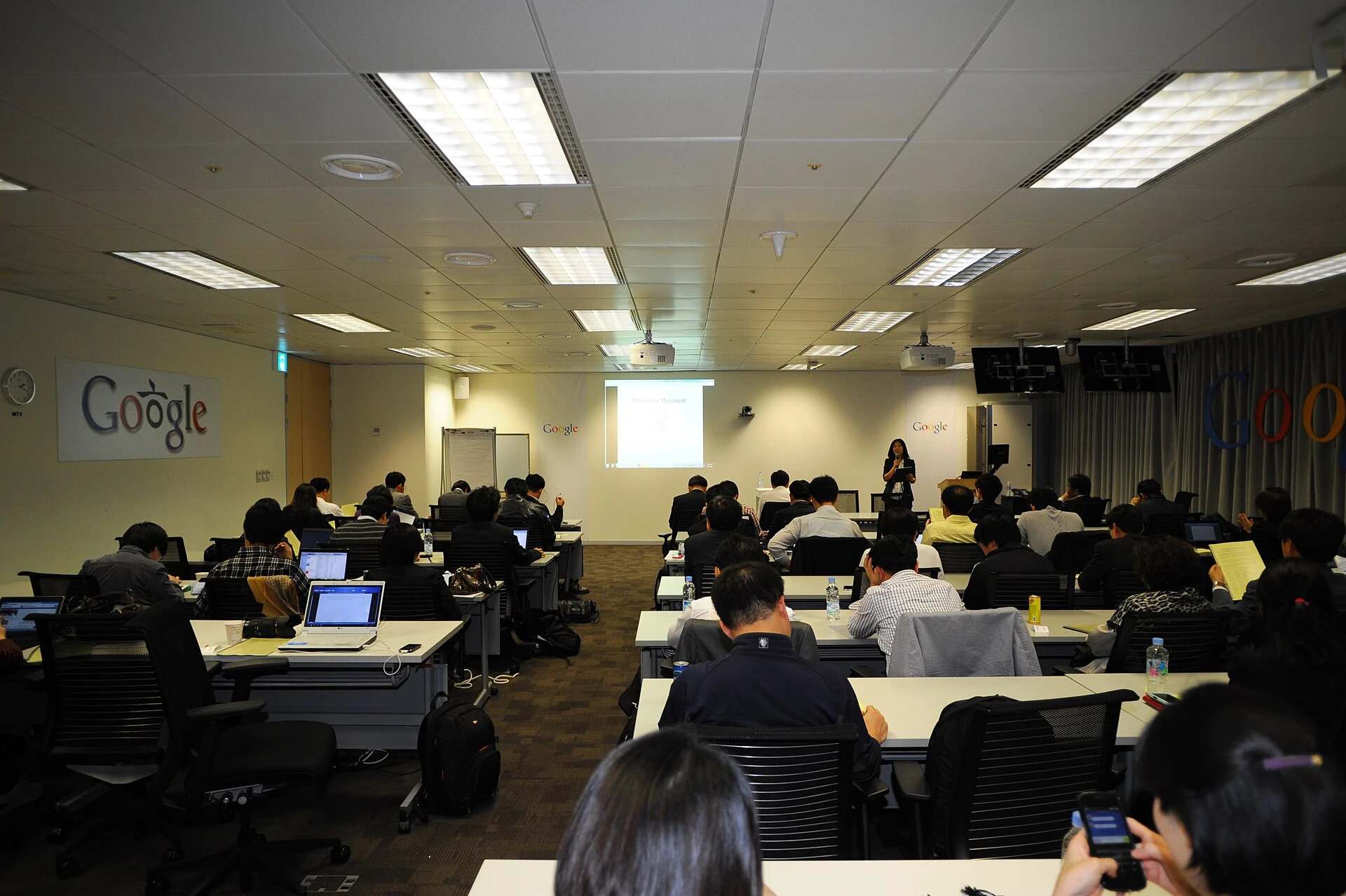
If the commission backs the bureau’s view, Google could be forced to alter the incentives that have tied developer support to Google Play and open more room for rival stores to compete on Android devices. For game publishers, that could mean more freedom to launch across multiple stores on equal terms. For Android users, it could mean more app-market choice in a country where one platform has long set the pace.
Sources
- [1]usnews.com
- [2]chosun.com
- [3]biz.chosun.com
- [4]straitstimes.com
- [5]asiae.co.kr