World
South Korea and Japan revive security ties with joint drills
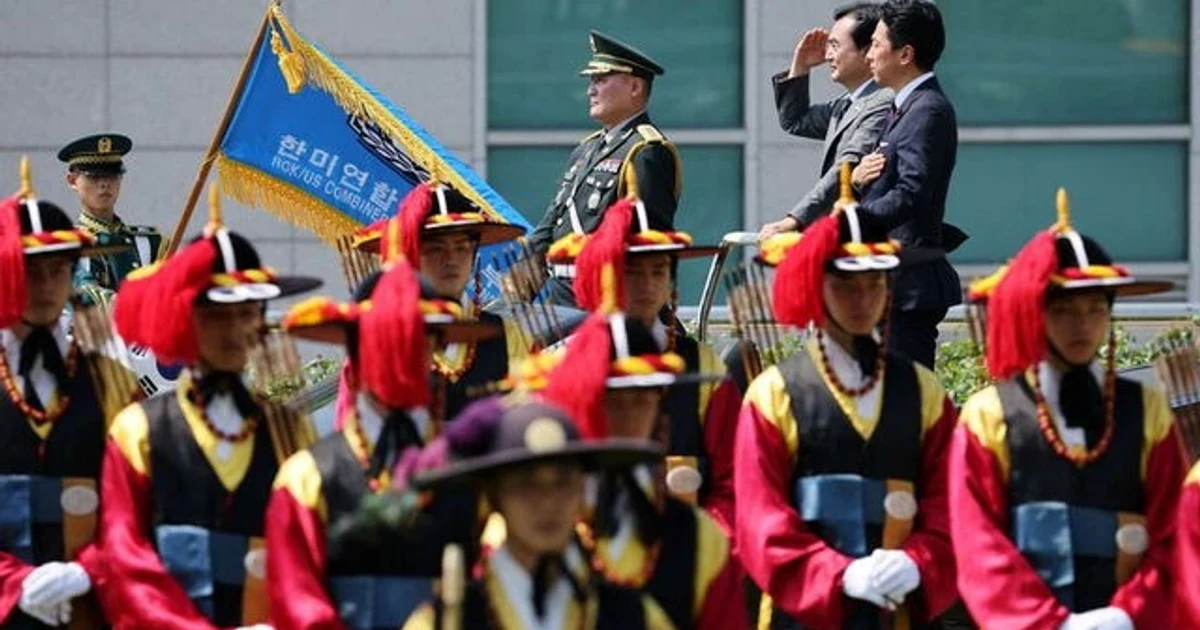
South Korea and Japan moved to restore joint search-and-rescue drills after a meeting in Seoul between South Korean Defence Minister Ahn Gyu-back and Japanese Defence Minister Shinjiro Koizumi on Sunday, June 28, 2026. The two ministers also reaffirmed their commitment to the denuclearisation of the Korean peninsula, a signal that the two U.S. allies are trying to turn improved political contacts into more practical security coordination.
The talks were the sixth round between the two governments, and both sides said cooperation should continue to maintain regional peace and stability amid what South Korea’s defence ministry called a grave security environment. That language reflected the immediate pressures shaping the relationship: North Korea’s missile and nuclear programs, a sharper regional military climate, and the need for Seoul and Tokyo to stay aligned with Washington.
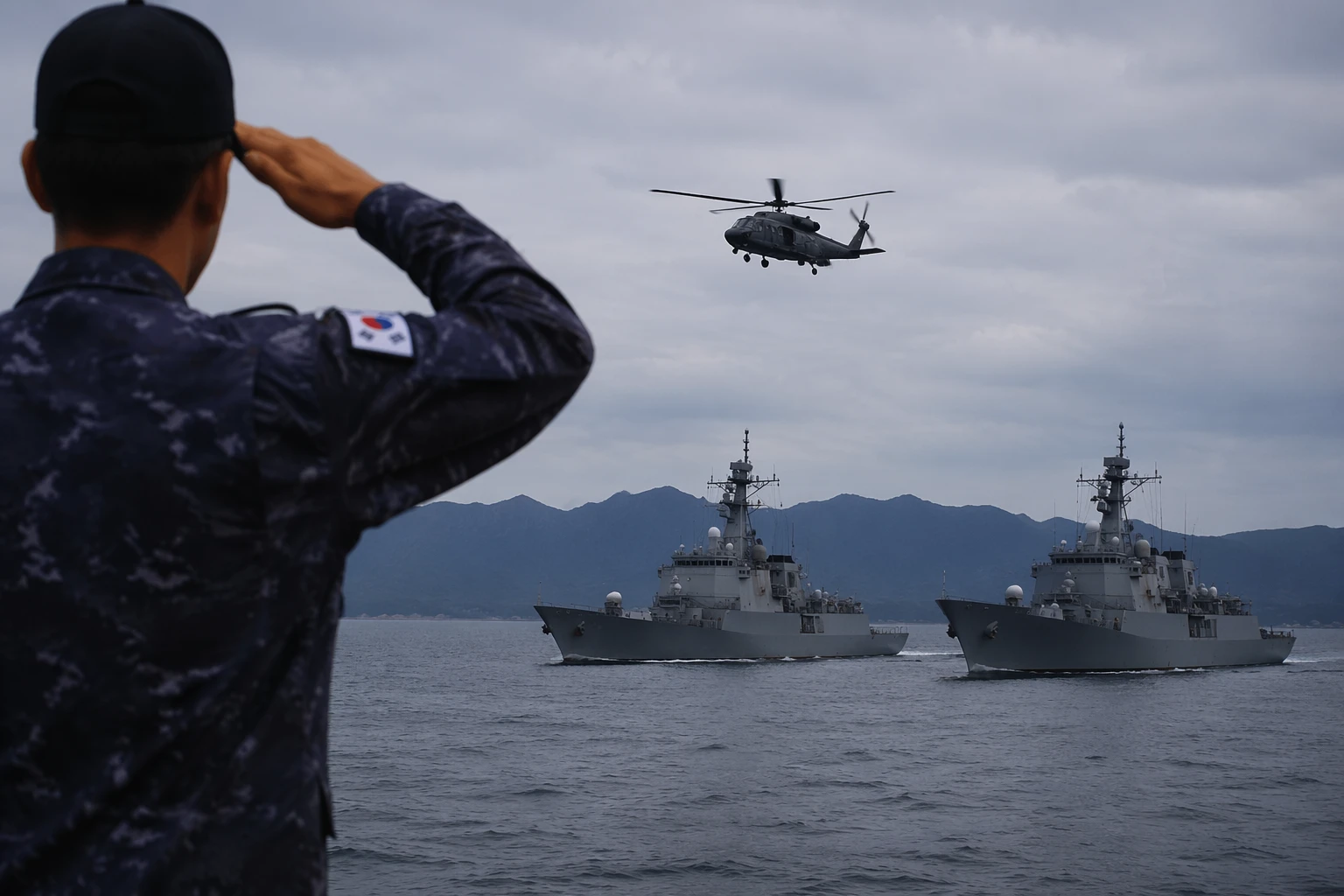
The revived drills matter because they go beyond symbolism. South Korea and Japan resumed joint maritime search-and-rescue exercises on June 8, 2026, for the first time in nine years, in international waters southeast of Jeju Island. That earlier drill followed a long hiatus driven by political and military tensions, and the decision to bring the exercises back suggests both capitals are willing to rebuild habits of coordination that can be used in crises, whether at sea or during disaster response.
The Seoul meeting also broadened the agenda beyond conventional defense. The ministries said they would continue exchanges between South Korea’s Black Eagles and Japan’s Blue Impulse aerobatic teams, and they agreed to discuss cooperation in advanced technologies including artificial intelligence. Those contacts are smaller than treaty-level commitments, but they show how the relationship is being widened after years in which history often narrowed it.
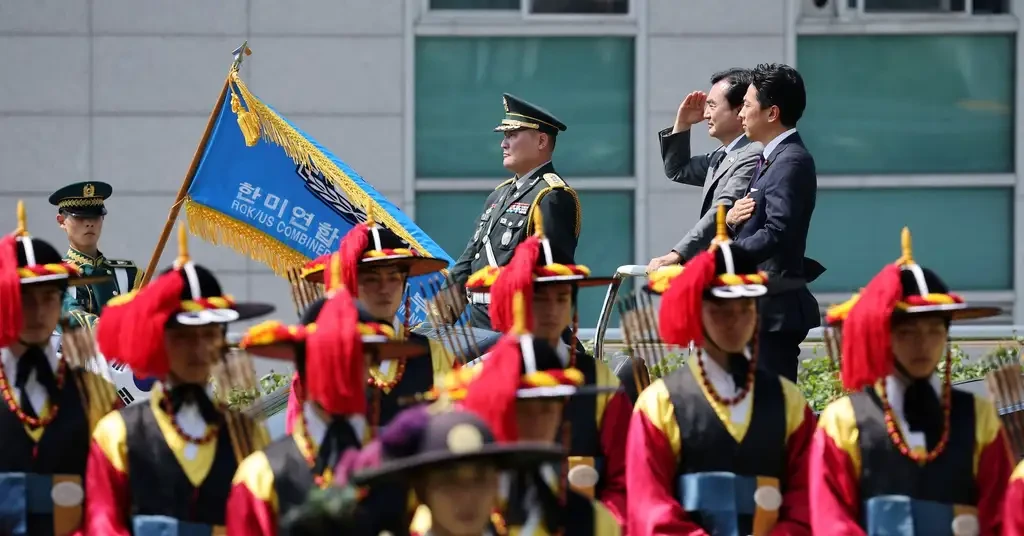
For Washington, the reset strengthens a key part of the U.S. security architecture in Asia. Seoul and Tokyo said they would work on regional stability bilaterally and through their partnerships with the United States, which gives the three-way alignment more room to deter North Korea and complicate China’s strategic calculations. Even so, the partnership still has limits: South Korea and Japan have spent years trying, since 2022, to deepen ties and overcome bitter historical differences, and those grievances continue to define how far the cooperation can go.
Sources
- [1]usnews.com
- [2]channelnewsasia.com
- [3]koreatimes.co.kr
- [4]stripes.com