Politics
South Korea court sentences former President Yoon to two years in prison
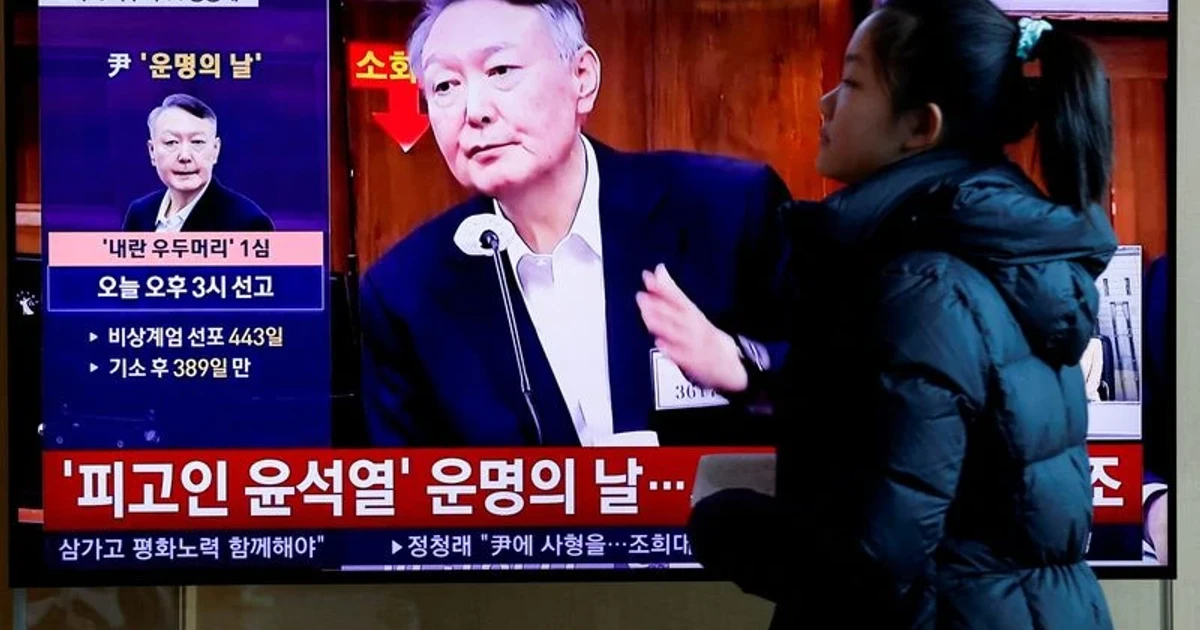
A Seoul court sentenced former President Yoon Suk Yeol to two years in prison on July 13, 2026, after finding that he received free opinion polling services worth 270 million won, about $179,800, from political broker Myung Tae-kyun. The ruling added a fresh criminal conviction to a former leader already under heavy legal pressure, and it kept the country’s anti-corruption system trained on one of South Korea’s most polarizing political figures.
The Seoul Central District Court found that Yoon violated political funding laws by taking 14 rounds of polling support tied to his 2021 to 2022 campaign. The court also found that Yoon later influenced the nomination of a former lawmaker as repayment, deepening the case’s reach into campaign maneuvering and party politics. Judge Lee Jin-kwan’s Criminal Division 33 also ordered Yoon to pay a fine of about 13.96 million won.
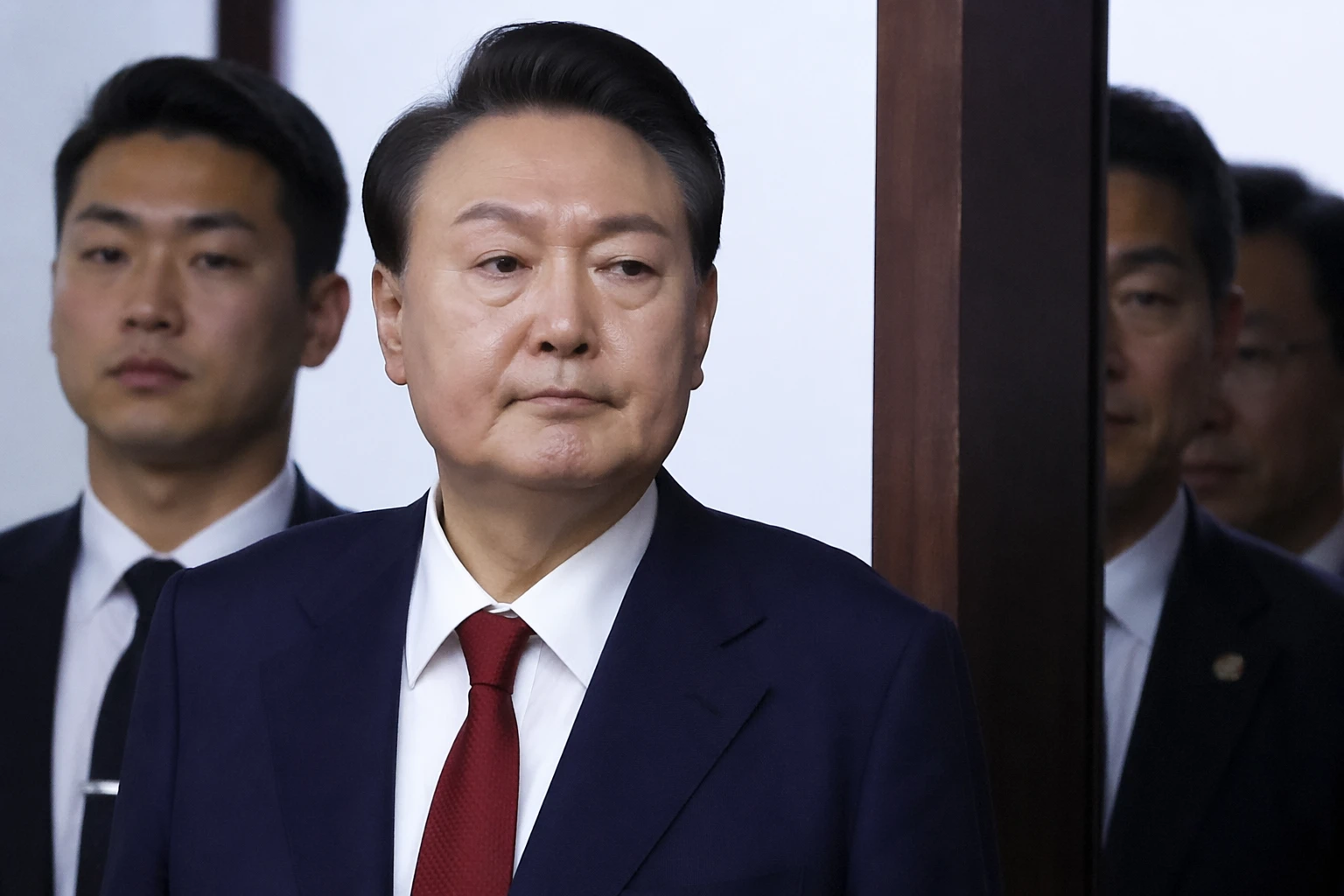
Yoon denied the charges, saying he had not requested the polls or promised anything in return. His legal team said it would appeal, ensuring the first-trial verdict will remain in play as the case moves through the courts. Myung Tae-kyun, who was indicted on the same charges, received a one-year-and-six-month prison sentence and was taken into custody.
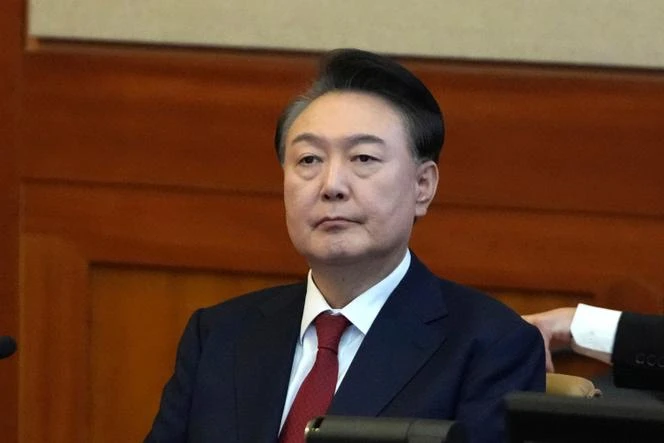
The sentence lands only days after South Korea’s Supreme Court upheld a separate seven-year prison term for Yoon on July 9, 2026, in an arrest-obstruction case tied to the fallout from his December 3, 2024 martial law declaration. That ruling was the first final decision among eight criminal cases Yoon is facing, a legal web that now reaches from the martial-law episode to campaign-finance misconduct.

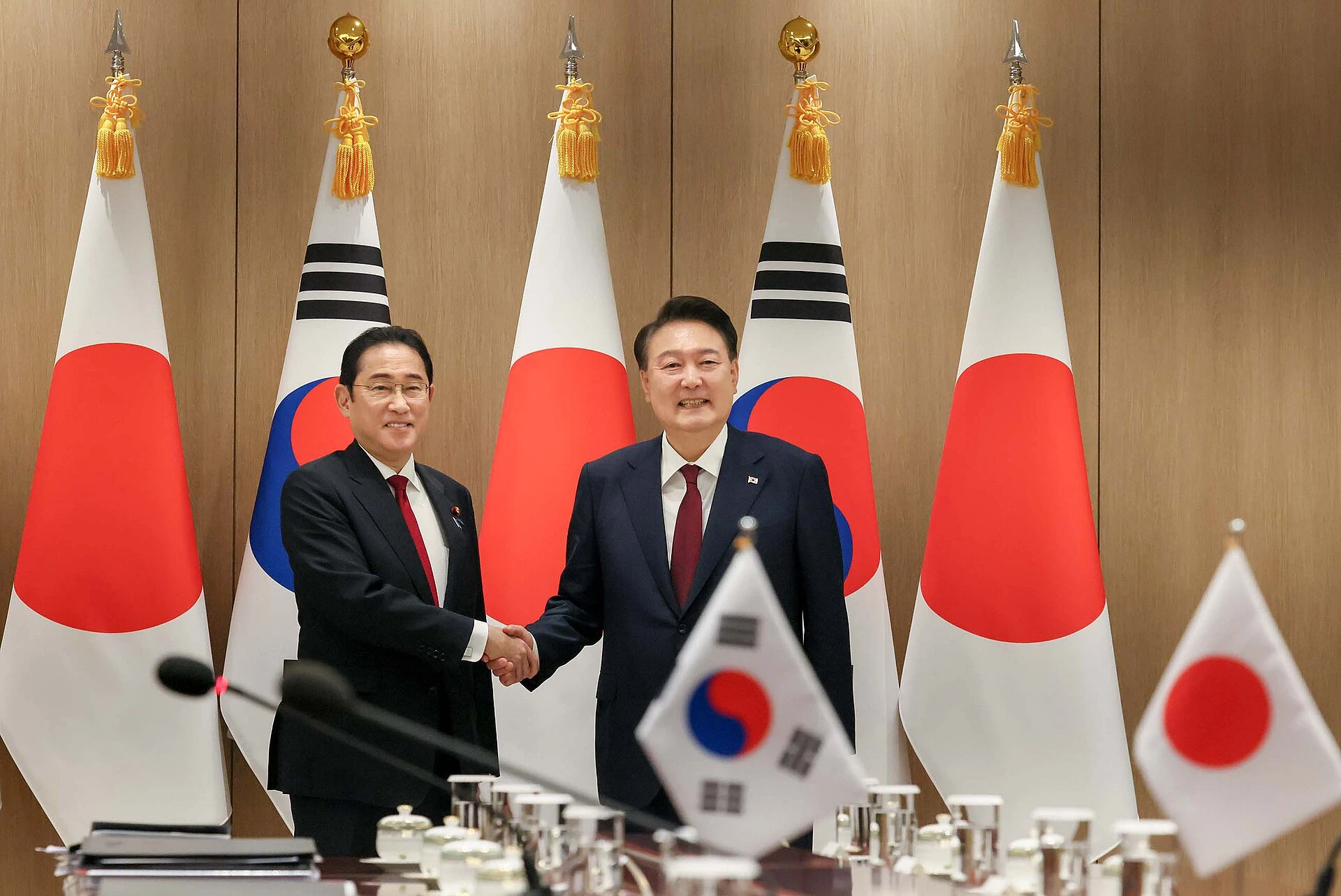
For South Korea, the case is another reminder that former presidents can move quickly from the center of state power to the center of criminal proceedings. It also shows how deeply the political damage from Yoon’s presidency continues to run inside the conservative camp and across the broader public debate, where a dispute over polling has become part of a larger reckoning over institutional accountability.
Sources
- [1]wsau.com
- [2]usnews.com
- [3]ajupress.com
- [4]chosun.com
- [5]en.sedaily.com