Lifestyle
South Korea Embraces Wellness and Self-Care Boom
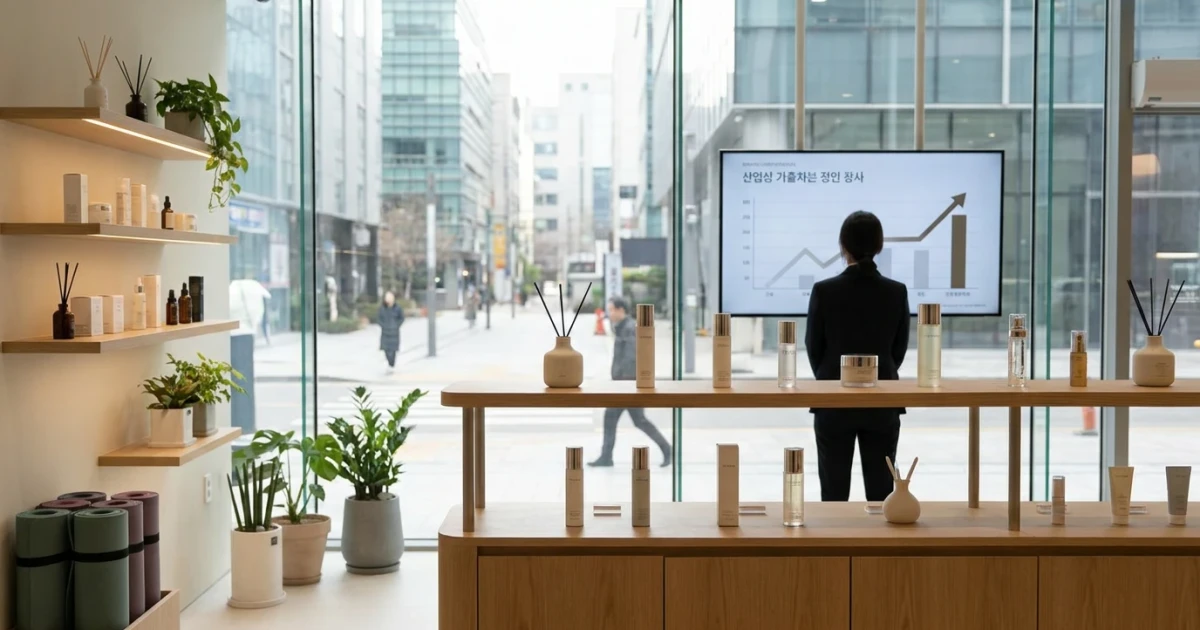
South Korea is witnessing a significant expansion in its health and wellness market, fueled by evolving lifestyle choices and a surge in self-care trends. As consumers increasingly prioritize personal health and well-being, the sector has responded with new products, services, and initiatives that are transforming the landscape of wellness in the country.
Rising Demand for Wellness and Self-Care
Recent years have seen South Koreans adopt more holistic approaches to health, focusing not just on medical care but also on preventive wellness, mental health, nutrition, and fitness. According to official health statistics, the country continues to invest heavily in public health, with increases in wellness program participation and improved health indicators across the population.
- Participation in fitness clubs and yoga studios has risen by over 20% in the last five years.
- Sales of dietary supplements and organic foods are growing steadily, reflecting a shift toward natural and preventive health solutions.
- Government-backed health promotion policies now emphasize self-care, mental wellness, and lifestyle interventions.
Market Growth and Consumer Trends
The health and wellness market in South Korea is estimated to be worth billions of dollars, with growth rates outpacing other sectors. Industry reports highlight several key trends:
- Rising consumer interest in wearable technology and health monitoring devices, enabling users to track fitness, sleep, and nutrition.
- Expansion of wellness-focused retail, including organic supermarkets, specialty skincare boutiques, and online platforms for health products.
- Increasing integration of health and wellness into daily routines, with South Koreans spending more time and resources on self-care activities.
Statista’s data shows that younger demographics are particularly engaged, with millennials and Gen Z driving demand for innovative wellness experiences, personalized nutrition, and digital health solutions.
Government Initiatives and Policy Support
The Ministry of Health and Welfare has launched new health promotion initiatives to encourage healthy living. These include:
- Expanded access to preventive screenings and wellness counseling
- Subsidies for community fitness programs and healthy eating campaigns
- Support for research on lifestyle diseases and health outcomes
Data from the Korea Health Promotion Institute indicates positive results, with improved national health statistics and increased public awareness of wellness behaviors.
Comparative Insights and Global Context
South Korea’s wellness market is part of a broader regional trend, as illustrated by OECD health data comparing Asia-Pacific countries. South Korea stands out for its high rates of health literacy, strong government involvement, and rapid adoption of wellness innovations.
According to a Euromonitor market report, consumer preferences are shifting toward natural, sustainable, and technologically integrated wellness solutions. South Korea’s market is characterized by a blend of traditional health practices and cutting-edge innovation, making it a leader in the region.
Looking Ahead
As South Korea continues to embrace wellness and self-care trends, experts anticipate further market growth and diversification. The intersection of technology, policy, and consumer behavior is likely to drive new opportunities for industry players and improve public health outcomes.
For readers interested in exploring deeper data and policy details, official resources from the Korean statistical bureau, Statista, and Ministry of Health and Welfare offer comprehensive data and policy frameworks.
South Korea’s health and wellness market is poised for continued evolution, with lifestyle and self-care trends at its core. As consumer expectations rise and government support strengthens, the country’s wellness sector is set to play a pivotal role in shaping healthier futures.