World
South Korea enacts tougher fake news law, critics warn of censorship
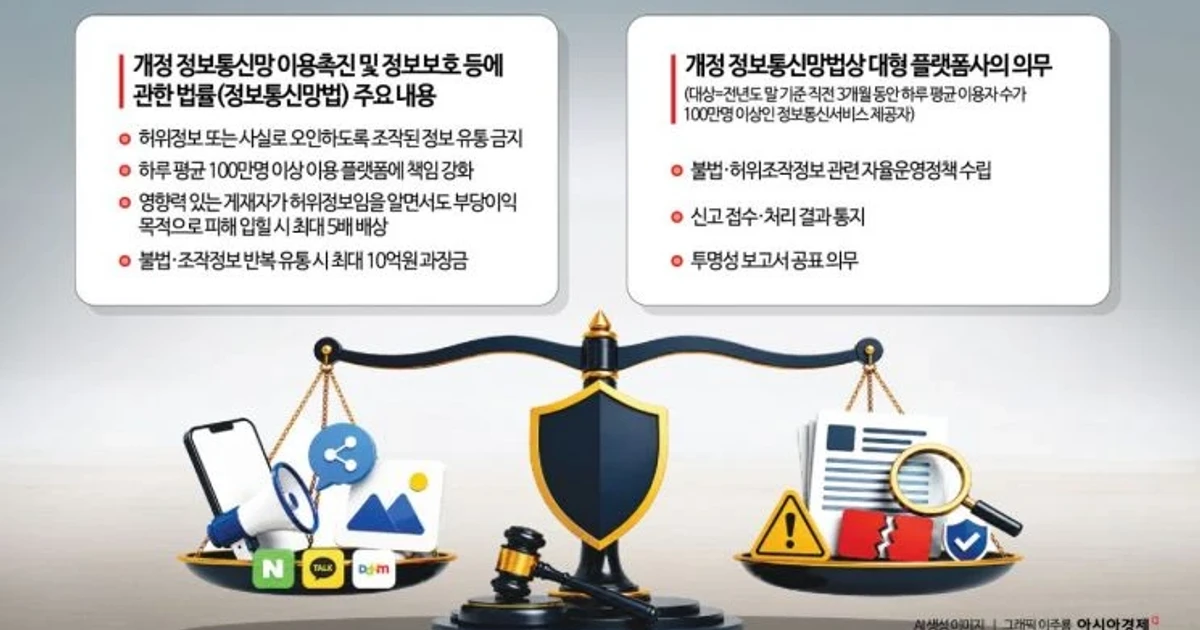
South Korea’s revised Information and Communications Network Act took effect on Tuesday, July 7, giving victims a new route to seek punitive damages of up to five times their actual losses when maliciously spread false or manipulated information appears online. The law also forces major platforms to build reporting and response systems for alleged misinformation, placing the country’s largest online publishers under closer pressure.
The amendment reaches accounts with more than 100,000 subscribers or content averaging more than 100,000 monthly views, a threshold aimed at high-reach publishers rather than small, private users. Under the new rules, false or manipulated information is defined as content whose whole or partial substance is untrue, or altered in a way that misleads audiences into believing it is factual, a broad standard that could apply to a wide range of political posts, commentary, and viral video clips.
Prime Minister Han Seong-sook said the revised law was meant to minimize the harm caused by false information while still guaranteeing freedom of speech. The measure responds to rising concern over misinformation, the growing influence of social media, and the spread of generative AI. South Korea’s National Assembly passed the bill in December 2025, and the Cabinet approved promulgation on December 30, 2025.
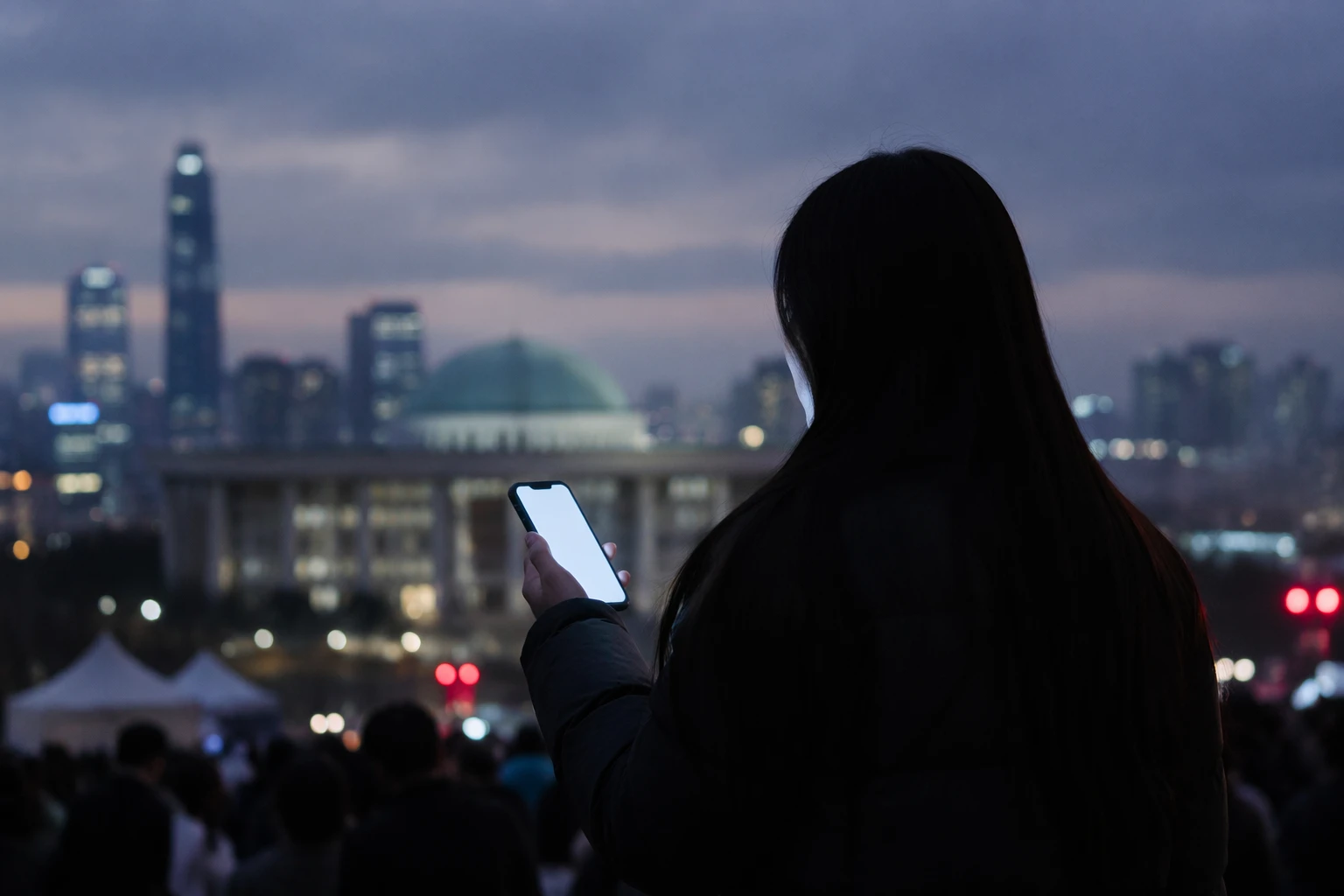
The politics around the law have been as combative as the enforcement mechanism. The Democratic Party of Korea has backed the amendment as a way to strengthen accountability, while the People Power Party has warned that it risks putting gags on the public. Journalist groups and rights advocates warn the vague wording could invite censorship or self-censorship, especially for critical reporting and platform speech that lands close to the line between error and accusation.
A surge in online misinformation followed the failed martial law attempt in December 2024. Human rights groups have warned of pressure on freedom of expression and media scrutiny.
Sources
- [1]nytimes.com
- [2]en.yna.co.kr
- [3]koreaherald.com
- [4]koreatimes.co.kr
- [5]upi.com
- [6]hrw.org