Technology
South Korea Expands Support for Homegrown Tech Startups
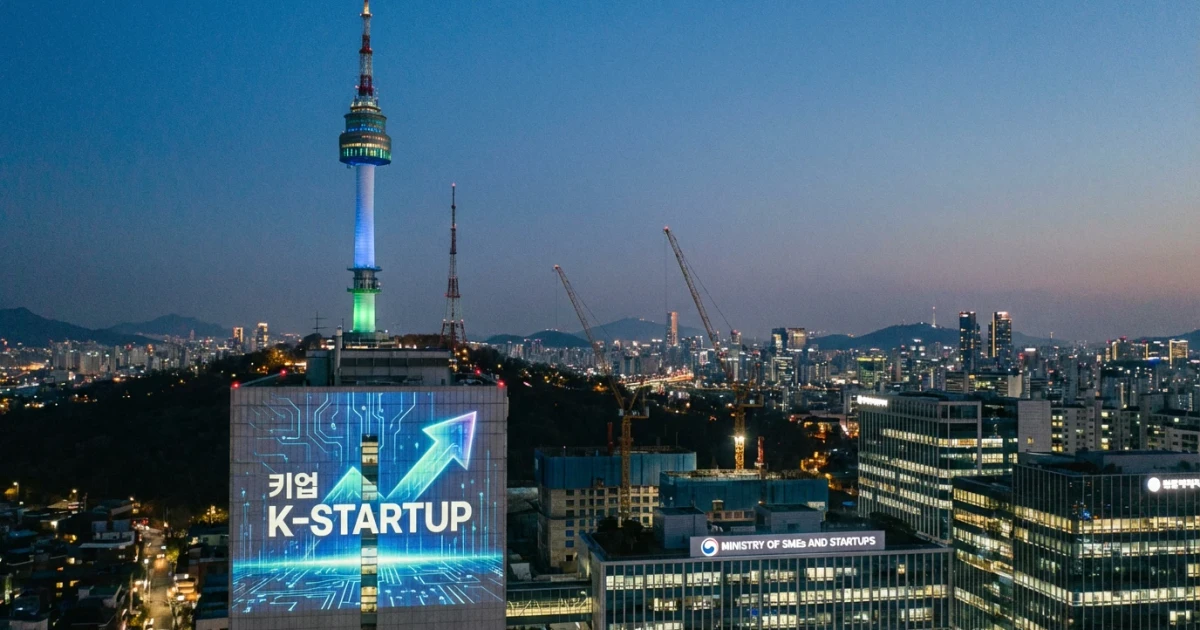
South Korea is intensifying its push to nurture domestic tech startups, aiming to bolster its sovereign technological capacity and reduce reliance on foreign technologies. This strategic focus comes as the country faces heightened competition in the global tech landscape and seeks to consolidate its position as a leading innovation hub in Asia.
Government Ramps Up Startup Support
According to reporting from Australian Defence Magazine, Seoul is prioritizing homegrown startups, especially in the fields of artificial intelligence, semiconductors, and cybersecurity. The K-Startup platform, the central government’s hub for startup support programs, has seen a marked increase in applications and funding for early-stage companies specializing in critical and emerging technologies.
- South Korea is currently home to more than 15,000 startups, with the majority focusing on ICT, biotech, and advanced manufacturing.
- Investment in domestic startups reached nearly USD 7 billion in 2025, reflecting steady growth over the past five years.
- The Ministry of SMEs and Startups has expanded support schemes, including R&D grants, tax incentives, and equity funding targeted at tech ventures.
Focus on Sovereign Technology Capacity
The push for sovereign capacity in technology is driven by both economic and security imperatives. South Korea’s reliance on imported semiconductor components and software has been flagged as a vulnerability, especially amid ongoing global supply chain disruptions. Recent government policy reviews emphasize the importance of cultivating domestic alternatives in critical technology domains.
An OECD analysis of South Korea’s startup ecosystem highlights the country’s robust R&D infrastructure and highly skilled workforce, but notes challenges such as scaling, internationalization, and a still-conservative investment environment. Policy reforms are now seeking to address these bottlenecks by:
- Streamlining startup visa processes for foreign talent
- Expanding public-private partnership funds for deep tech ventures
- Encouraging commercialization of university and defense lab research
Industry Reaction and Ecosystem Growth
Industry stakeholders have welcomed the government’s renewed emphasis on domestic innovation. According to StartupBlink rankings, South Korea now ranks among the top 20 startup ecosystems globally, with Seoul and Busan emerging as key tech clusters. The focus on sovereign capacity is also expected to drive new opportunities for collaboration between established chaebols and emerging startups, spurring further investment in sectors such as defense technology, fintech, and healthcare AI.
Recent data from the Korea International Trade Association indicates that startup-led exports in high-tech categories have risen by 12% year-on-year, underscoring the growing global footprint of South Korean ventures.
Challenges and Future Outlook
Despite the promising momentum, analysts caution that regulatory hurdles, risk-averse investment patterns, and competition from larger economies like China and the US remain significant challenges. Sustaining the current growth trajectory will require ongoing policy refinement and greater integration with international markets.
Looking ahead, South Korea’s commitment to expanding its domestic tech startup ecosystem is poised to yield dividends in both economic resilience and strategic autonomy. Continued government support, coupled with increased private sector engagement, will be critical to ensuring that homegrown startups can scale globally and deliver on the nation’s ambitions for technological leadership.