Business
South Korea exports set for fastest growth since 1978 on chip boom
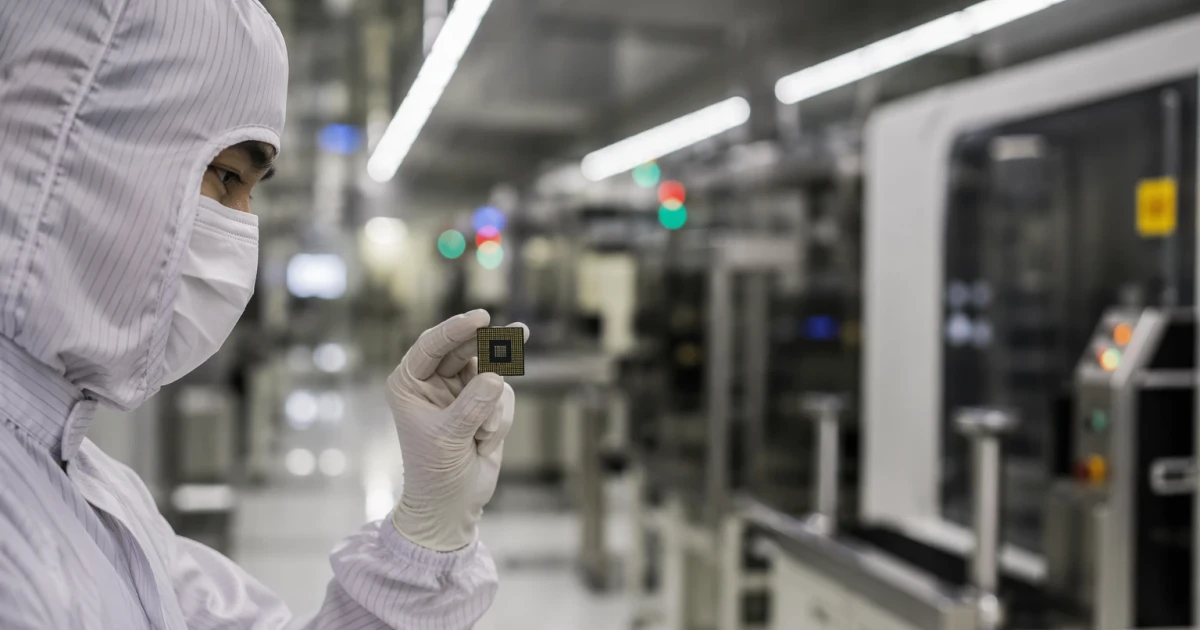
South Korea’s exports were on course in June for their fastest annual growth since October 1978, as semiconductor shipments set fresh records and global investment in artificial intelligence kept memory-chip demand elevated. A Reuters poll of 13 economists put June export growth at 61.0% year over year, above May’s 53.4% pace.
The strongest momentum was in chips. Korea Customs Service data showed exports for June 1-20 reached a record $62.0 billion, up 60.4% from a year earlier, with semiconductor shipments jumping 188.4% to $25.5 billion. Chips accounted for 41.2% of total exports in the period, underscoring how heavily the country’s trade performance now rests on the global appetite for advanced memory used in AI systems and data centers.
The same data showed the trade surplus widening to $17.5 billion. Average daily exports rose to $4.13 billion, up 49.7% from a year earlier, helped by one more working day than in the same period last year, when there were 14. The June 1-20 total also topped the previous record for the same stretch, set at $54.3 billion in March, signaling how quickly the export surge has accelerated.
Samsung Electronics and SK Hynix have been the main beneficiaries of the rebound, as rising memory-chip prices and the rush to build out AI hardware feed through to Korea’s factory gate. An Ki-tae of NH Investment & Securities said chip prices and rising token usage at the world’s major language models should keep memory-chip exports strong. That link between AI usage and industrial output is now visible in South Korea’s trade numbers, which are acting as a real-time gauge of global technology spending rather than a narrow reading of one country’s economy.
The broader picture remains less secure than the chip boom alone suggests. South Korea’s export base is unusually exposed to global trade flows, high-value manufacturing and outside demand, so the current surge still depends on the world economy staying strong enough to absorb Korean goods. If trade tensions intensify or supply disruptions spread, the same concentration that is now delivering a historic windfall could become a source of vulnerability.
Sources
- [1]money.usnews.com
- [2]koreapro.org
- [3]en.sedaily.com
- [4]biz.chosun.com
- [5]ajupress.com
- [6]wixx.com