Health
South Korea issues first-ever emergency heat-wave alert as temperatures soar
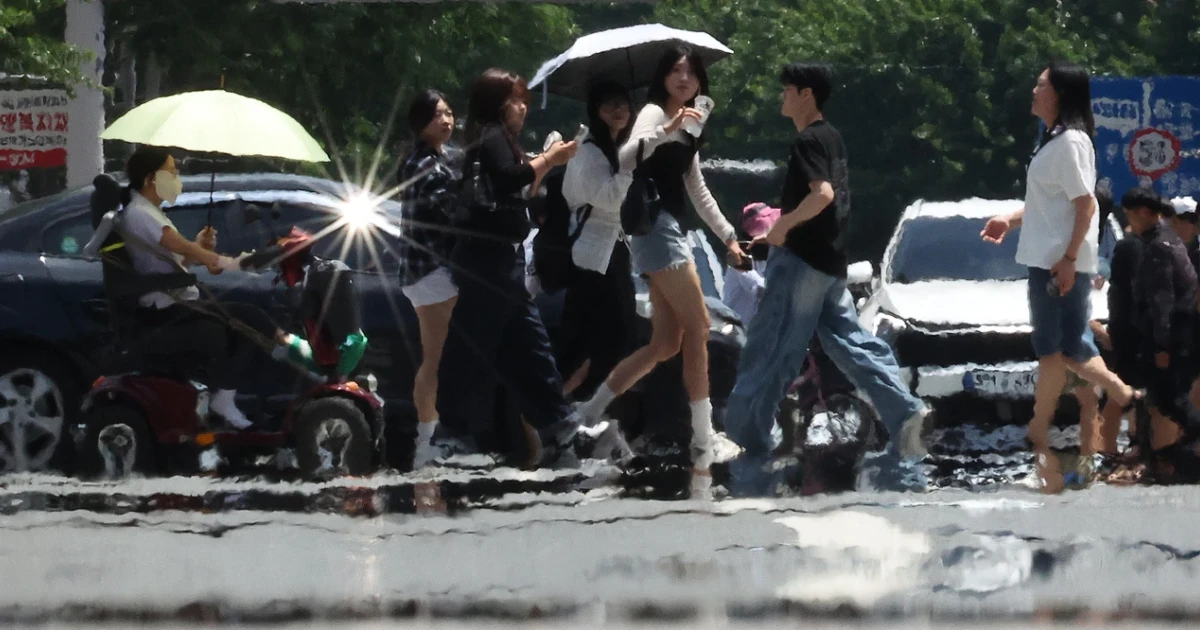
South Korea activated its first emergency heat-wave alert on July 12, sending officials into an all-government response as dangerous heat built across North Gyeongsang Province. The Korea Meteorological Administration raised the top-tier warning for Gyeongsan and Pohang after temperatures climbed into the high 30s.
The alert is the highest level in South Korea’s revised three-stage heat system, which took effect on June 1 and replaced a two-tier structure made up only of a heat-wave advisory and a heat-wave warning. Under the new framework, the emergency level can be issued when an area already under a heat-wave warning is forecast to reach a perceived temperature of at least 38 degrees Celsius or an actual air temperature of at least 39 degrees for one day.
Gyeongsan recorded 37.9 degrees and 39.9 degrees in Hayang-eup, while parts of Pohang reached 37.2 degrees. The heat was being driven by the North Pacific and Tibetan high-pressure systems. The KMA identified North Gyeongsang Province as one of the regions most likely to trigger the new threshold after reviewing heat data from 2016 to 2025. In that analysis, Gyeongsan would have met the emergency criteria an average of 3.1 times a year, the highest frequency among advisory regions nationwide.
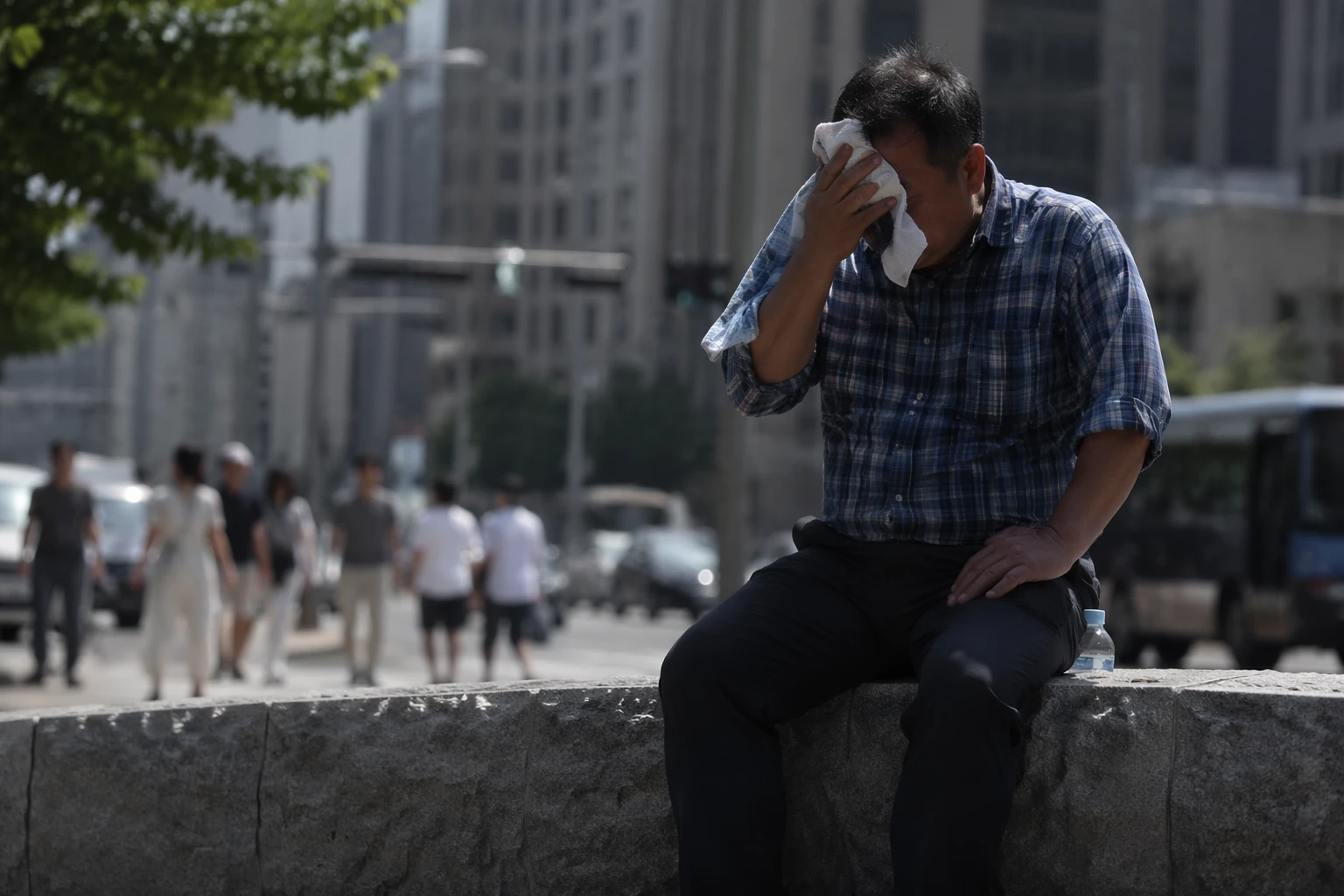
The overhaul was the first major revision to South Korea’s heat alert system in 18 years. Alongside the new emergency tier, the KMA expanded heat-warning zones from 183 to 235 areas so alerts could better reflect differences inside the same city, including riverside districts, inland neighborhoods and densely built urban blocks. The agency also added a tropical night advisory for nights at or above 25 degrees, with higher thresholds for some large cities and Jeju Island.
The Korea Disease Control and Prevention Agency puts death risk 16 percent higher when real-feel temperatures exceed 38 degrees or air temperatures top 39 degrees. The KMA found that heat-illness patients can rise by as much as 90 percent during tropical nights even when daytime temperatures do not change.

Authorities told residents to stop outdoor activity, move to cool shelters, rest in shaded places and drink water or sports drinks instead of caffeinated drinks or alcohol. On the day of the alert, the KMA and the Ministry of the Interior and Safety ordered ministries and local governments to expand cooling shelters, watch vulnerable residents more closely and prepare for higher electricity demand. Hospital data showed 99 people were taken to emergency rooms nationwide for heat-related illness on Saturday, up from 21 the day before.
Sources
- [1]straitstimes.com
- [2]ajupress.com
- [3]koreaherald.com
- [4]koreatimes.co.kr
- [5]en.yna.co.kr
- [6]en.sedaily.com