Technology
South Korea jails former SK Hynix employee over chip tech leak
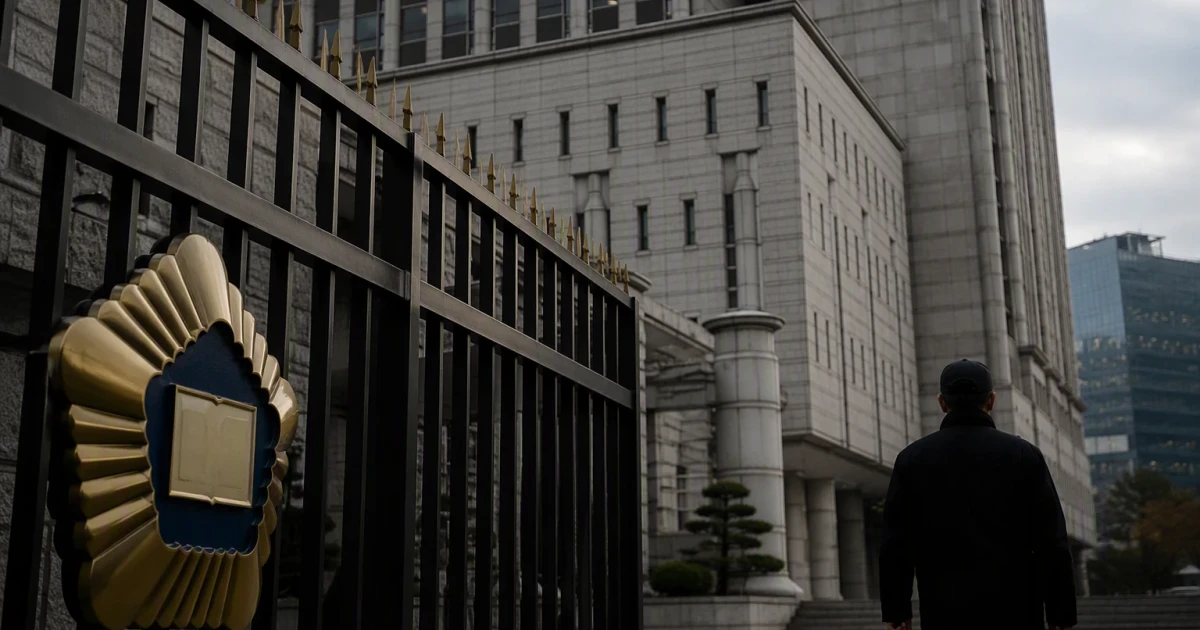
A South Korean court jailed former SK Hynix employee Jeon Mo for 18 months after finding that he leaked semiconductor manufacturing information to a Chinese firm. The sentence lands in one of South Korea’s most sensitive industries, where a single cache of process details can carry as much strategic value as a factory line.
SK Hynix is one of the world’s leading memory-chip makers and a crucial supplier to the AI data-center buildout, and the company has said it planned to invest $75 billion by 2028 in AI and chips. That makes leaks involving advanced memory technology, manufacturing processes, customer information and product road maps more than a personnel dispute. In a market where innovation cycles are short and margins are tight, those files can help a rival move faster without paying the same development cost.
The case also fits a pattern in South Korea’s courts. In November 2024, another former SK Hynix worker was sentenced to 1.5 years in prison for stealing core chip technology. That case involved about 4,000 pages of technical documents on chipmaking solutions that the worker printed before leaving to work for Huawei, along with a 20 million fine, about $14,300. Related coverage said it was not proven that Huawei received the information.
A broader line of cases has followed. In September 2023, an SK Hynix subcontractor executive received a one-year prison sentence for leaking core technology to China. In May 2025, an appeals court handed a Chinese former SK Hynix worker five years in prison for a technology leak. Together, those rulings show how aggressively South Korean prosecutors and judges have come to treat chip leaks as industrial espionage rather than routine employee misconduct.
The stakes extend beyond one company. South Korea’s semiconductors are a strategic national asset, and companies across the sector have been tightening internal controls, access restrictions and monitoring as talent moves more easily between firms and foreign competitors press for process knowledge. As Washington, Seoul and other allies harden export controls and pour money into domestic chip capacity, cases like Jeon’s have become part of the broader contest over who controls the know-how behind the next generation of memory chips.
Sources
- [1]reuters.com
- [2]aol.com
- [3]asiafinancial.com
- [4]en.yna.co.kr
- [5]koreatimes.co.kr