Business
South Korea launches 24-hour won trading to woo global investors
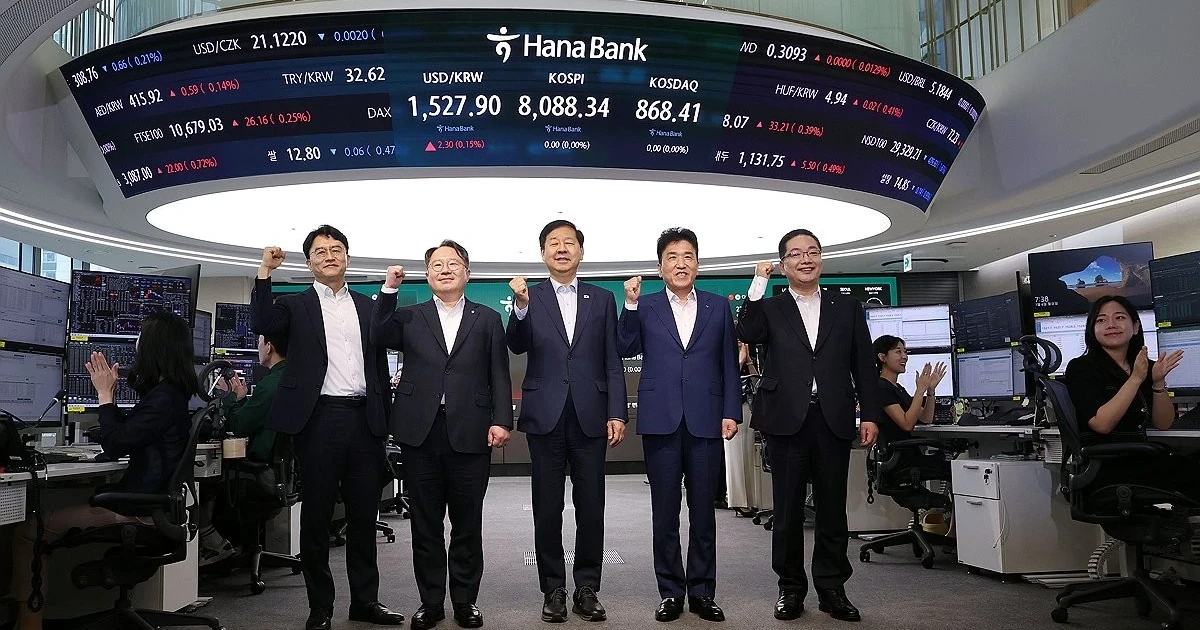
South Korea opened its onshore spot dollar-won market around the clock, extending trading from 6 a.m. Monday to 6 a.m. Saturday in Seoul and putting the currency within reach across Asian, European and U.S. trading hours. Finance Minister Koo Yun-cheol, who also serves as deputy prime minister for economic affairs, called the reform the “starting point for the won’s global leap.”
The launch ceremony took place at Hana Bank’s headquarters in Seoul, where Koo visited the foreign exchange dealing room with Bank of Korea Deputy Governor Kwon Min-soo and other officials. The move is meant to make the won more usable for foreign investors and to reduce the structural frictions that have long made Korea’s market less convenient than those in other advanced economies. By eliminating the old session-based schedule, Seoul is trying to give exporters, importers and funds a chance to hedge currency risks in real time instead of waiting for the next domestic opening.
The timing matters well beyond South Korea’s borders. A 24-hour won market gives U.S.-based traders and asset managers a live window into the currency during American business hours, when dollar liquidity and overnight volatility can shape pricing far from Seoul. For global funds, the change should make it easier to transact when positions are being adjusted in New York or London rather than forcing trades into a narrow Asian session. That is why the reform has been framed not just as a technical market upgrade but as a step toward a more globally connected capital market.

The government has linked the trading change to its long campaign for MSCI developed-market status. MSCI kept South Korea in its emerging-market category in its June 24 review, citing long-standing accessibility problems in the onshore foreign exchange market. MSCI said the Korean won is not deliverable offshore and that onshore liquidity during extended FX hours remains insufficient. That leaves a gap between South Korea’s economic scale and its market classification, even as FTSE Russell has treated Korea as a developed market since 2009.
Seoul had already planned a trial period beginning June 29 before the full rollout, and earlier steps tied to the reform included eased reporting requirements for non-residents, simplified registration procedures and an offshore won settlement system. The launch marks a clear modernization push, but the test now is whether continuous trading produces deeper liquidity and thinner spreads, or whether it remains a symbolic reform aimed more at perception than market structure.