World
South Korea orders all-out response as punishing heatwave worsens
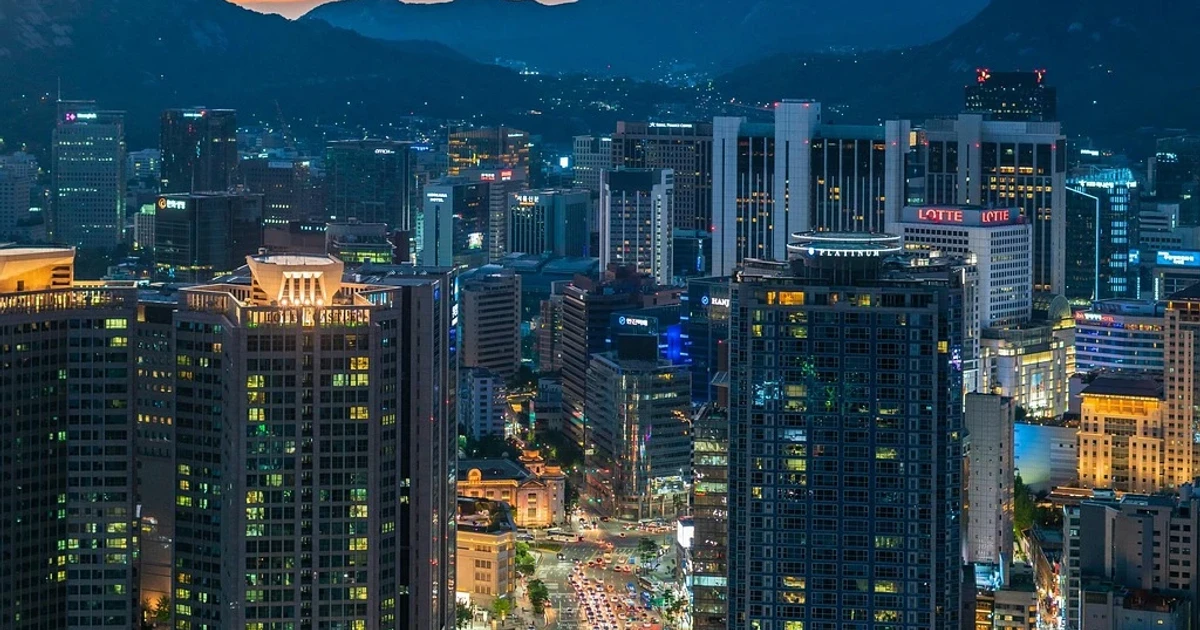
South Korea’s president ordered an all-out response to the country’s punishing heatwave on Aug. 6, pushing ministries and local governments into a coordinated emergency effort as temperatures, power demand and health risks all rose at once. Lee Jae Myung’s move came after days of escalating warnings that the heat had become a national crisis, not a routine summer spell.
The order was aimed at practical relief: wider access to cooling centers, sharper alerts for people living alone, checks on older residents and tighter guidance for employers with outdoor crews. That matters in a country where construction workers, delivery drivers, farmers and factory employees can face long hours in dangerous heat, while air-conditioning use pushes the grid harder and leaves officials watching for strain on supply.
The pressure had been building for days. On Aug. 3, the record heatwave was spreading across the Korean Peninsula and prompting emergency responses. By Aug. 4, Lee had urged authorities to step up support as the heatwave killed 16 people. Later that same day, he called the heatwave a national disaster as the death toll rose to 19.
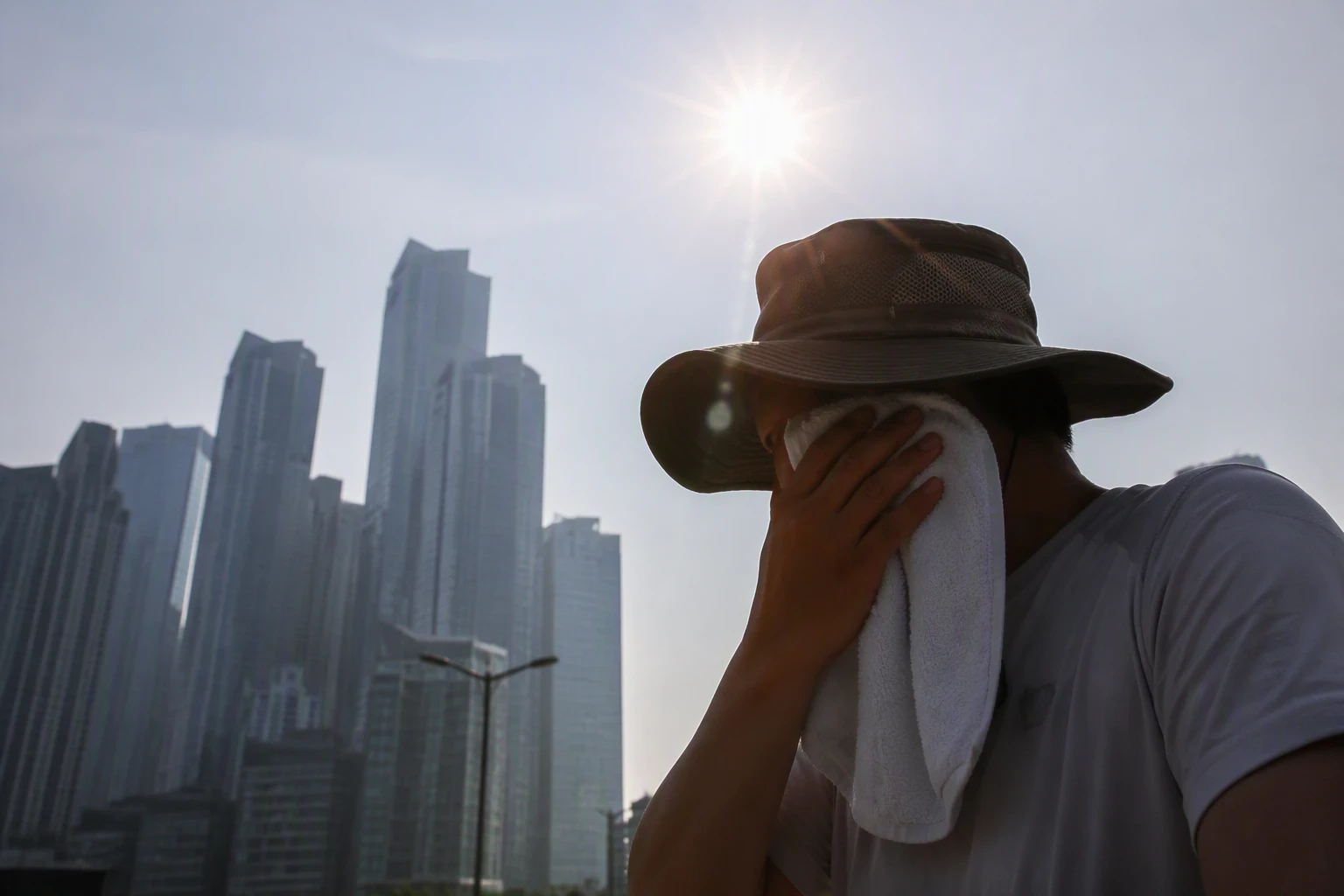
The scale of the emergency was visible in the weather itself. Seoul was forecast to reach 39 C, or 102 F, as the heat peaked, while Yangsan logged 41.4 C on July 31, the highest temperature ever recorded in South Korea. A Reuters-captioned image on Aug. 5 said Yangsan had recorded the country’s highest temperature in 122 years of weather observations.
Health officials have also been tracking the human toll. South Korea had reported more than 2,000 heat-related illnesses since mid-May, with suspected deaths concentrated among older people. That is why the government’s response has centered on public safety and direct outreach to at-risk residents, especially elderly people and those with preexisting conditions who can deteriorate quickly in extreme heat.

The crisis is now testing how South Korea governs climate-linked extremes: whether emergency advisories, cooling facilities and work restrictions can keep pace with record temperatures, and whether the state can protect vulnerable residents while keeping cities, hospitals and the electricity system functioning through the hottest stretch of the summer.
Sources
- [1]reuters.com
- [2]wmbdradio.com
- [3]koreaherald.com
- [4]climatecentral.org
- [5]english.kyodonews.net
- [6]dw.com
- [7]aa.com.tr
- [8]abc.net.au