World
South Korea records its hottest day ever as heatwave intensifies

South Korea set a new national heat record of 41.4 C in Yangsan, in the southeastern part of the country, with the reading logged at about 1:40 p.m. local time on July 31. The mark beat the country’s previous all-time high of 41.0 C, set in Hongcheon in August 2018, and underscored how quickly extreme heat is becoming a public safety issue as well as a weather statistic.
The spike did not stand alone. Yangsan had already endured temperatures above 40 C for three consecutive days, and the Korea Meteorological Administration forecast daytime highs of 32 C to 37 C nationwide, with the southeast still especially hot. The scorching spell was expected to persist into the first week of August, extending pressure on residents, emergency planners and businesses that depend on stable electricity and transport.
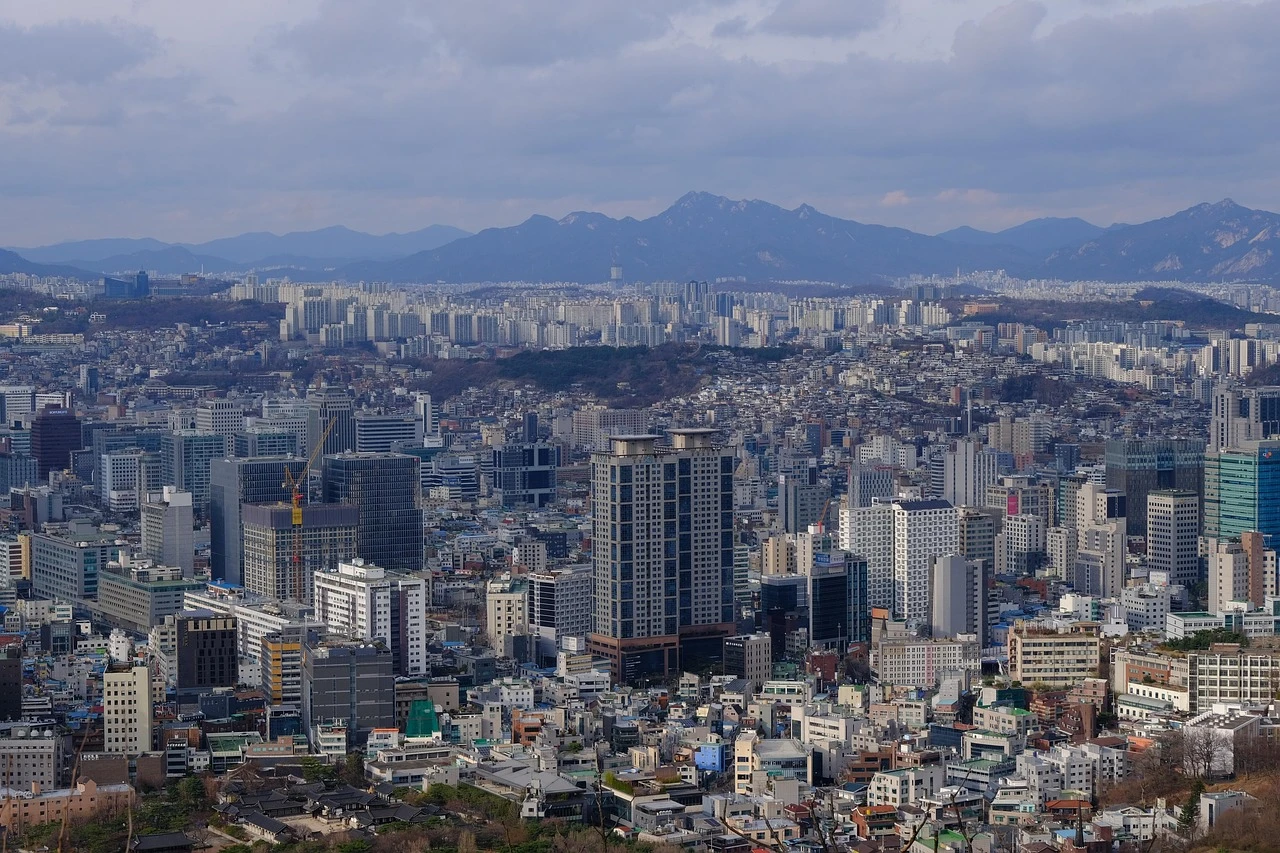
A record at that level reaches far beyond discomfort. It raises the risk of heatstroke, dehydration and cardiovascular complications, especially for older people, children, outdoor workers and people with chronic illnesses. Hospitals and local governments often have to shift into higher-alert mode during severe heat, while schools, construction sites, farms and delivery services all face disruptions when temperatures stay elevated through the workday. In cities, the urban heat island effect can make matters worse, because concrete, asphalt and tall buildings hold heat after sunset and reduce the overnight relief that many people need to recover.
The strain can also spread through the economy. As more households and offices run cooling systems at once, electricity demand climbs sharply, increasing the risk of shortages and outages. Water supplies, transportation networks and agriculture can all feel the effects too, especially if high temperatures persist alongside limited rainfall. The result is a test of whether public infrastructure, labor protections and emergency systems are built for a climate in which record heat is no longer rare.
South Korea has already been moving through a run of severe summers. In July 2025, the country had its hottest July since records began, with temperatures above 40 C in parts of the country. The 41.4 C reading in Yangsan now sets a new benchmark, and it arrives as governments across East Asia confront the same reality: extreme heat is no longer a temporary surge, but a recurring demand on health systems, workers and the urban fabric itself.
Sources
- [1]reuters.com
- [2]straitstimes.com
- [3]asiae.co.kr
- [4]m.ajupress.com
- [5]aa.com.tr
- [6]en.yna.co.kr
- [7]pmc.ncbi.nlm.nih.gov