Politics
South Korea seeks 13-year sentence for Unification Church leader Han Hak-ja
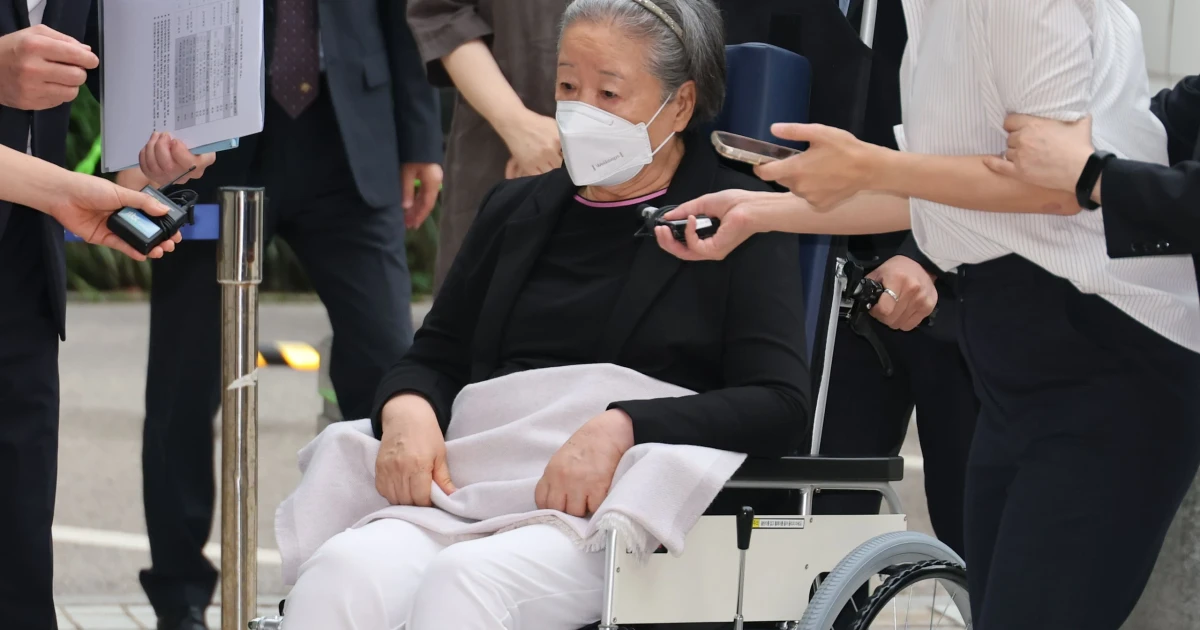
A special prosecutor in Seoul asked for a 13-year prison sentence for Unification Church leader Han Hak-ja on July 10, putting the 82-year-old widow of founder Sun Myung Moon at the center of South Korea’s most politically charged corruption case. The request came as the first trial moved into closing arguments at the Seoul Central District Court.
Prosecutors led by Min Joong-ki said Han used church resources and influence to win improper access to power, including allegations that a luxury necklace and Chanel bags were delivered to former first lady Kim Keon Hee through an intermediary in July 2022 while favors were being sought for the church. The sentencing demand was divided into five years for alleged Political Funds Act violations and eight years for other charges, reflecting how the case has been framed as more than a personal scandal and more like an attack on the boundary between religion and politics.
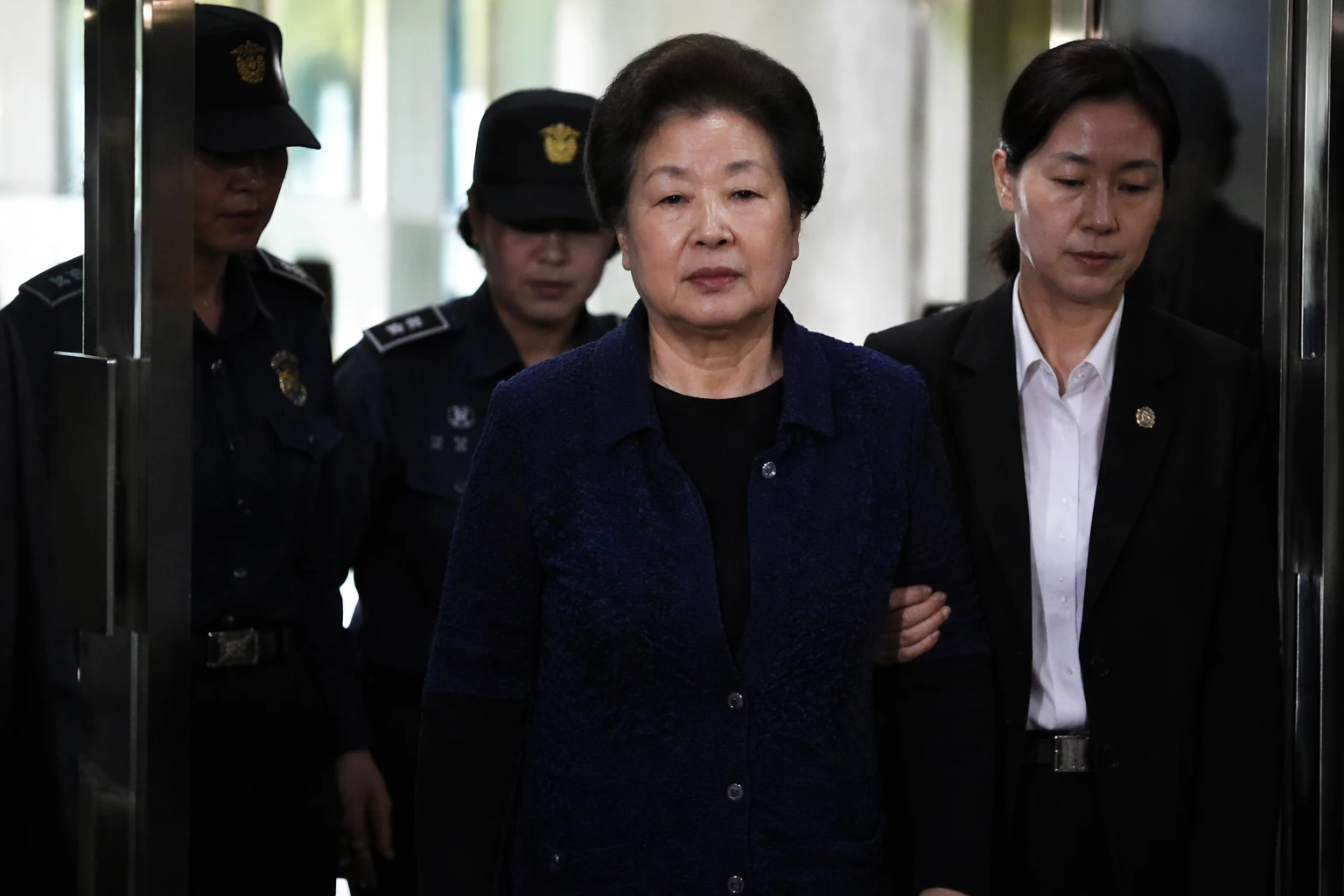
Han has denied the allegations and said a former church official acted on his own. She was detained after an arrest-warrant hearing on Sept. 22, 2025, and the July 10 hearing marked the final phase of the first trial. Prosecutors have tied the case to a wider web of investigations involving ousted President Yoon Suk Yeol and his wife, a link that has made the proceedings a test of how far South Korean institutions are willing to go in confronting elite networks built on access and influence.
The Unification Church, founded in Seoul in 1954 and later renamed the Family Federation for World Peace and Unification, has long been one of South Korea’s most controversial religious movements. It has described itself as active in 194 countries, with official membership in South Korea estimated at 1.2 million, giving the organization unusual reach at home and abroad.
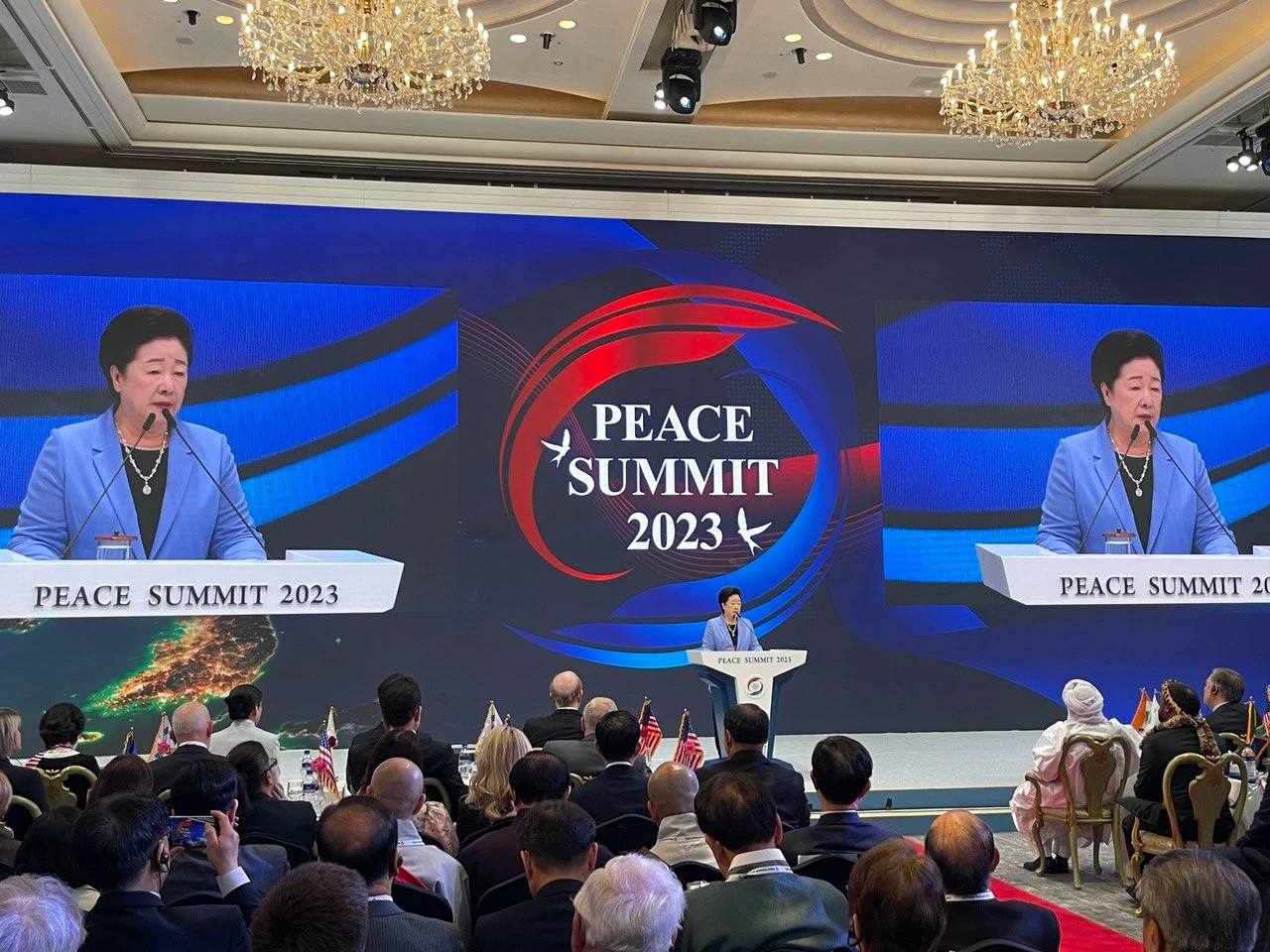
That reach now faces legal pressure on multiple fronts. Japan’s Tokyo District Court ordered the dissolution of the church’s Japanese branch in March 2025, and Japan’s top court finalized that dissolution on June 24, 2026. Together with the Seoul case, the rulings have pushed the church into a broader regional reckoning over fundraising, political ties and the influence religious organizations can exert over conservative politics.
Sources
- [1]japannews.yomiuri.co.jp
- [2]en.yna.co.kr
- [3]en.sedaily.com
- [4]koreaherald.com
- [5]eastasiaforum.org
- [6]news.sbs.co.kr
- [7]ajupress.com