Business
South Korea stocks plunge as regulators warn of overheated chip rally
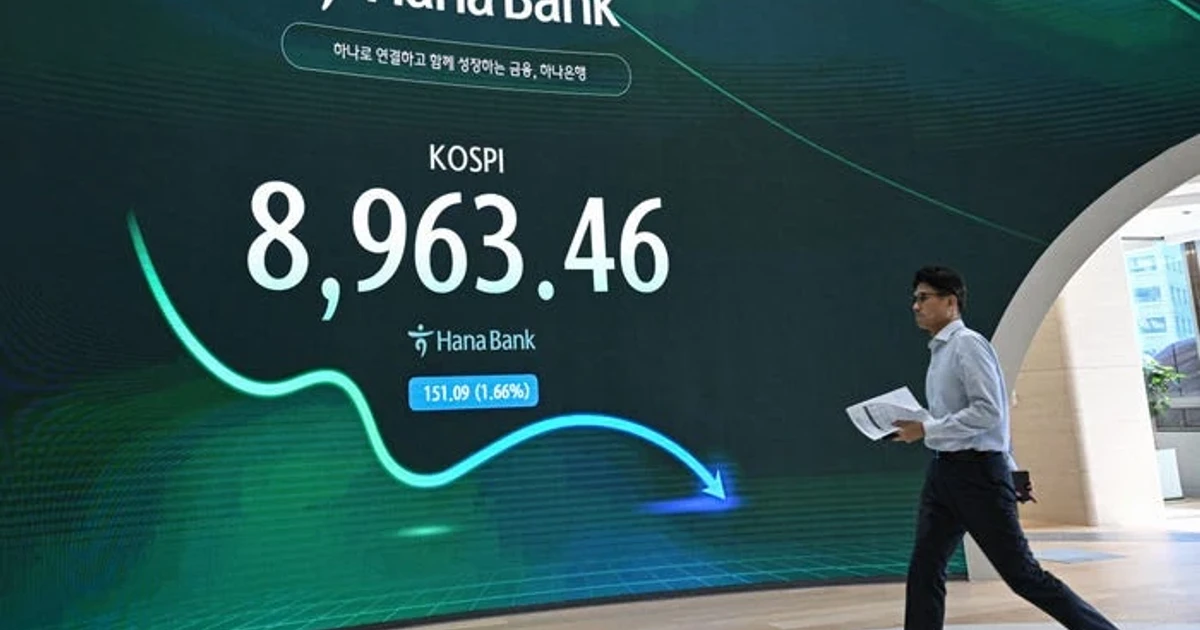
South Korea’s stock market was hit by a sharp reversal after regulators warned that the country’s red-hot chip trade had become overheated, sending investors scrambling out of leveraged positions and into safer assets. The KOSPI fell 9.99% on Tuesday, its steepest drop in more than three months and its biggest daily plunge since March 4, closing at 8,203.84, down 910.71 points.
Samsung Electronics and SK Hynix, the two names at the center of the semiconductor rally, suffered double-digit intraday losses before recovering some ground by the close. The selloff rippled beyond the chip sector as foreign investors cut exposure and futures and bond markets pointed to a broader risk-off mood. In Seoul, the move looked less like an isolated wobble than a crowded trade suddenly losing support.
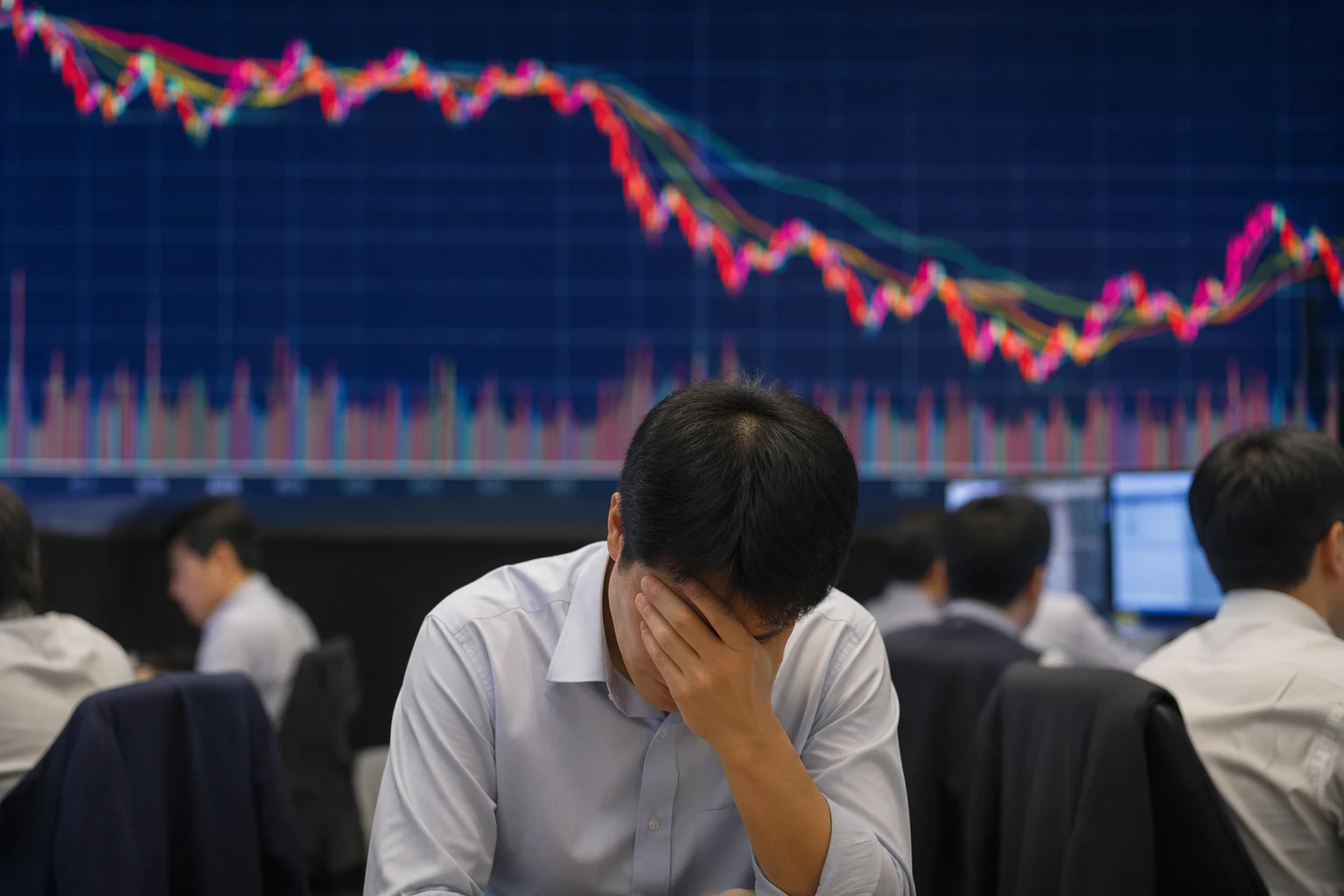
The immediate trigger was regulatory pressure. On June 18, the Financial Supervisory Service warned investors about single-stock leveraged and inverse products tied to chipmakers, saying volatility had increased and prices were swinging sharply in the short term. By June 22, the watchdog was considering stabilizing measures for the leveraged funds, and its chief, Lee Chan-jin, said the agency had been too hasty in approving the products tied to chip stocks. That public regret underscored how quickly official concern had turned into market fear.
The leveraged products were introduced on May 27, with single-stock ETFs tied to Samsung Electronics and SK Hynix drawing about 100,000 investors in a matter of weeks. The Financial Supervisory Service estimated trading commissions from the products at about $3 billion to $6.4 billion, a sign of the scale of retail activity feeding the rally. The warning landed just as margin debt had risen to a record high in June, suggesting speculative appetite was already stretched.
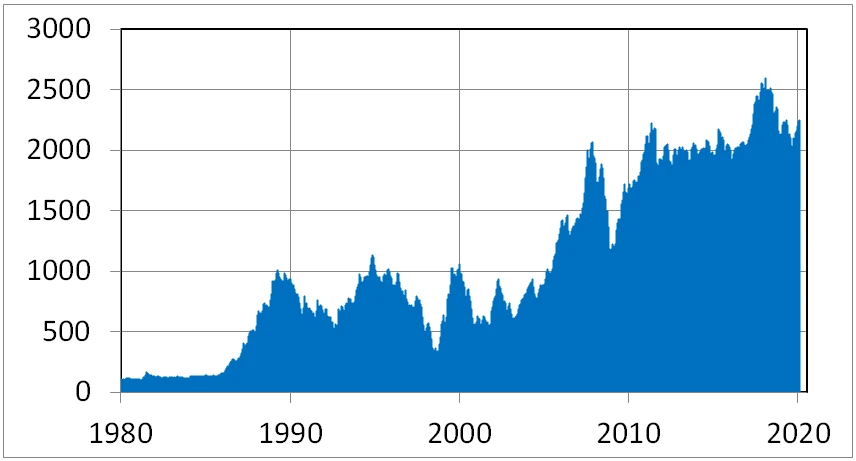
Even after Tuesday’s plunge, the KOSPI was still up 94.67% for the year, while the won had weakened 6.5% against the dollar. That contrast helps explain the violence of the correction: the market was not coming apart from weakness, but unwinding after an exceptional run built around AI enthusiasm, chipmaker momentum and heavy leverage. Earlier June selloffs had already been severe enough to trigger a 20-minute circuit breaker halt, showing how quickly South Korea’s semiconductor-heavy rally had become fragile.
Sources
- [1]msn.com
- [2]channelnewsasia.com
- [3]chosun.com
- [4]kedglobal.com