Technology
South Korea unveils $576 billion AI chip drive with Samsung, SK Hynix
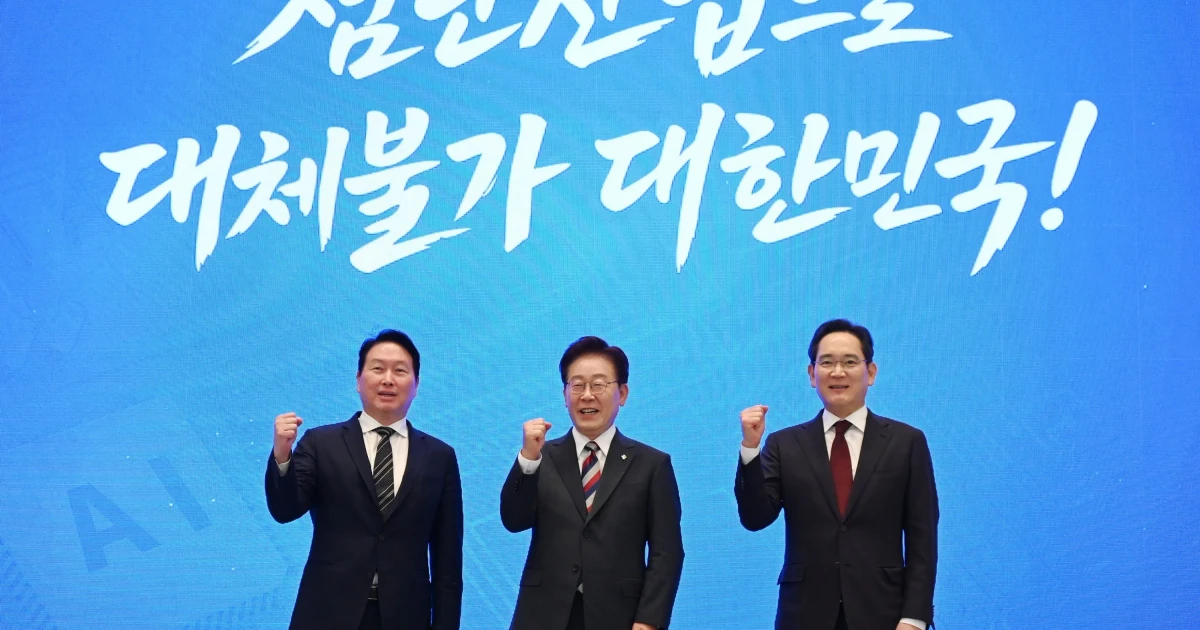
President Lee Jae Myung cast South Korea’s artificial intelligence and semiconductor push as a route to global leadership and a way to rebalance growth away from the Seoul metropolitan area, with Samsung Electronics and SK Hynix at the center of the plan. He described it as a “great leap forward” built on a “triple axis” of semiconductors, physical AI and data centers.
The government’s headline goal is to double the country’s memory-chip production capacity within five years. The Yongin semiconductor cluster, once expected in the mid-to-late 2040s, is now being pulled forward to 2034-2035, about a decade earlier, as the state and its biggest chipmakers try to compress years of construction into a narrower window.
Samsung and SK Hynix are already moving to accelerate work in Yongin. SK Hynix is investing 21.6 trillion won in the cluster’s first fab and clean rooms, and has moved the first clean-room opening up from May to February 2027 to meet customer demand. Samsung is also shortening its own schedule, with plans to build Pyeongtaek Lines 5 and 6 simultaneously rather than sequentially, a change that is expected to shave three to four years off the buildout.
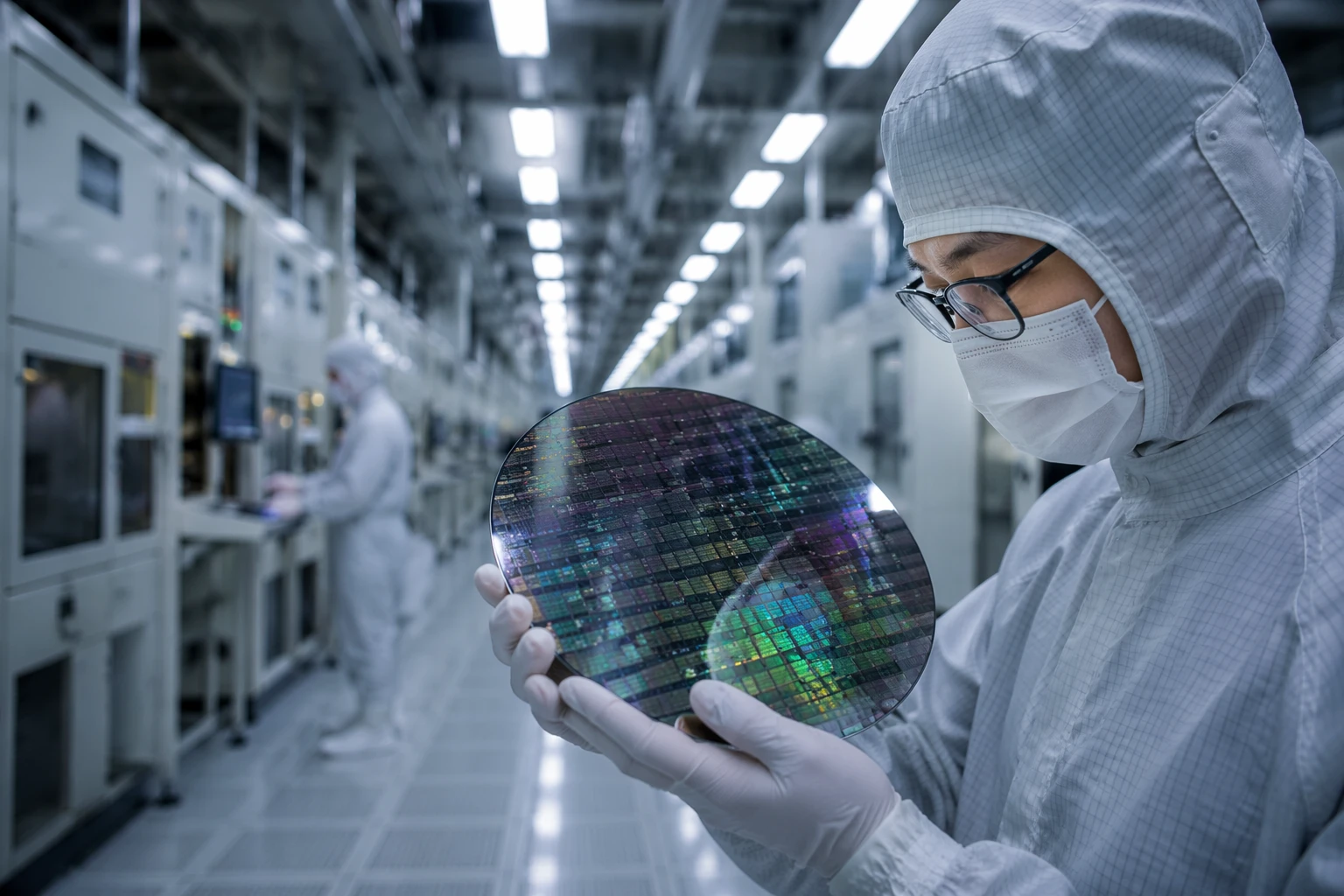
The scale is far beyond Yongin. The companies have pledged 3,200 trillion won in investment, including an 800 trillion won chip cluster in the southwest that is expected to add four memory-chip fabrication plants, with Samsung and SK Hynix each building two. The broader industrial push also includes an 81 trillion won high-bandwidth memory packaging hub in Cheonan and Onyang, in South Chungcheong Province.
SK Hynix shares have surged 307 percent this year and Samsung shares are up 179 percent, lifted by demand for high-bandwidth memory chips used in advanced AI processors. SK Hynix briefly overtook Samsung Electronics on June 24 to become South Korea’s most valuable firm, after 14 years of bets on HBM.
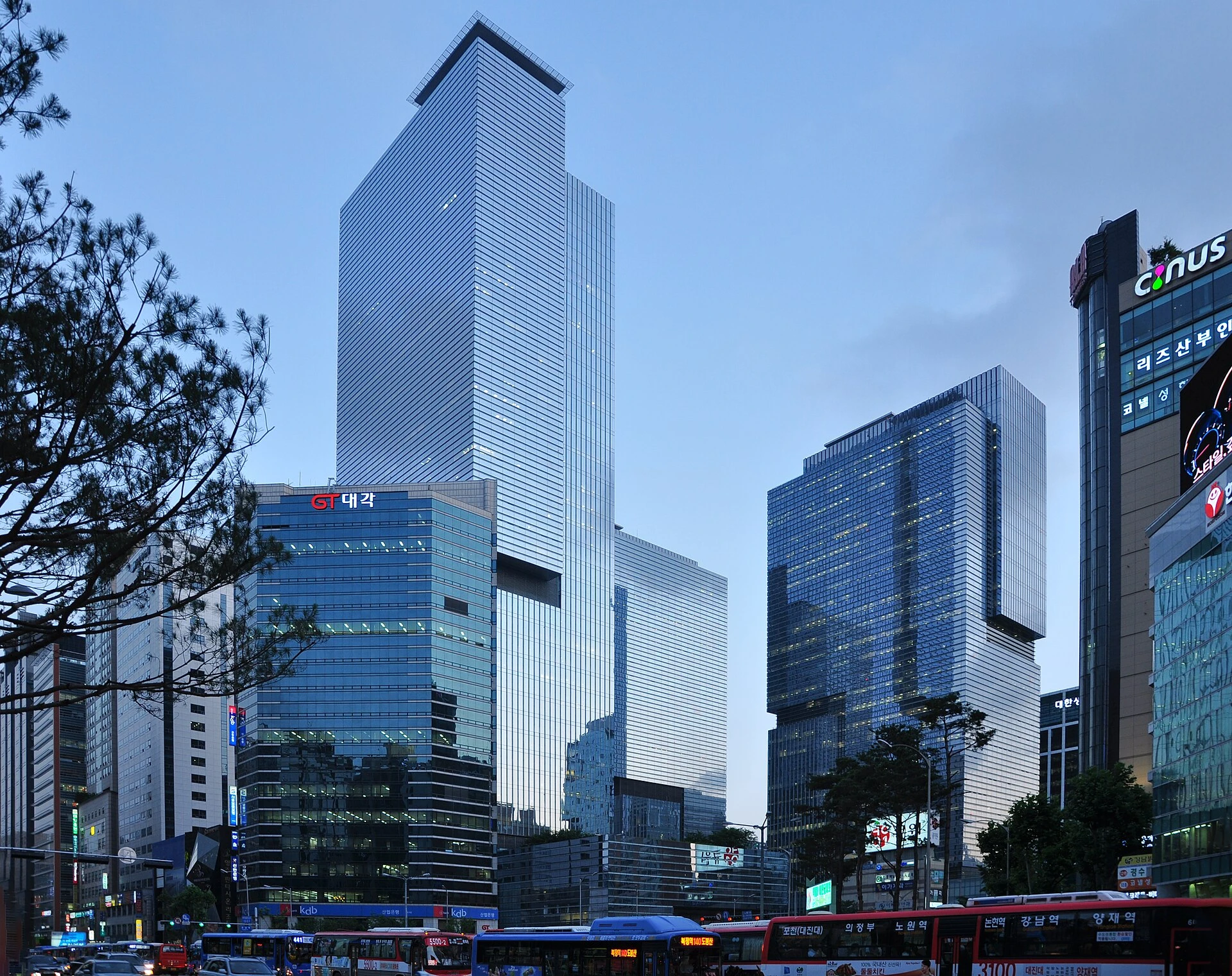
Memory-chip plants take years to build, and if AI spending slows, the industry could be left with too much capacity just as demand cools. Morningstar analyst Jing Jie Yu warned faster capex could deepen long-term oversupply risk, while Nomura’s CW Chung said expanding into other regions could help hedge uncertainty around Yongin. Memory shortages are already pushing up prices for some consumer electronics.
Sources
- [1]money.usnews.com
- [2]yonhapnew.co.kr
- [3]news.skhynix.com
- [4]reuters.com