Business
South Korea unveils semiconductor hub to drive regional growth
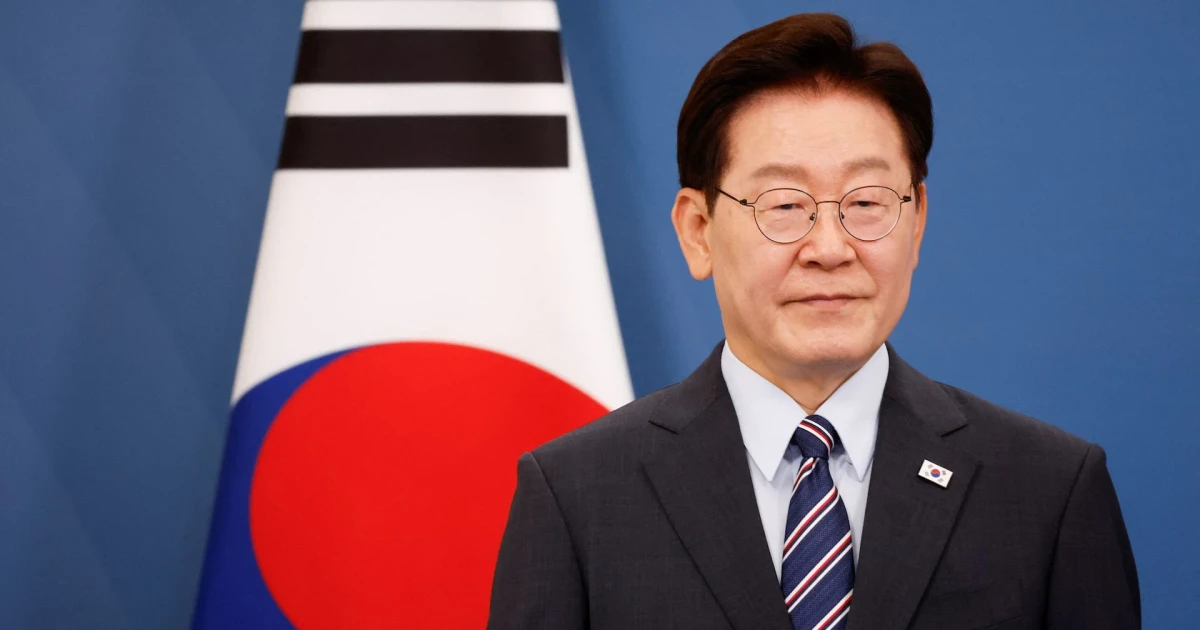
South Korea rolled out three mega-projects on Monday, with a semiconductor hub in southwest South Korea at the center of President Lee Jae Myung’s push to link artificial intelligence spending to a wider regional-development drive. The presidential office said the package was unveiled around 0500 GMT and framed it as a national “great leap,” with Lee presiding over the announcement.
The government paired the technology plan with a clear geographic : narrow the gap between the Seoul metropolitan area and the rest of the country. The initiative was designed to support semiconductors, physical AI and AI data centers, and it included plans for a new chip cluster that would anchor industrial activity beyond the capital region. Several ministries, including industry, science, climate and transport, were set to outline policy support, signaling that the projects would require more than corporate spending alone.
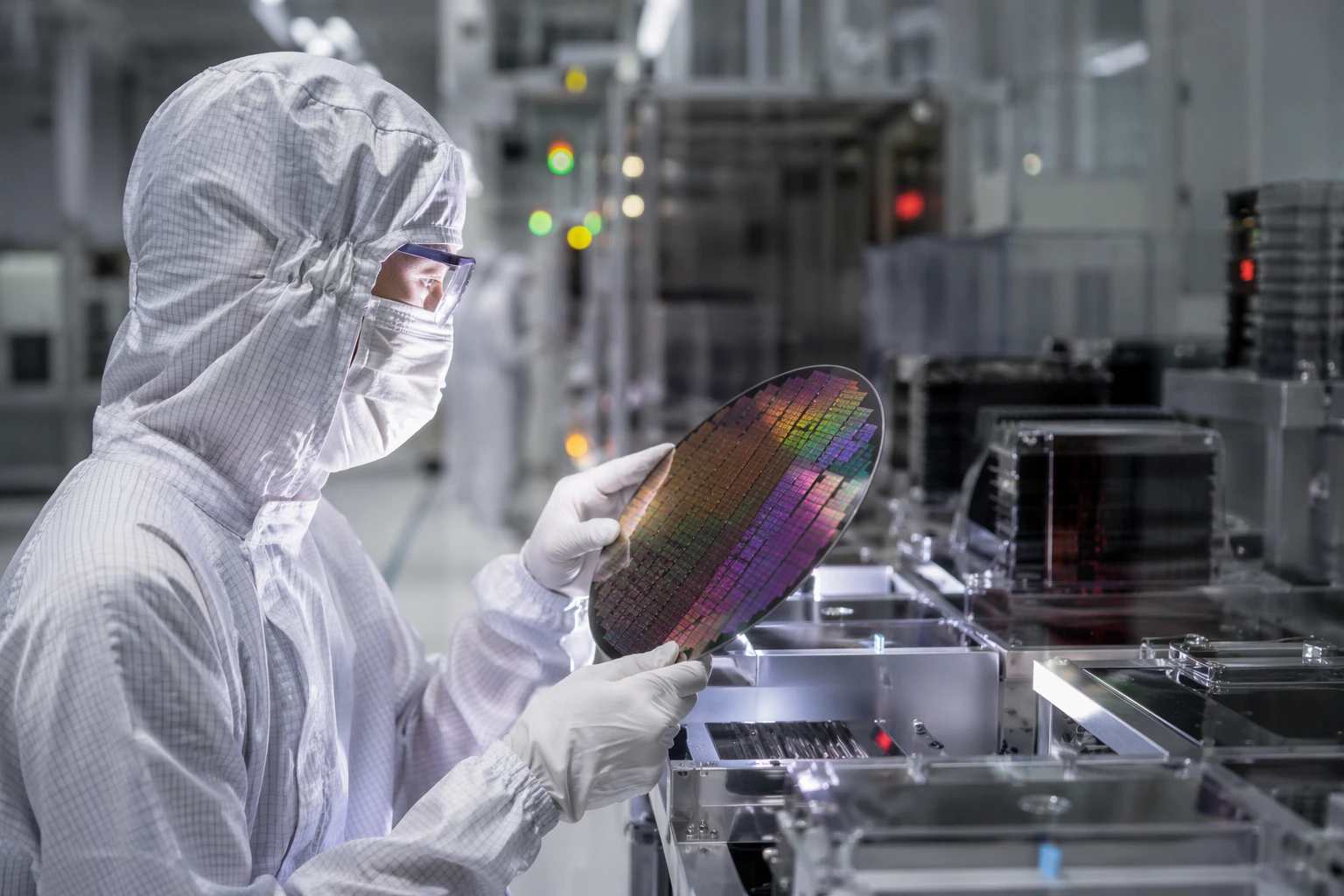
The private-sector backing was already massive. Samsung Group pledged 1,000 trillion won, about $648 billion, in South Korea over the next decade, with spending that would cover AI data centers, batteries and displays. One reported element of that plan pointed to a possible 300 trillion won push to build chip factories in southwest South Korea, a scale that could make the hub one of the country’s most consequential industrial bets in years. Local media said the southwest project could attract Samsung and SK investments worth hundreds of billions of dollars over several years.

The meeting at the presidential office also drew top executives from Samsung Electronics and SK Hynix, underscoring how closely the state is tying the next growth phase to the country’s two most important chip groups. Kim Yong-beom, the presidential policy adviser, said the plans would be outlined jointly by government and industry. That approach reflects the central challenge in Seoul’s strategy: turning a bold industrial announcement into a buildout that can actually secure land, labor, power and long-term financing fast enough to keep pace with rival subsidy campaigns abroad.
Sources
- [1]money.usnews.com
- [2]upi.com
- [3]finance.yahoo.com
- [4]malaymail.com
- [5]thestar.com.my
- [6]en.yna.co.kr
- [7]channelnewsasia.com
- [8]chosun.com