Science
South Korean satellite captures before-and-after images of SpaceX moon crash

South Korea’s Danuri lunar orbiter caught SpaceX’s discarded Falcon 9 upper stage before and after it slammed into the Moon near Einstein Crater, giving mission teams a rare look at a fresh impact site. The images arrived as private and public operators push deeper into lunar space, where every failed landing or spent rocket stage now leaves a visible mark that other spacecraft can document.
The Korea Aerospace Research Institute and the Korea AeroSpace Administration released the images from Danuri, also known as Korea Pathfinder Lunar Orbiter. KARI said Danuri began observing about 30 minutes before the collision and passed over the impact point several times, making it possible to compare the surface before the strike with the aftermath. South Korean coverage said the pictures showed changes to the surrounding terrain and debris spread from the impact, and one Chosun English report said they aided NASA’s lunar surface analysis.
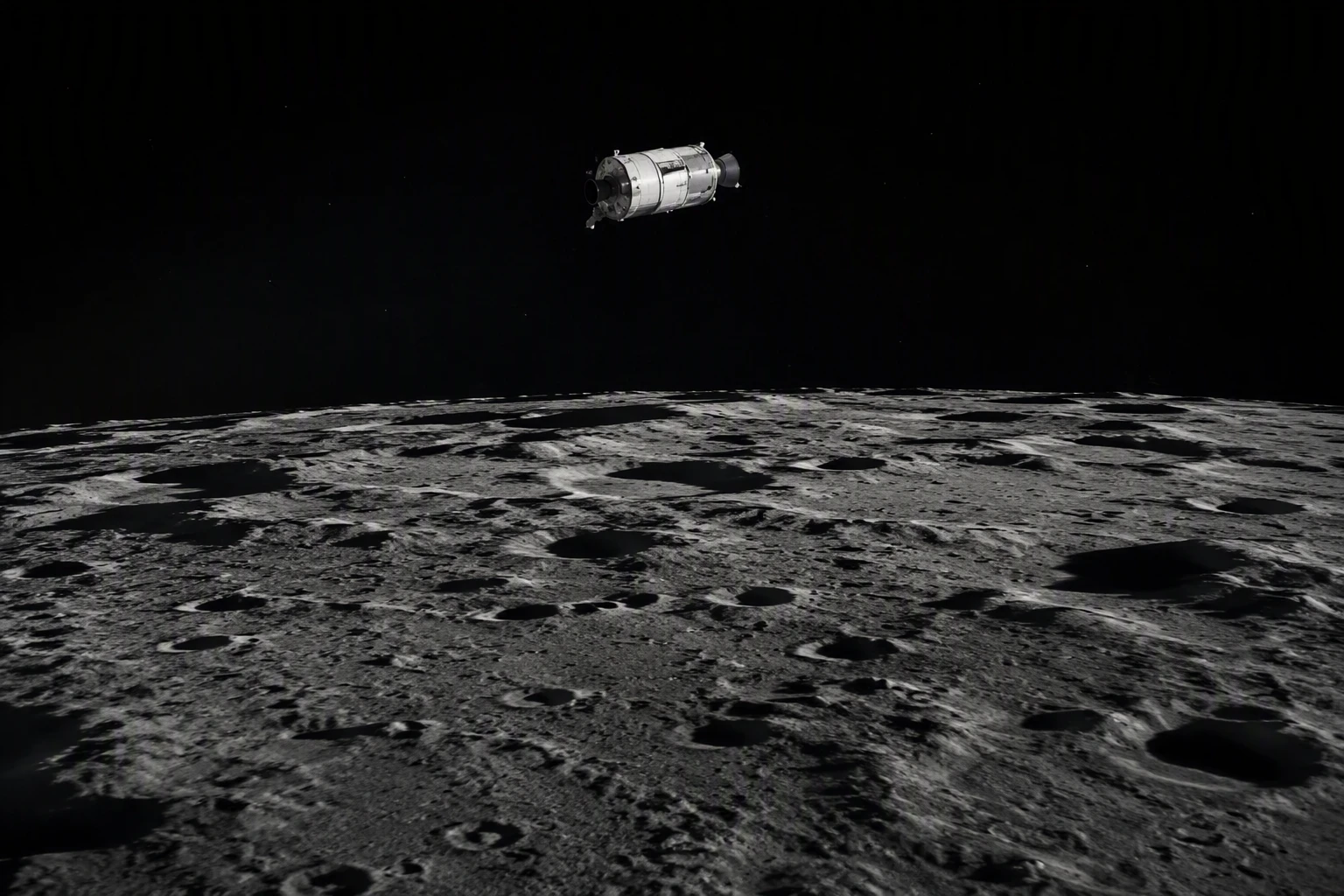
The object that struck the Moon was the upper stage of a SpaceX Falcon 9 rocket. One report said the stage was expected to hit at roughly seven times the speed of a bullet, a reminder of how quickly debris can alter a lunar site once a vehicle loses control. NASA expected its Lunar Reconnaissance Orbiter to fly over the crash site the following week to view the aftermath, adding another independent look at the scene.
The crash is more than a technical footnote. It shows how the Moon is becoming an active operational zone, with launches, landers, orbiters and test missions from different countries and companies leaving observable traces on its surface. Danuri’s images provide a cross-check for researchers who need more than telemetry to reconstruct what happened, and they give engineers another dataset on how hardware, terrain and ejecta behave in lunar conditions.
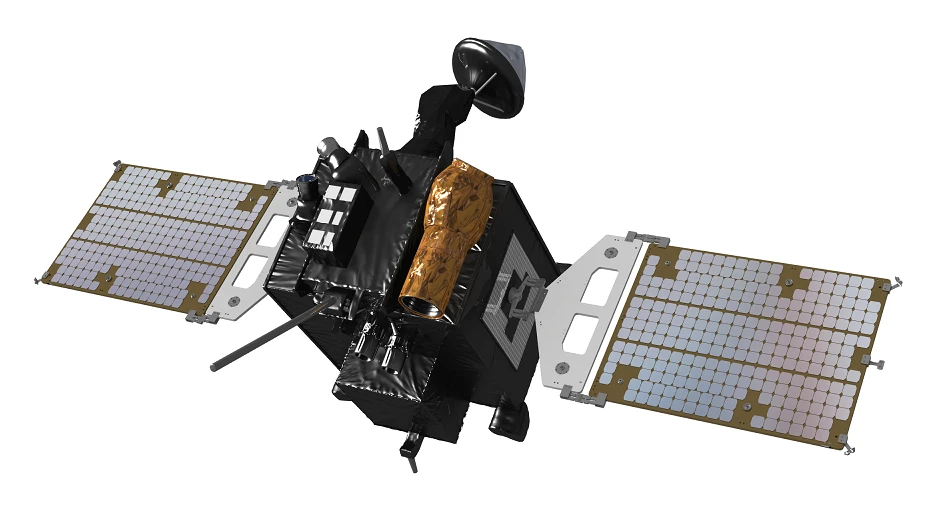
For South Korea, the episode also highlights how far its space program has come. Danuri’s pass over the site showed that national orbiters can now help document deep-space incidents in real time, not just map the Moon from afar. As more missions move toward lunar logistics and surface operations, the question left behind by a crash like this becomes harder to avoid: who records the damage, who is responsible when hardware fails off Earth, and how future sites will be protected.