Lifestyle
South Koreans Shift Away from Heavy After-Work Drinking
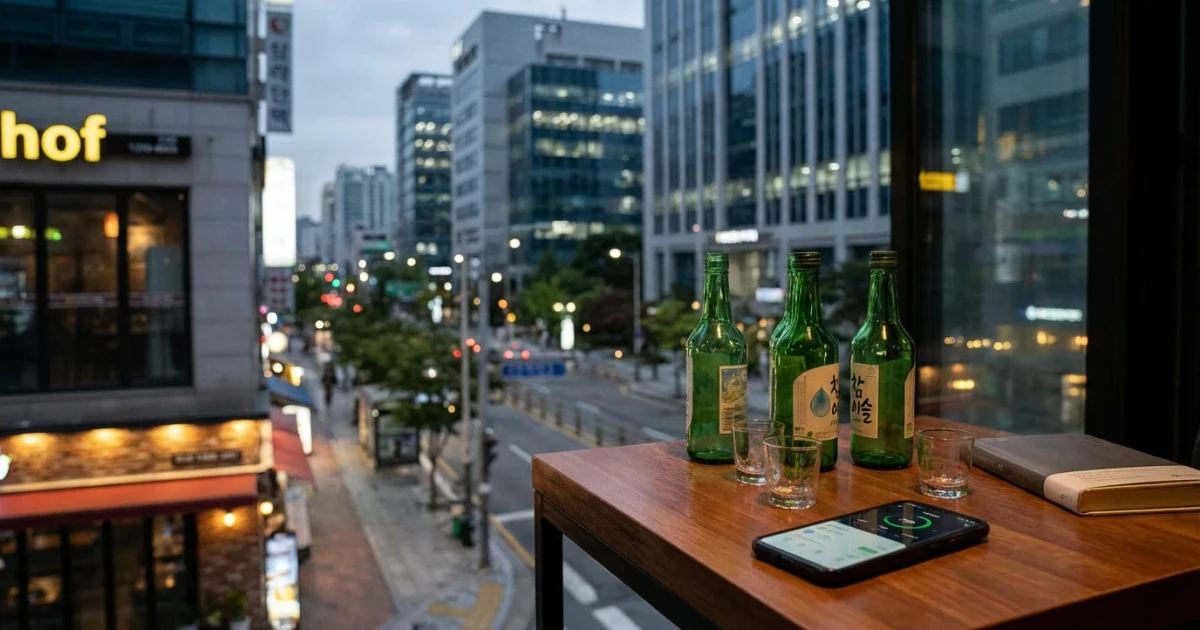
South Korea's traditional after-work drinking culture is undergoing a significant transformation, as more South Koreans are turning away from heavy drinking sessions in favor of moderation and alternative social activities. This shift reflects broader changes in generational attitudes, workplace expectations, and public health awareness, according to The Straits Times and supported by recent analyses of South Korean society.
Generational Shifts and Declining Alcohol Consumption
For decades, South Korea has been known for its vibrant social drinking scene, especially after work. Company dinners, or hoesik, often featured rounds of soju and beer, with an unspoken expectation of participation. However, a growing number of younger workers are opting out of these heavy drinking rituals, preferring either lighter consumption or non-alcoholic gatherings.
- OECD data reveals that South Korea's per capita alcohol consumption has shown a gradual decline in recent years, especially compared to the 1990s and 2000s.
- KOSIS statistics confirm a steady decrease in alcohol consumption rates, particularly among people in their 20s and 30s, who are driving this cultural change. Official records show annual drops since the late 2010s.
- Statista data indicates that average annual alcohol consumption per person in South Korea fell from over 9 liters in 2014 to about 8.3 liters in 2022.
Factors Driving the Change
Multiple factors are influencing this shift away from heavy drinking:
- Changing workplace norms: Companies are increasingly sensitive to the risks of forced drinking at hoesik, and many now encourage voluntary participation or offer non-alcoholic alternatives.
- Health awareness: Young professionals are more conscious of the health risks associated with excessive alcohol consumption, such as liver disease and mental health problems.
- Generational values: The younger generation, often called MZ (Millennials and Gen Z), values work-life balance and personal boundaries. They are more likely to set limits and choose their leisure activities independently.
- Social movements and media: Social campaigns and increased media coverage of the negatives of binge drinking have made it more acceptable to decline alcohol at work or social events.
Changing Social Dynamics
In-depth analysis from outlets such as Korea Exposé highlights how the meaning of socializing is evolving. Alternative after-work activities—such as fitness classes, café meetups, and hobby groups—are increasingly popular. This diversification of leisure reflects a broader trend of individualism and self-care.
Ongoing Challenges and Outlook
Despite these changes, South Korea still ranks among the highest in alcohol consumption in Asia, and binge drinking remains a public health concern. World Health Organization data suggests that while overall averages are declining, patterns of heavy episodic drinking persist, particularly among older age groups and in certain social settings.
Public health experts argue that continued education, alongside supportive workplace policies, will be crucial in sustaining progress and protecting those who may feel pressured to participate in drinking culture. As more companies and individuals embrace diverse social habits and prioritize health, the trend toward moderation is expected to continue, reshaping South Korean society for future generations.