Business
South Korea's huge chip bonuses raise inflation concerns at Bank of Korea
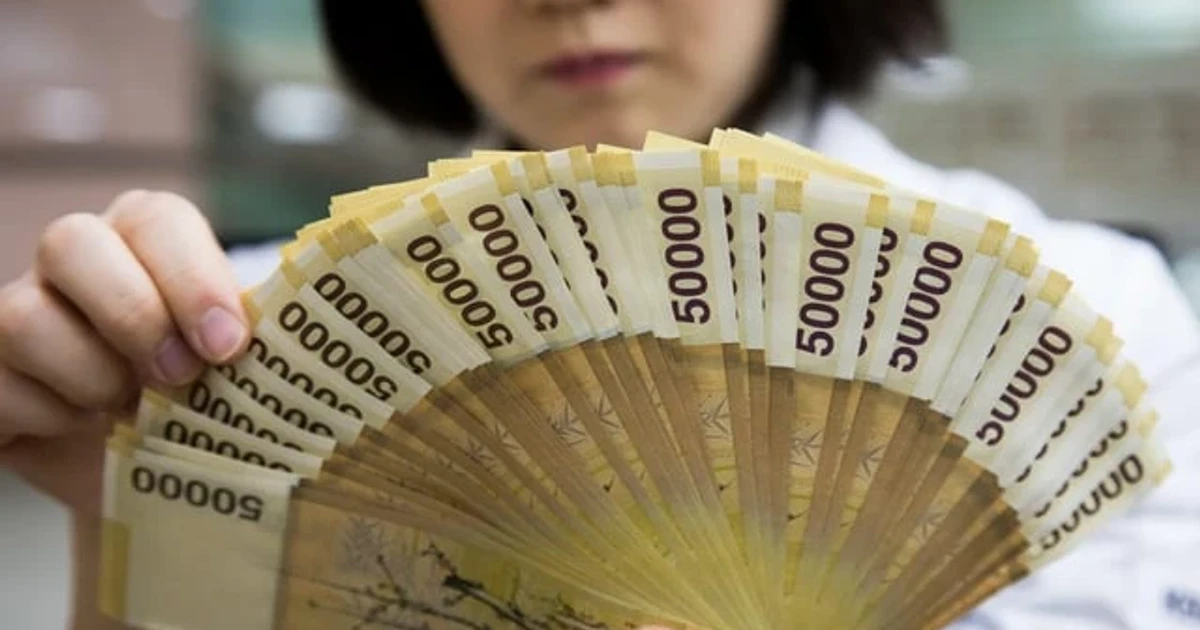
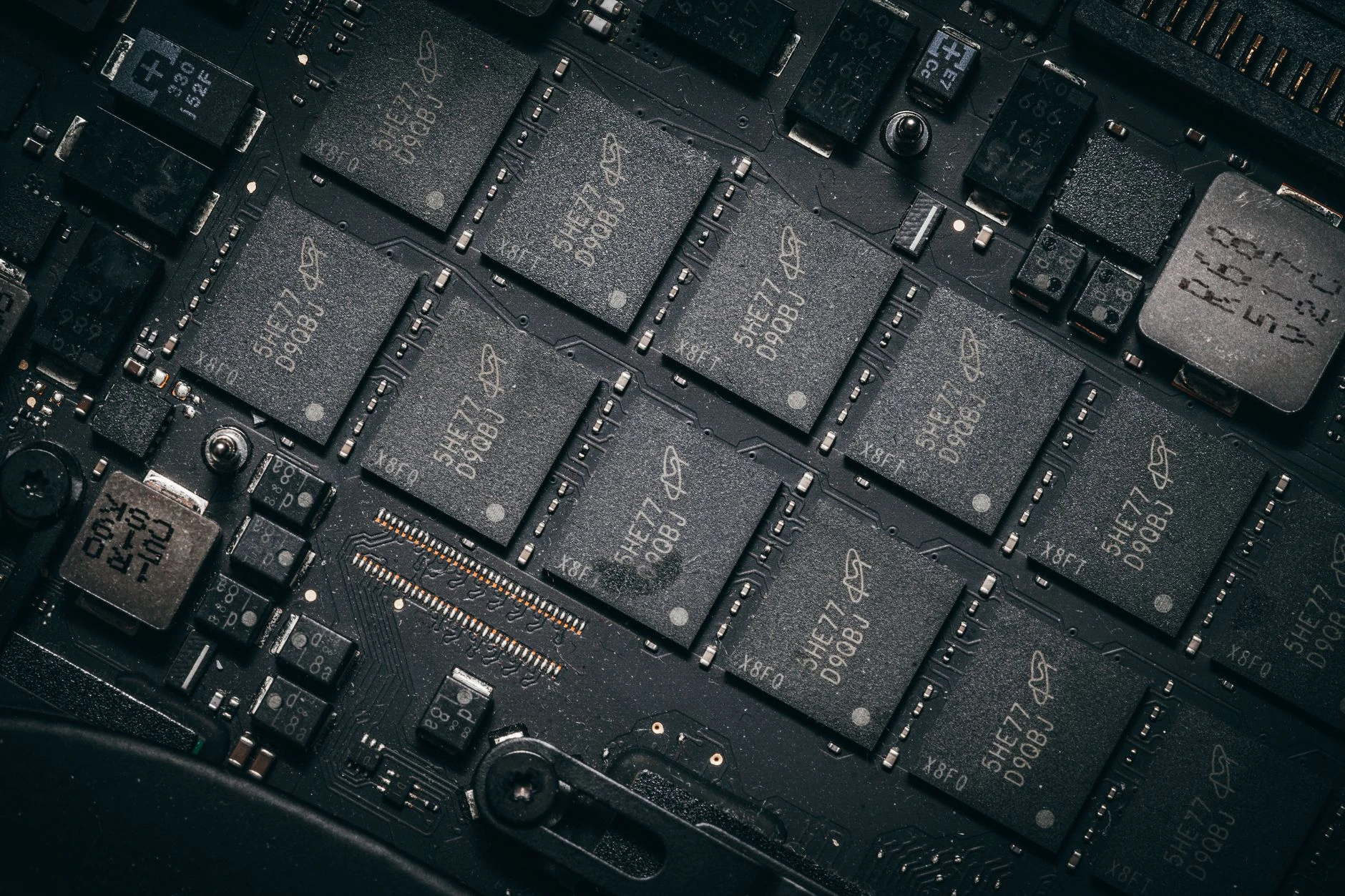
South Korea’s semiconductor windfall has crossed a line from corporate reward to macroeconomic risk. The Bank of Korea is now warning that the huge bonuses being paid at Samsung Electronics and SK Hynix could spill into broader wage growth and consumer spending, adding pressure to prices in an economy already running above target.
The central bank’s June 17 inflation-target review projected consumer inflation at about 3% in the second half of 2026, with core inflation in the mid-to-upper 2% range. It also said full-year inflation was likely to come in at 2.7%, above its 2% goal, and Reuters reported that policymakers expected inflation to remain above target through next year. The Bank of Korea said much of 2026’s price pressure had come from energy costs tied to the Iran war in the Middle East, but it also warned that income conditions and wage gains could add their own momentum over time.

That is where the chip bonuses matter. The Bank of Korea said large semiconductor bonuses lifted nominal wages in the first quarter by 1.3 percentage points, a striking number for a pay package that begins in private industry but quickly filters into the wider economy. South Korean media reports cited in the story suggested some employees at SK Hynix and Samsung Electronics could receive bonuses approaching 500,000 dollars if profit projections hold, underlining how strong the chip cycle has become.
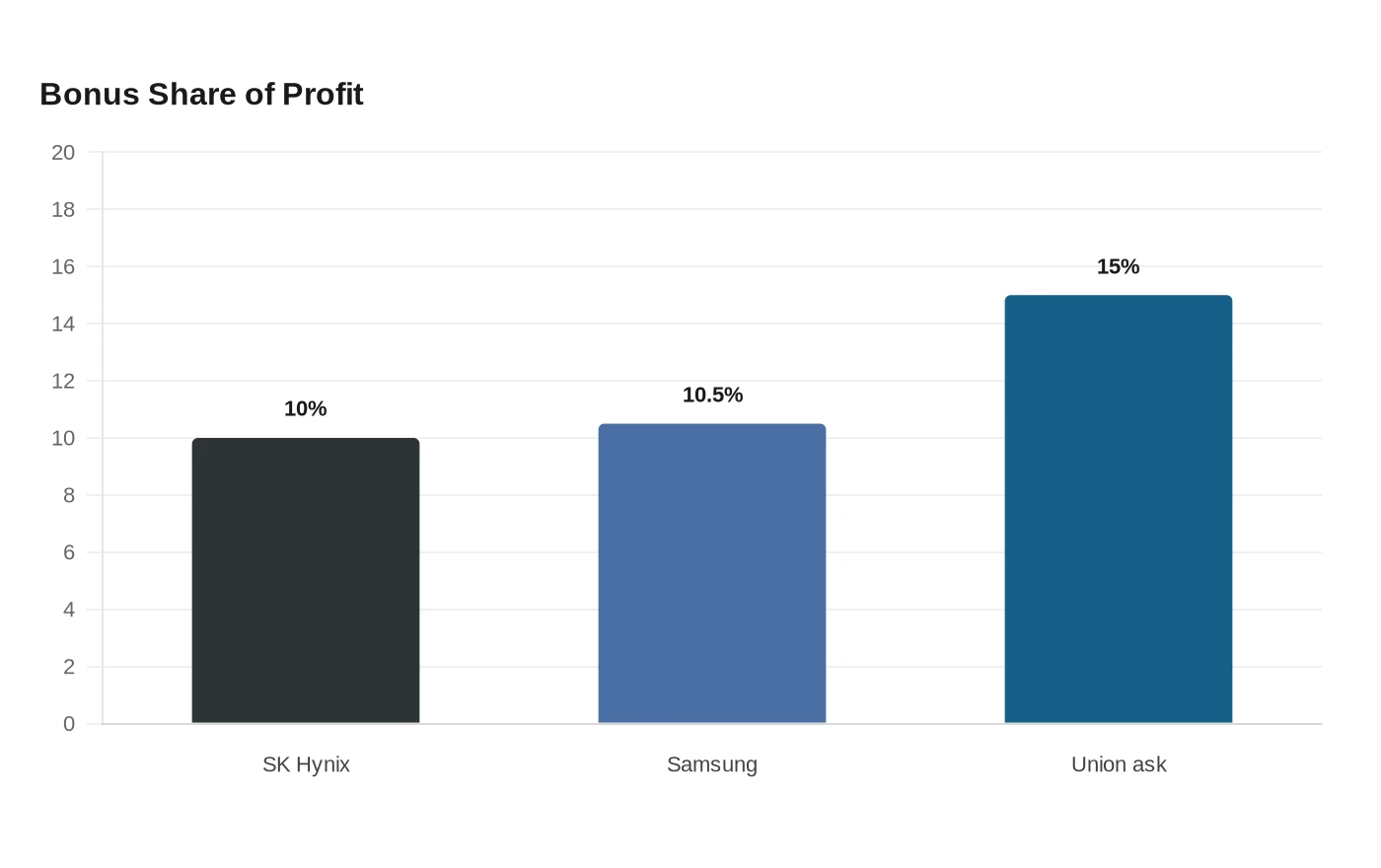
The payouts are structured to keep growing with profits. SK Hynix agreed last September to set aside 10% of operating profit as bonuses for workers. Samsung’s semiconductor division reached a separate decade-long framework that gives employees a special management performance bonus equal to 10.5% of operating profit, with no payout ceiling. The Samsung union had initially sought 15% of operating profit and the removal of an old bonus cap tied to 50% of base salary.

Reuters-calculated estimates put a memory-chip worker’s total bonus near 626 million won, or about $410,000, on a base salary of 80 million won. At SK Hynix, workers could receive more than 700 million won if annual profit targets are met. The effects are already showing up outside the factories: South Korean department stores have benefited, and their share prices have risen as more money flows into high-end consumer spending.
For Seoul, the issue has become a national debate, not just a compensation dispute. Some South Korean coverage says the semiconductor boom could last three to four years, which would prolong the bonus surge and keep pressure on prices, wages and policy. For the rest of the world, the lesson is broader: when one strategically vital industry dominates a national economy, a chip cycle can ripple from payrolls to inflation, exposing how fragile the global supply chain still is.
Sources
- [1]cnbc.com
- [2]money.usnews.com
- [3]biz.chosun.com
- [4]techtimes.com
- [5]chosun.com