World
South Korea's president urges stronger support as heatwave kills 16
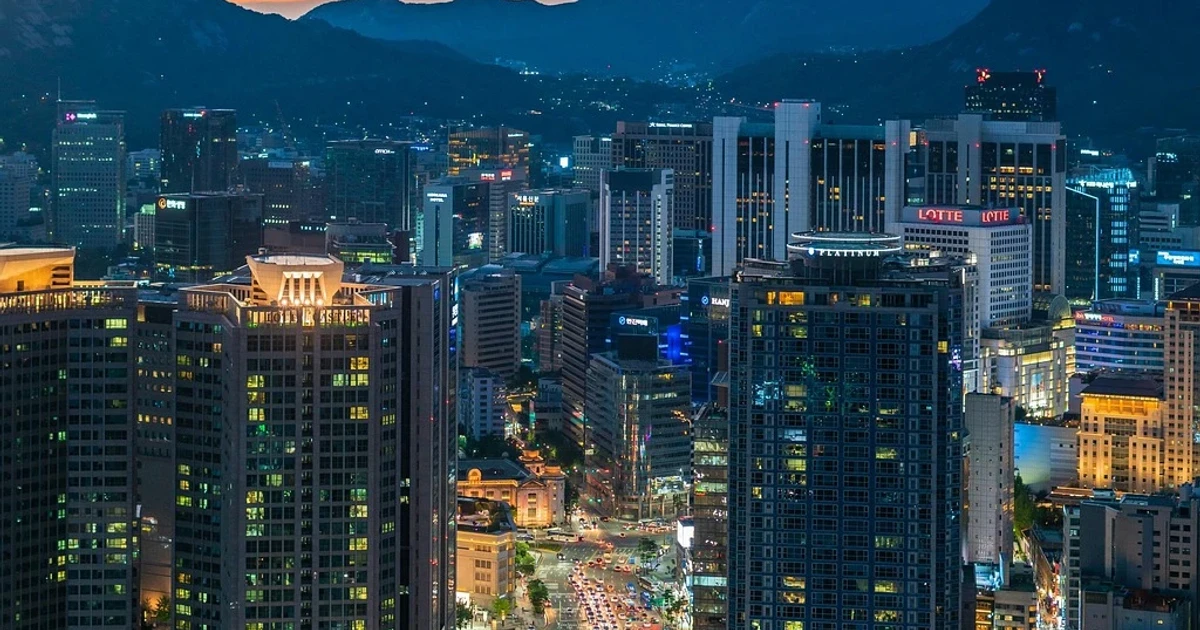
South Korean President Lee Jae Myung urged authorities to step up support for people affected by the heatwave after the death toll rose to at least 16. He said extreme weather had become normal, putting the country’s public-health system and local governments under sharper pressure as dangerous temperatures continued across South Korea.
The heat has spread well beyond a weather emergency into a community crisis. Reuters reported residents seeking relief in cooling shelters, beaches and water parks as emergency measures expanded across the Korean Peninsula, including North Korea. Xinhua said Seoul was under the highest heat wave warning and that the Korea Meteorological Administration expanded the highest-level alert to parts of the capital, including the northeastern and northwestern areas, while agricultural damage mounted nationwide.
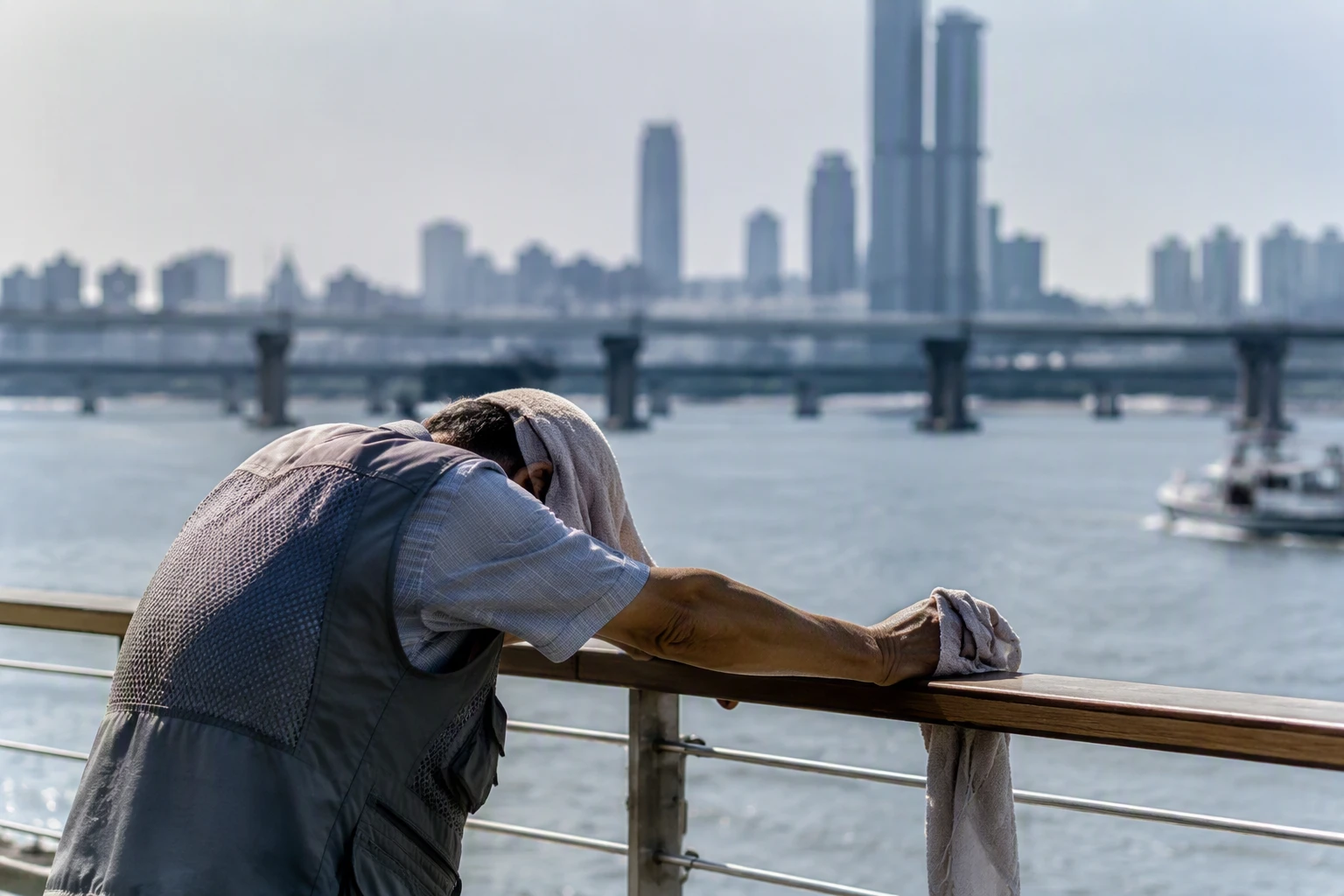
The scale of the heat has been severe enough to set records. Reuters reported on July 31 that South Korea hit an all-time high of 41.4 C, topping the previous national record of 41.0 C set in 2018. Reuters-linked reporting also said temperatures reached as high as 42.5 C in South Korea’s southeast on Aug. 3, intensifying strain on hospitals, emergency responders and the people most exposed to the sun.
Lee’s intervention put the focus on who bears the highest risk when temperatures soar: older residents, outdoor workers, farmers and people with medical conditions. Reuters said officials were being pressed to expand cooling assistance, improve monitoring of vulnerable residents and make sure emergency response systems were ready for more heat-related illnesses. KBS World reported that Lee called for greater support from authorities, reflecting concern that warnings alone are not enough when heatwaves become this lethal.

South Korea’s response is now being tested as a question of preparedness, not just endurance. The Straits Times said Seoul issued its first severe heatwave warning under a new advisory system, a sign that even the capital’s existing safeguards are being pushed into unfamiliar territory. With the highest warning in place for Seoul and the death toll already in double digits, the government faces immediate pressure to translate alerts into protection for the people least able to escape the heat.
Sources
- [1]reuters.com
- [2]xinhuanet.com
- [3]world.kbs.co.kr
- [4]straitstimes.com
- [5]bangkokpost.com
- [6]the-independent.com