World
South Ossetia leader resigns to become Putin adviser
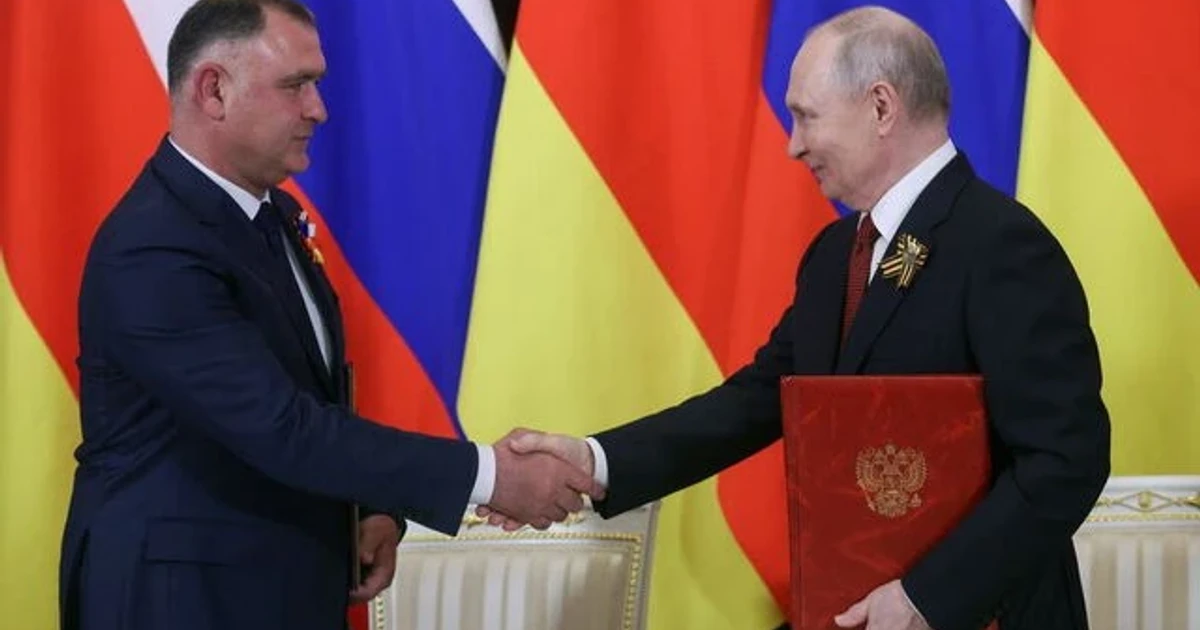
Alan Gagloyev resigned as president of South Ossetia on June 23, saying he would move immediately into Russia’s presidential administration as an adviser to Vladimir Putin. He said presidential duties would pass to his prime minister, with recent reporting identifying Marat Kambolov as the acting successor under South Ossetia’s constitutional rules.
The move came only weeks after Moscow completed ratification of a major Russia-South Ossetia treaty signed on May 9. Russia’s State Duma approved the agreement on May 20, the Federation Council followed on May 25, and Putin signed it into law the same day. The Kremlin has described the pact as deepening allied interaction between Russia and South Ossetia, a formulation that reflects how thoroughly Moscow already shapes the region’s security and administrative life.
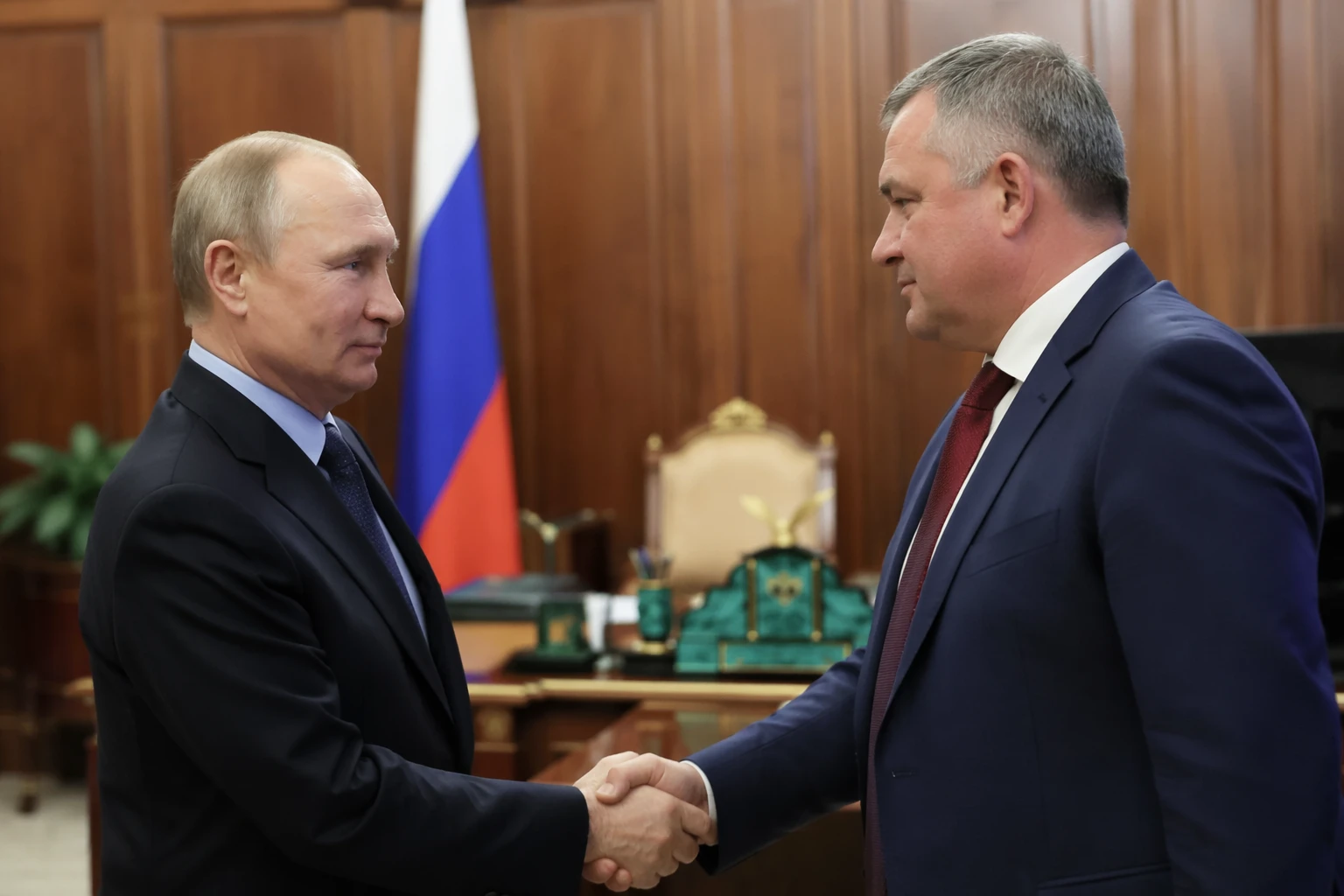
Gagloyev took office in 2022, and his departure adds another turn to South Ossetia’s long dependence on Russia. The territory broke away from Georgia during the collapse of the Soviet Union and emerged with Russian backing as a de facto state with a population in the mid-50,000s. After the August 2008 war between Russia and Georgia, Moscow recognized South Ossetia and Abkhazia as independent states, along with a small group of countries that now includes Nicaragua, Venezuela, Nauru and Syria.
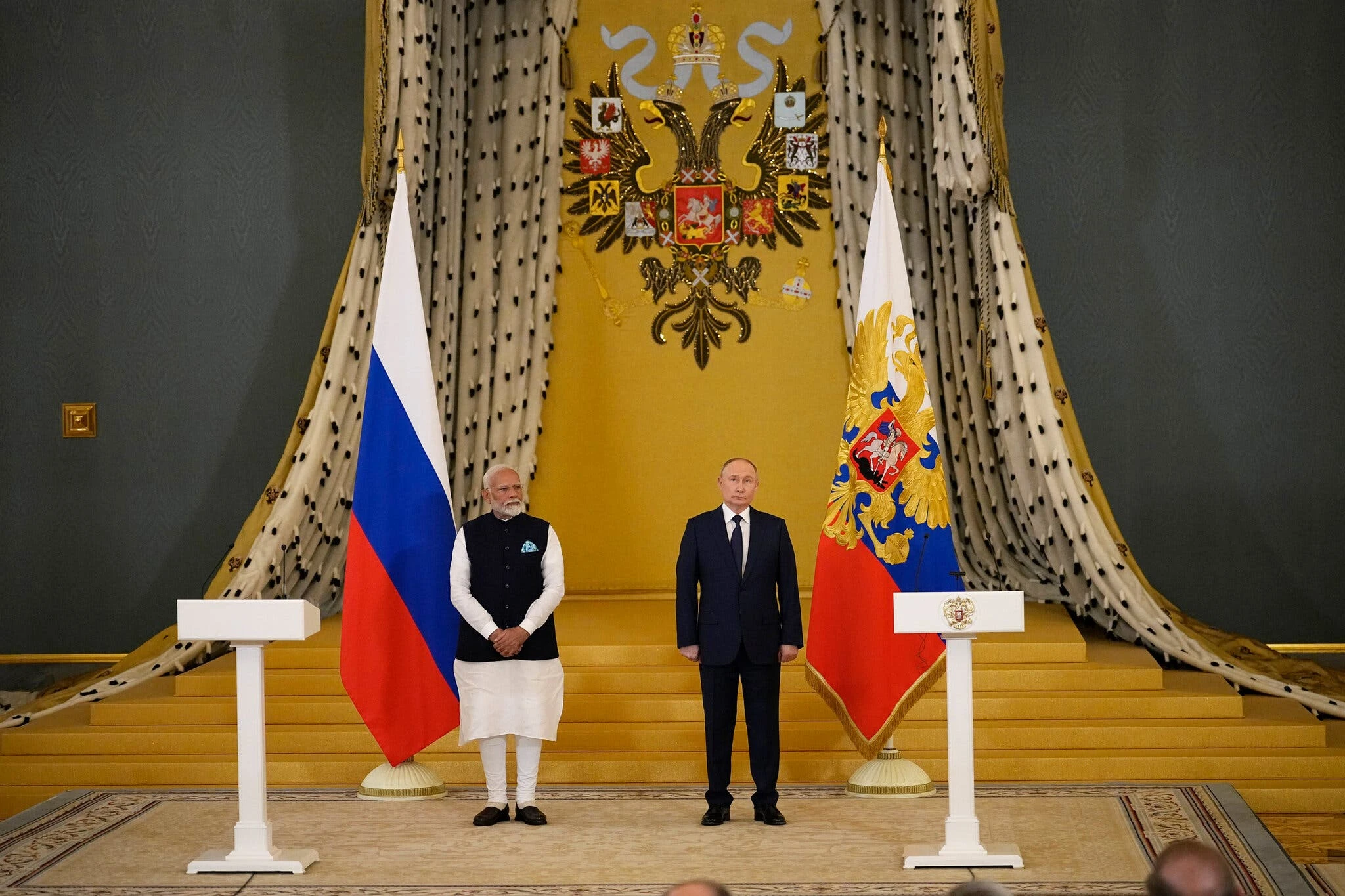
Successive South Ossetian leaders have pressed for eventual absorption into Russia, but Moscow has stopped short of a formal annexation vote. Gagloyev’s shift from local leader to Kremlin adviser suggests that the integration agenda is being managed not only through treaties and military backing, but also through personnel moved closer to the center of power in Moscow. That tightens the Kremlin’s control over a region it already dominates and gives it a more direct hand in steering South Ossetia’s next steps.
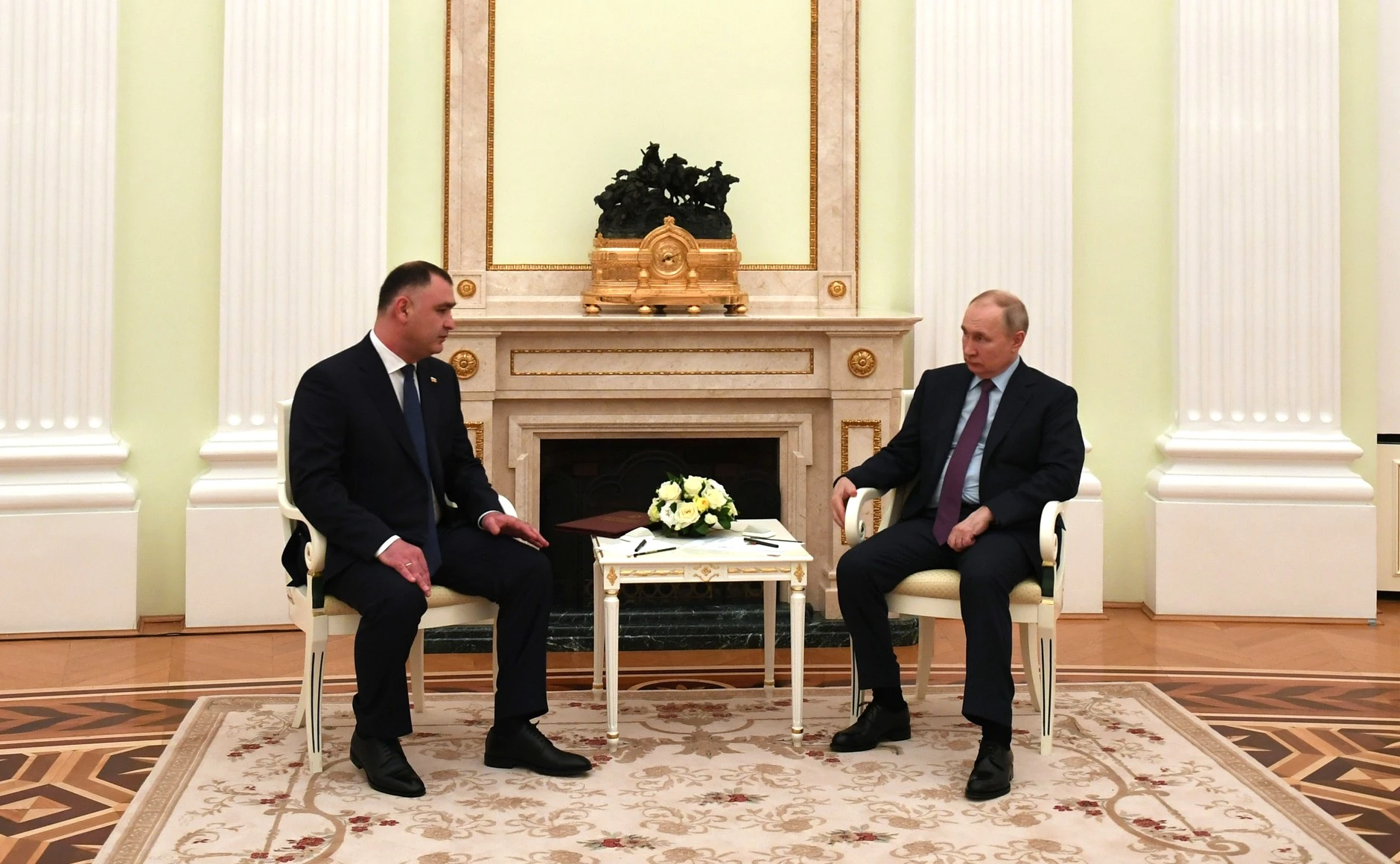
The timing also points to a broader reshuffle in Tskhinvali. Prime Minister Dzambolat Tadtaev resigned on June 8, and the latest changes in the South Ossetian government have unfolded alongside Moscow-linked integration planning. For Georgia, the result is a further narrowing of already limited room to maneuver: Tbilisi still contests the territory’s status, but South Ossetia’s leadership remains tied to decisions taken in Moscow, not in the Georgian capital.
Sources
- [1]usnews.com
- [2]themoscowtimes.com
- [3]en.kremlin.ru
- [4]rferl.org
- [5]geostat.ge
- [6]citypopulation.de
- [7]georgiatoday.ge
- [8]oc-media.org