World
South Sudan whistleblower abducted in Kenya, wife fears for his safety
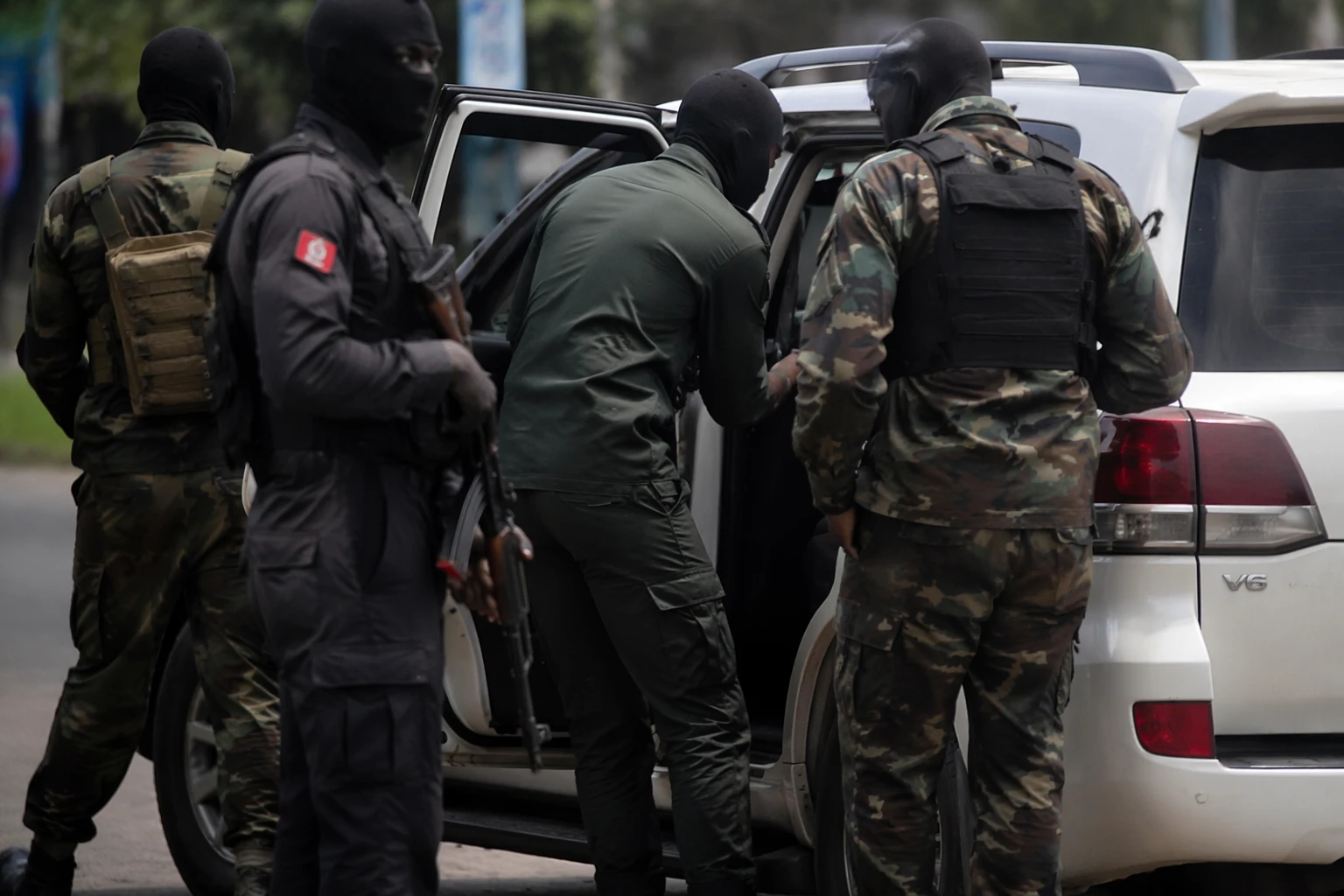
Armed, masked men seized Athorbey Al-Gaddhaffy-Dit outside Nairobi in the early hours of June 10 and drove him away in a white vehicle, according to his wife and a police report she filed. The 51-year-old South Sudanese whistleblower, who also holds Kenyan citizenship and lives in Nairobi, was taken after leaving a casino on the outskirts of the city, his wife said.
She said she had no idea where he was being held and feared for his health and the conditions of any detention. Amnesty International Kenya called for his whereabouts to be disclosed and warned of the danger of a forced return to South Sudan, where he had raised corruption allegations involving senior figures. Human rights advocates said the case carried immediate risks because he had already drawn attention for sharing information with journalists and diplomats.
The disappearance has sharpened questions in Kenya about whether repression from Juba is spilling across the border. South Sudanese government spokesperson Ateny Wek Ateny and a senior Kenyan foreign-affairs official said they were not aware of the incident, while Kenya Police did not respond to a request for comment. That silence has added to concern that a politically sensitive case is unfolding on Kenyan soil without a clear public account from the authorities responsible for protecting residents and visitors.
Boniface Mwangi, a Kenyan human rights activist, said he met Al-Gaddhaffy-Dit in April 2026 and that the whistleblower described having shared corruption allegations with journalists and diplomats. His account fits a wider pattern that rights groups have tracked for years: foreign nationals in Kenya reporting abductions or removals to countries where they fear persecution. In 2024, Amnesty International Kenya and other groups documented at least 12 abductions of people suspected of involvement in Kenya protests, describing them as enforced disappearances.
The South Sudan case also lands against a longer record of concern over extraterritorial operations by South Sudanese security forces. A United Nations Commission on Human Rights in South Sudan report cited by rights groups said such operations had taken place in Kenya and Uganda, underscoring how exile has not always meant safety for dissidents. The Human Rights Council created that commission on March 23, 2016, as scrutiny over South Sudan’s abuses and corruption deepened.
That scrutiny has only intensified. A 2025 commission report said South Sudan’s oil inflows had exceeded $25.2 billion since independence in 2011, with little reaching essential services. Amnesty International said in 2026 that serious violations continued and that the country’s human-rights situation had worsened, leaving whistleblowers like Al-Gaddhaffy-Dit exposed to risks that now appear to extend well beyond South Sudan’s borders.
Sources
- [1]usnews.com
- [2]theeastafrican.co.ke
- [3]nampa.org
- [4]ohchr.org
- [5]news.un.org
- [6]amnesty.org