World
South Sudan’s education system on the verge of collapse, generation at risk
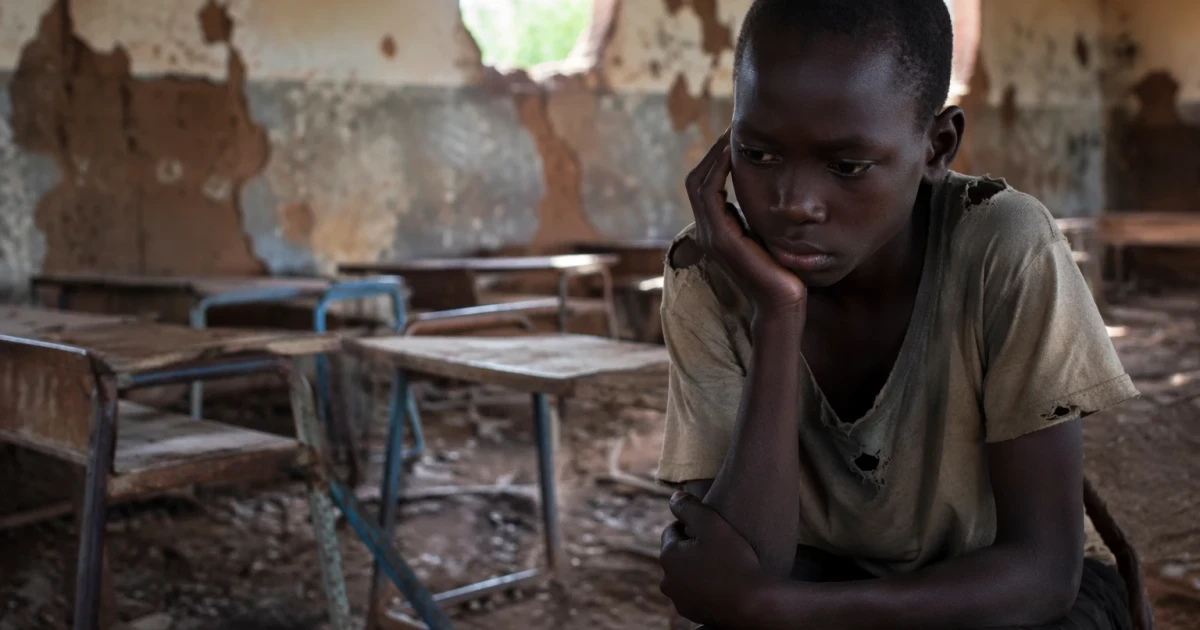
2,215,494 pupils were enrolled in 6,456 operational schools in South Sudan in 2023, but average attendance was only 70 percent. The Ministry of General Education and Instruction counted 7,737 pre-primary, primary, secondary, alternative education and TVET sites, and 83 percent of them were operating. More than 2.8 million children, over 70 percent, were still out of school (UNICEF). Girls made up 53 percent of those out of school.
Less than half of primary school teachers had received any training, while more than 80 percent were volunteers who were not on the government payroll (UNICEF). One in five enrolled children dropped out, and irregular pay, insecurity and weak deployment rules pushed trained teachers away from hard-to-reach areas. In pastoral communities, children moved with cattle and could not easily attend regular classes.
Nearly 1.3 million refugees and returnees had entered South Sudan since April 2023, with 380,000 more arrivals projected by the end of 2026 (United Nations). In the country’s 2026 humanitarian plan, 9.9 million people were in need, and the education cluster requested $47.7 million while only $5.7 million was funded. Elections were postponed from December 2024 to December 2026.
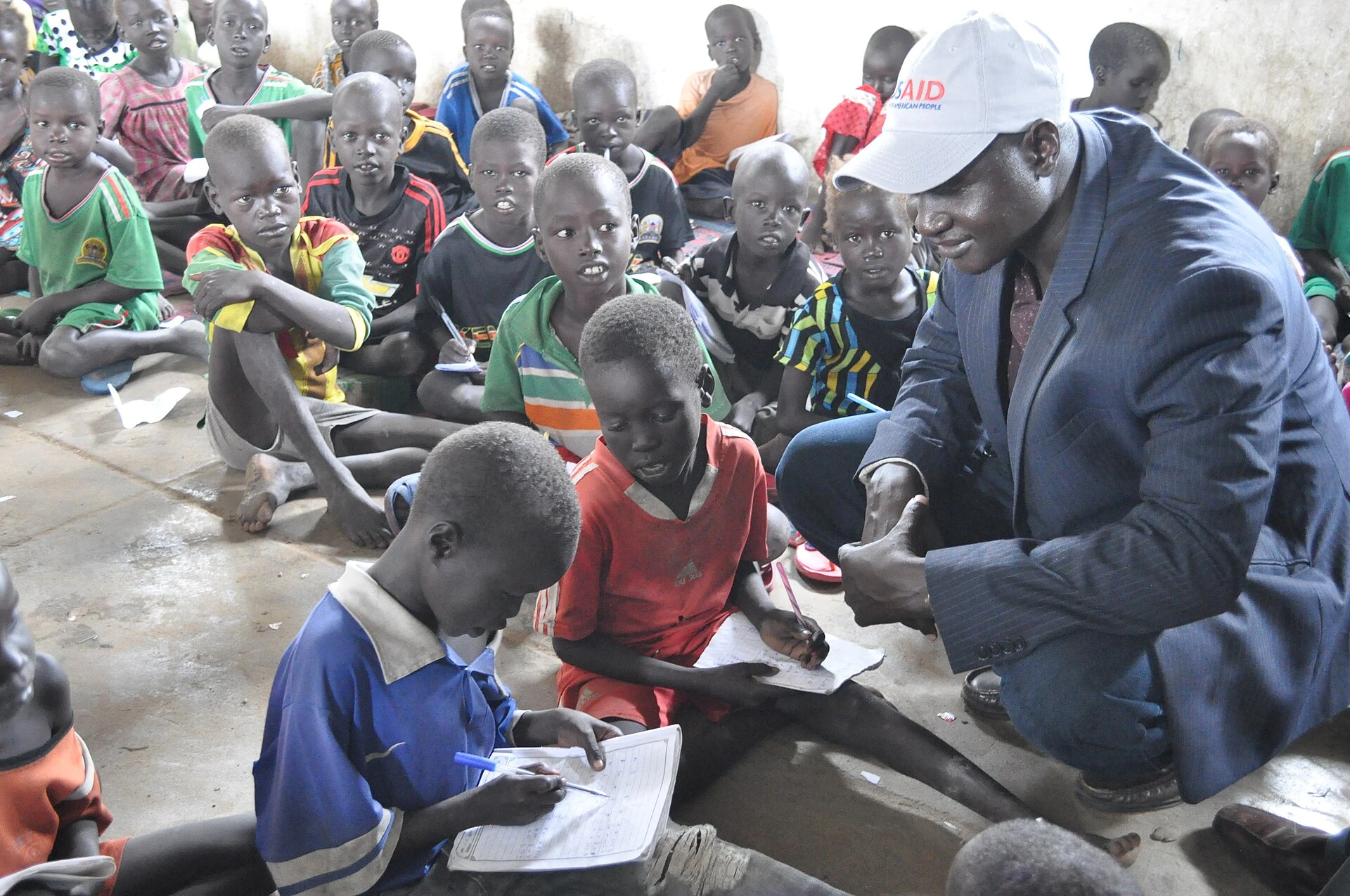
In Jonglei, schools faced critical teacher shortages (OCHA), and UNICEF identified more than 500 unaccompanied children across the state. OCHA also reported increasing child abductions, conflict-related sexual violence and recruitment into armed groups. UNICEF’s 2026 appeal planned to reach only 159,531 children with formal or non-formal education, a fraction of the 5 million children affected by the wider humanitarian emergency.
Sources
- [1]nytimes.com