Health
Southeast Asia Sets Standard for Integrated Medical Tourism
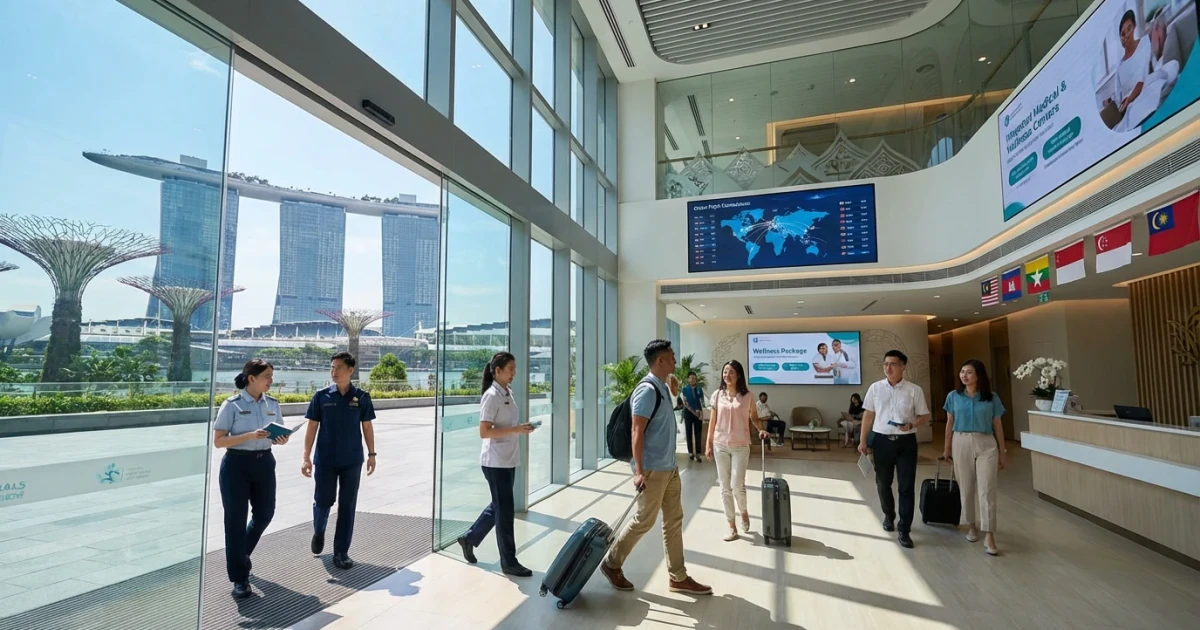
Southeast Asia is rapidly emerging as a model for integrated medical tourism, setting new benchmarks for affordability, safety, and holistic care that attract patients from around the world. The region’s coordinated approach, blending advanced healthcare with travel convenience, is reshaping how international patients seek and experience medical treatment.
Regional Collaboration Drives Growth
Countries across Southeast Asia—including Thailand, Malaysia, and Singapore—have built reputations for high-quality medical care combined with competitive pricing. Regional cooperation is central to this success, with governments and private sectors working closely to standardize healthcare quality, streamline patient services, and promote international accreditation. According to Statista’s medical tourism statistics, Southeast Asia consistently ranks among the top destinations for medical travelers, with millions of patients visiting annually for treatments ranging from elective surgeries to complex procedures.
- Thailand alone welcomes over a million medical tourists each year, supported by robust infrastructure and internationally accredited hospitals.
- Malaysia has seen steady growth in healthcare travel, with official data showing both patient arrivals and sector revenue rising year-on-year.
- Singapore maintains its status as a regional hub for advanced medical care, drawing patients seeking specialized treatments and diagnostics.
International Accreditation and Patient Safety
Medical providers in Southeast Asia increasingly pursue international certifications such as Joint Commission International (JCI) accreditation, which reassures patients about safety and care standards. Dozens of hospitals and clinics in the region are now JCI-accredited, reflecting a strong commitment to global patient safety protocols.
This focus on accreditation is further supported by government initiatives, such as the Tourism Authority of Thailand’s medical tourism program, and Malaysia’s national strategy for healthcare travel. These efforts help unify service standards and simplify the patient journey, from initial inquiry to post-treatment recovery.
Affordable, Holistic, and Accessible Care
Southeast Asia’s integrated approach extends beyond affordability. Patients can access a wide spectrum of services—including health screenings, dental care, cosmetic surgery, and advanced therapies—often bundled with wellness, rehabilitation, and travel packages. According to the World Health Organization’s analysis of medical tourism, the region excels in combining clinical excellence with personalized hospitality, making it attractive for both essential and elective care.
- Comprehensive packages may include airport transfers, translation services, and hotel accommodations for patients and families.
- Wellness tourism—such as traditional therapies and spa treatments—often complements medical care, supporting holistic recovery.
Recognition and Impact on Global Tourism
The region’s leadership is reflected in industry recognition, with several Southeast Asian hospitals featured in the Healthcare Asia Awards for innovation and excellence. These accolades affirm the region’s ability to deliver world-class healthcare while remaining accessible to a diverse international clientele.
Data from the UN World Tourism Organization shows that medical tourism contributes significantly to Southeast Asia’s overall tourism revenue, supporting economic growth and reinforcing the region’s position as a global healthcare destination.
Looking Ahead
As patient expectations evolve and healthcare travel rebounds post-pandemic, Southeast Asia’s integrated model is likely to influence global best practices. Continued investment in accreditation, patient safety, and holistic offerings will be critical for sustaining growth and maintaining the region’s competitive edge in medical tourism.