World
Southeast Asia turns to rooftop solar as oil costs surge
A war-driven oil shock in the Middle East is reaching rooftops in Southeast Asia, where homeowners and businesses are turning to solar panels to blunt higher power bills. For import-dependent economies, the appeal is no longer just cleaner electricity. It is protection against a fuel system that can change overnight.
The pressure comes from disruptions to oil and gas flows through the Strait of Hormuz, which the International Energy Agency says exposed major structural risks in Southeast Asia’s energy sector. The agency said the crisis was a wake-up call for the region’s energy security. At the peak of the Middle East supply shock, nearly 20 million barrels per day of crude and product exports were disrupted, the largest supply disruption in the IEA’s history, and crude prices moved above $100 a barrel.
The Strait of Hormuz is the primary export route for oil from Saudi Arabia, the United Arab Emirates, Kuwait, Qatar, Iraq, Bahrain and Iran, and most oil leaving the waterway heads to Asian buyers. It is also critical for gas trade: about 93% of Qatar’s LNG exports and 96% of the UAE’s LNG exports transit the strait. That concentration has made the region’s energy planners acutely aware that a geopolitical shock far from Southeast Asia can still hit household electricity bills and business operating costs across the region.
The IEA says Southeast Asia is increasingly central to the global energy system. Under today’s policy settings, the region is projected to account for about 20% of the increase in global energy demand to 2035, even as clean energy expands. Electricity demand in Southeast Asia is rising 1.5 times faster than the global average, and energy investment across the region is expected to reach a record USD 57 billion in 2026, with spending concentrated in renewables, grids and end-use sectors.
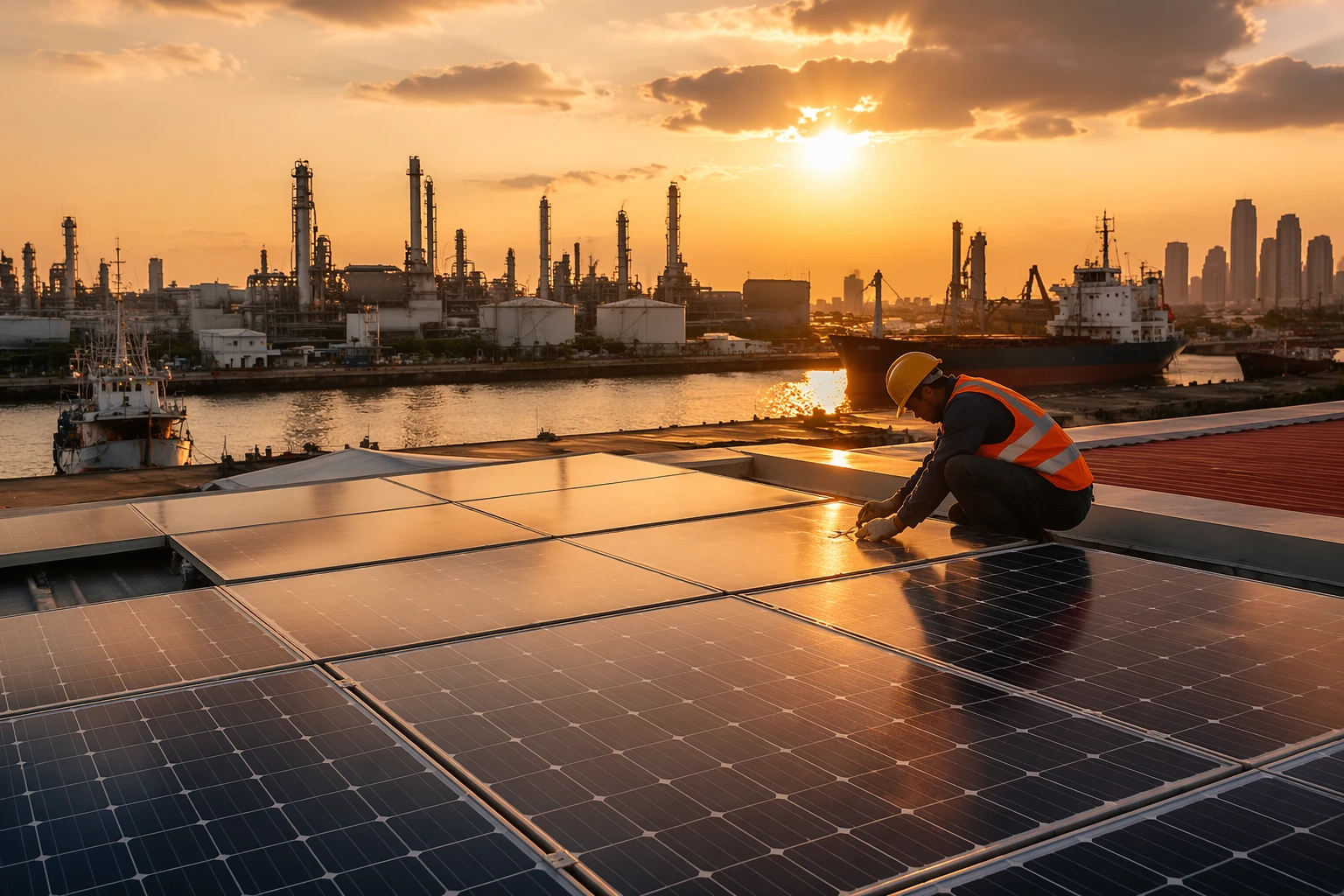
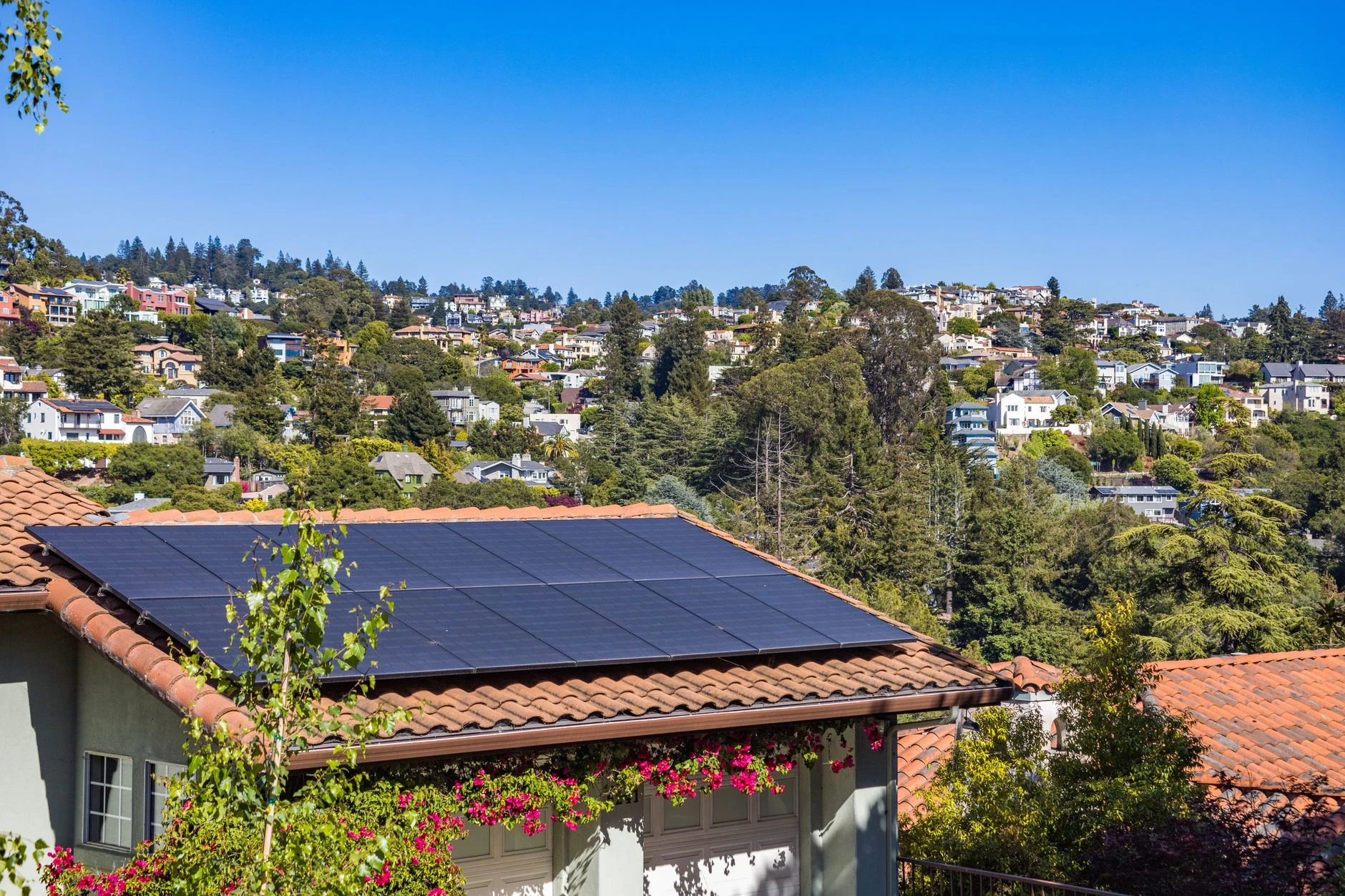
That is why rooftop solar is gaining new momentum. Panels on homes, factories and shops offer a way to cut exposure to imported fuel costs, especially in countries that rely heavily on oil shipments and power systems still vulnerable to price spikes. The broader response is widening beyond rooftops, with more interest in electric vehicles and nuclear power, while governments and utilities face mounting pressure to strengthen grids, expand storage, improve efficiency and deepen regional cooperation.
Without faster diversification, the IEA warns, Southeast Asia’s net oil and gas import bill could climb sharply over the coming decade. The region’s energy choices are being rewritten not only by domestic demand, but by every disruption that moves through the Strait of Hormuz.
Sources
- [1]nytimes.com
- [2]iea.org