US News
Southern Baptists move to bar churches with women pastors
Southern Baptist messengers in Orlando voted overwhelmingly to advance a constitutional amendment that would bar churches with women pastors from full cooperation with the denomination. The 6,028-2,026 tally sent the “Truth and Unity” amendment to a required second vote next year, intensifying a battle over authority, gender roles and who gets to define biblical leadership in America’s largest Protestant body.
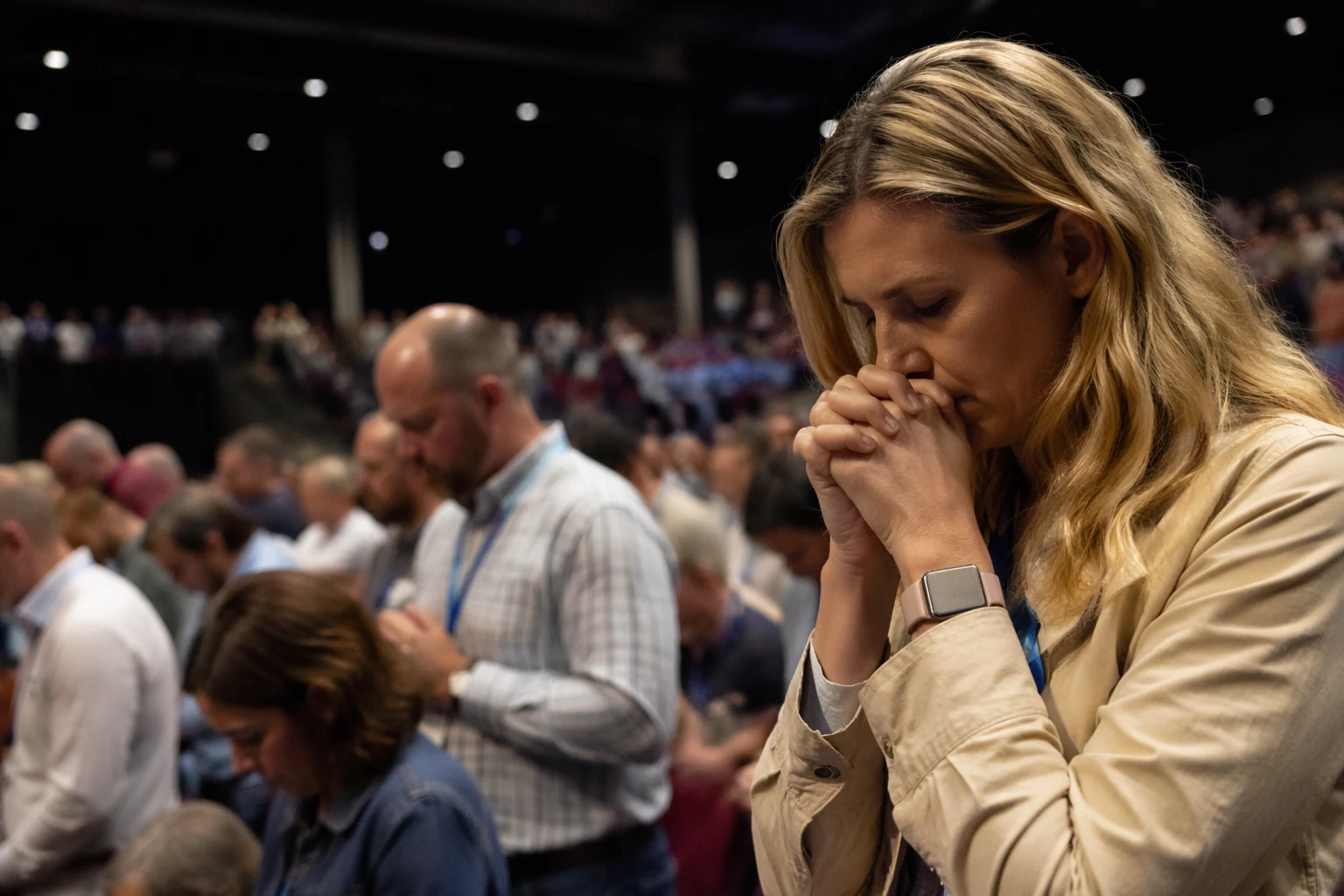
More than 11,000 church representatives gathered at the Orange County Convention Center for the June 9-10 annual meeting, where the amendment cleared the two-thirds threshold needed to move forward. If it passes again in 2027, it would become part of the Southern Baptist Convention constitution and give the denomination a more explicit basis for excluding churches that affirm, appoint or endorse women serving as pastor, elder or overseer, including those who preach to the assembled congregation.
The proposal would not give the SBC direct control over self-governing local congregations, but it would strengthen the convention’s hand in deciding which churches remain in “friendly cooperation.” That designation matters because cooperation determines access to the denomination’s fellowship, influence and institutional life. The SBC already says in its Baptist Faith and Message 2000 that while men and women are both gifted for service in the church, the office of pastor, elder or overseer is limited to men as qualified by Scripture.
Supporters cast the amendment as a clarification rather than a new doctrine. Albert Mohler, president of the Southern Baptist Theological Seminary and one of its chief architects, said the move would provide constitutional clarity. The issue has become a defining test inside the denomination, one that Mohler and other conservatives have described as a dividing line between biblical evangelicalism and more liberal churches.
The vote followed years of escalation. In 2023, messengers opened a two-year constitutional amendment process with language that would have required churches to appoint or employ only men as any kind of pastor or elder. That same year, the convention affirmed the removal of six churches from friendly cooperation, including Saddleback Church and Fern Creek Baptist Church, after leaders said their practices conflicted with SBC teaching on women pastors.
Opposition remained limited on the floor. The only public objection came from South Carolina pastor Doug Mize, who argued the denomination already had a mechanism to remove churches that violated its teaching and did not need a new constitutional ban.
The decision lands at a moment when the SBC is still insisting it has not barred women from ministry altogether. In 2023, the convention unanimously passed a resolution affirming women in the Great Commission, even as its leaders moved to tighten the line around the pastoral office. That tension now sits at the center of the denomination’s internal struggle, with the 2026 vote signaling that Southern Baptists still want to define their future by drawing sharper boundaries around who may preach, lead and speak with authority.
Sources
- [1]apnews.com
- [2]religionnews.com
- [3]sbc.net
- [4]bfm.sbc.net