Business
Southern businesses race to add EV chargers as sales volatility grows
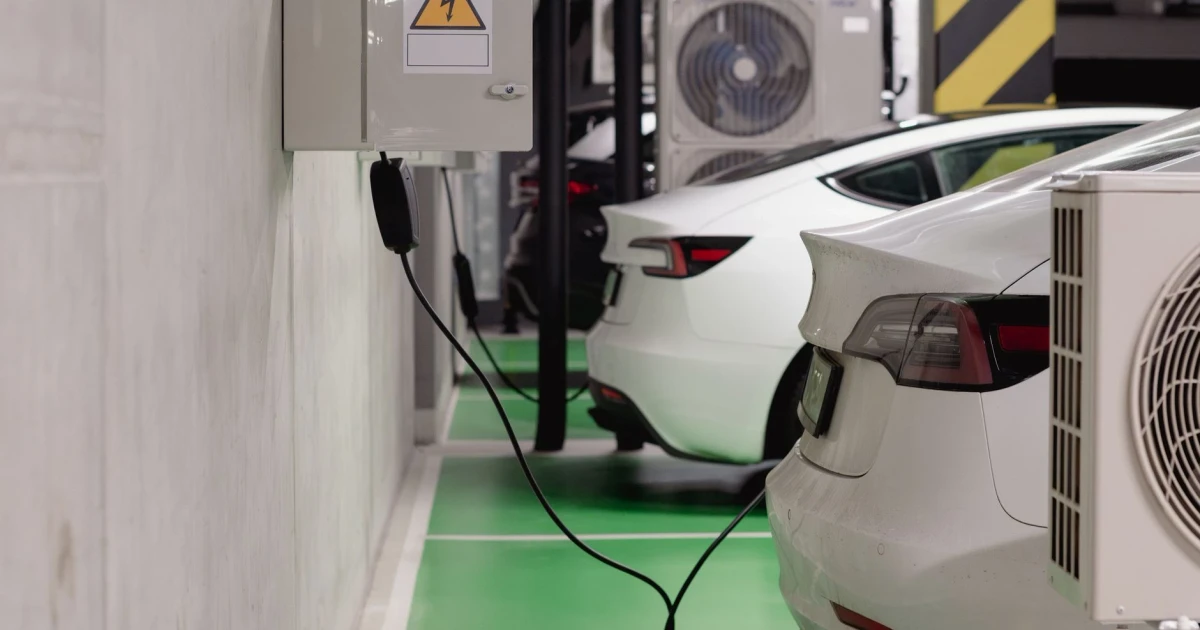
Fast-food restaurants, stores and travel stops across Southern states are adding EV chargers even as U.S. EV sales fell to 216,399 in the first quarter of 2026, down 27% from a year earlier and 7.8% from the previous quarter. The mismatch is sharpening a national question: whether businesses are building ahead of demand or simply betting that plug-in drivers will keep arriving, if not today then later.
The federal charging map shows the network has kept expanding. The U.S. Department of Energy’s Alternative Fuels Data Center shows public charging infrastructure growing steadily since 2007, while its broader charts track a longer run of expansion since 2011. Argonne National Laboratory said that as of February 2025, the United States had more than 210,000 publicly available EV chargers at more than 76,000 charging stations, and nearly 1,000 new public chargers were going live every week, aided by federal funding, tax incentives, state and local money, and private investment.
That buildout has only continued. The Joint Office of Energy and Transportation’s station map listed 83,171 station locations and 257,030 EV charging ports in July 2026, a steep increase from the February 2025 count. The pattern is shifting the geography of charging, too: instead of sitting mainly at dealerships or dedicated fuel sites, chargers are showing up at retail centers, dining stops, airports and other public destinations where drivers can spend time while their cars charge.
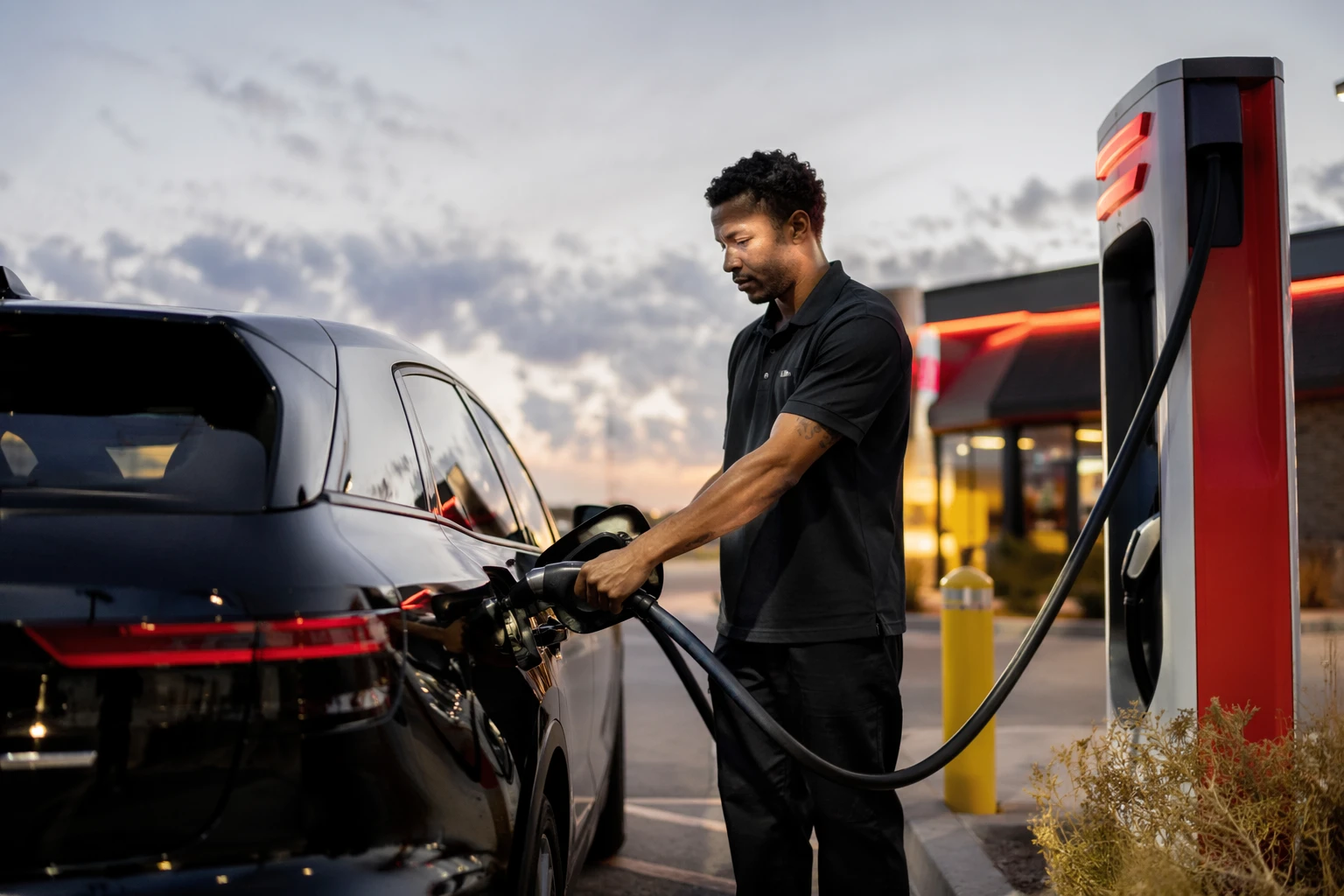
The sales side of the equation has not moved as smoothly. Cox Automotive said U.S. EV sales fell in the fourth quarter of 2025 by 36% year over year after federal incentives expired at the start of October. Even so, Cox said 2025 was still the second-best year on record for EV sales in the United States, with total volume just shy of 1.30 million and market share at 7.8%. Analysts Stephanie Valdez Streaty and Frank Mullens have been tracking that volatility, which helps explain why businesses are still adding plugs even when the sales line wobbles.
For site owners, chargers are not just utility hardware. They can turn a parking lot into a destination, because drivers find them in EV apps and often spend time, and money, at nearby restaurants and shops while they wait. That logic is pushing Southern businesses to keep installing chargers now, before EV adoption settles into a steadier pace.
Sources
- [1]nytimes.com
- [2]afdc.energy.gov
- [3]anl.gov
- [4]driveelectric.gov
- [5]coxautoinc.com
- [6]apnews.com