US News
Southern California fault system is at highest stress in 1,000 years
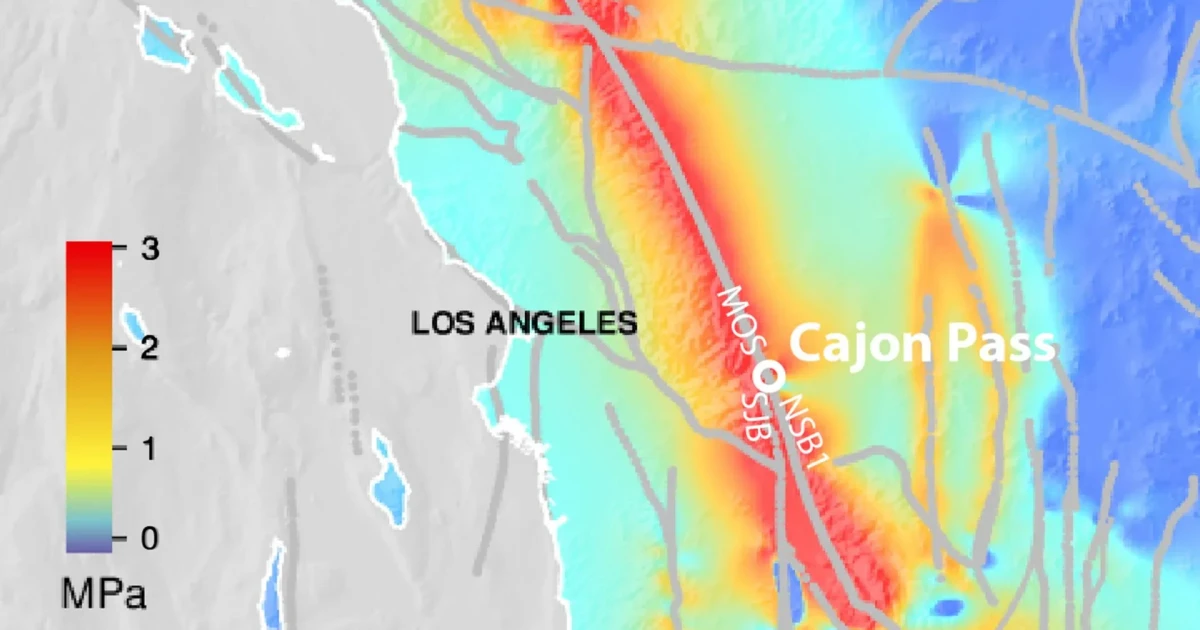
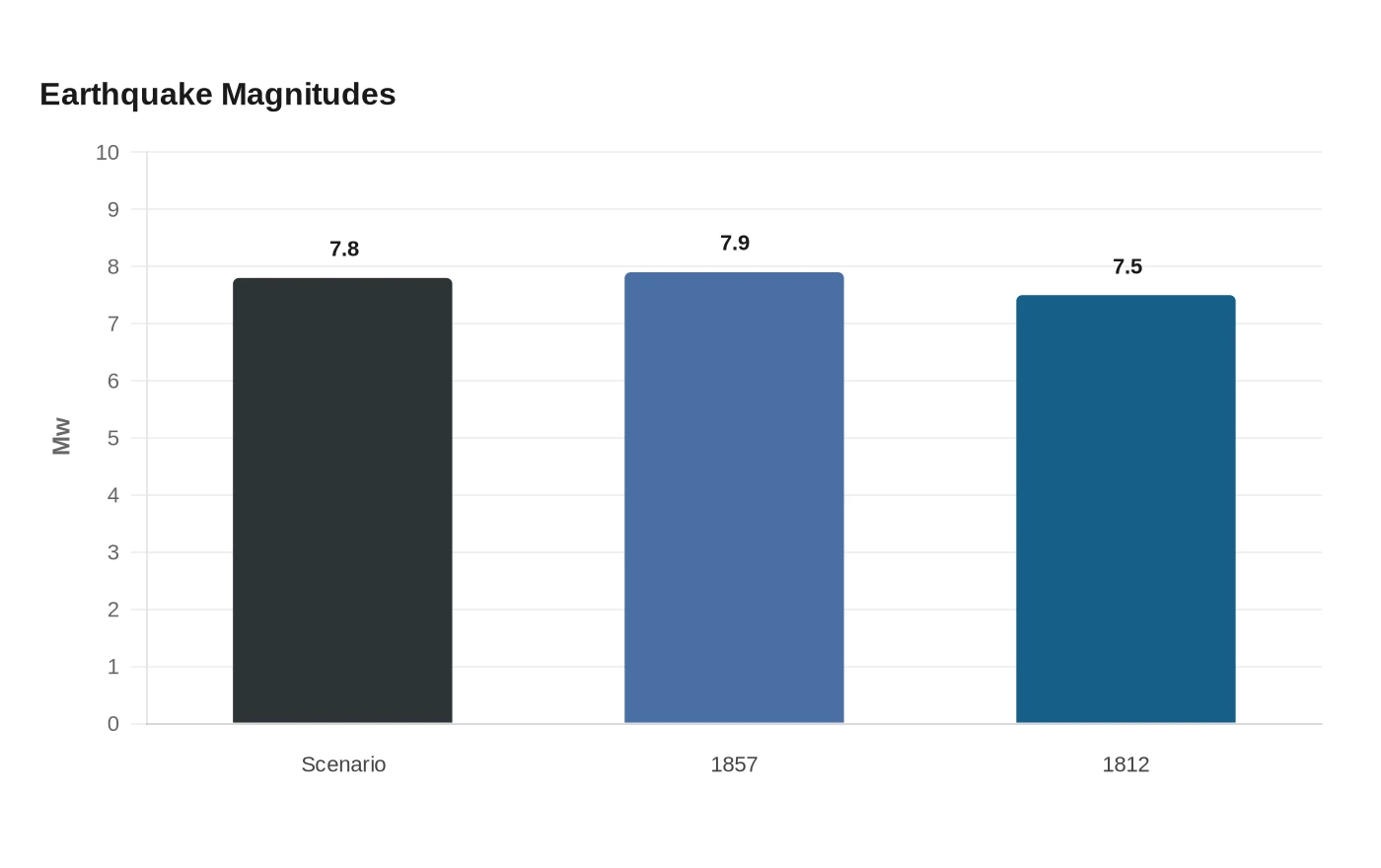
A new study has pushed Southern California’s seismic risk back into sharper focus by finding that the region’s main fault system is more stressed than at any point in the last 1,000 years. The result does not predict a specific quake, but it does raise the stakes for a region where nearly 24 million people live and where planners already train for a magnitude 7.8 San Andreas scenario.
The research, published in Journal of Geophysical Research: Solid Earth and led by Dr. Liliane Burkhard of the University of Bern, centered on Cajon Pass, the tectonically complex junction northeast of Los Angeles where the San Andreas Fault and the San Jacinto Fault come close together. Scientists from the University of Hawaii at Mānoa, the U.S. Geological Survey Earthquake Science Center in Pasadena and Scripps Institution of Oceanography at UC San Diego helped build the model, which treats the junction as a critical point in how ruptures travel through the region.
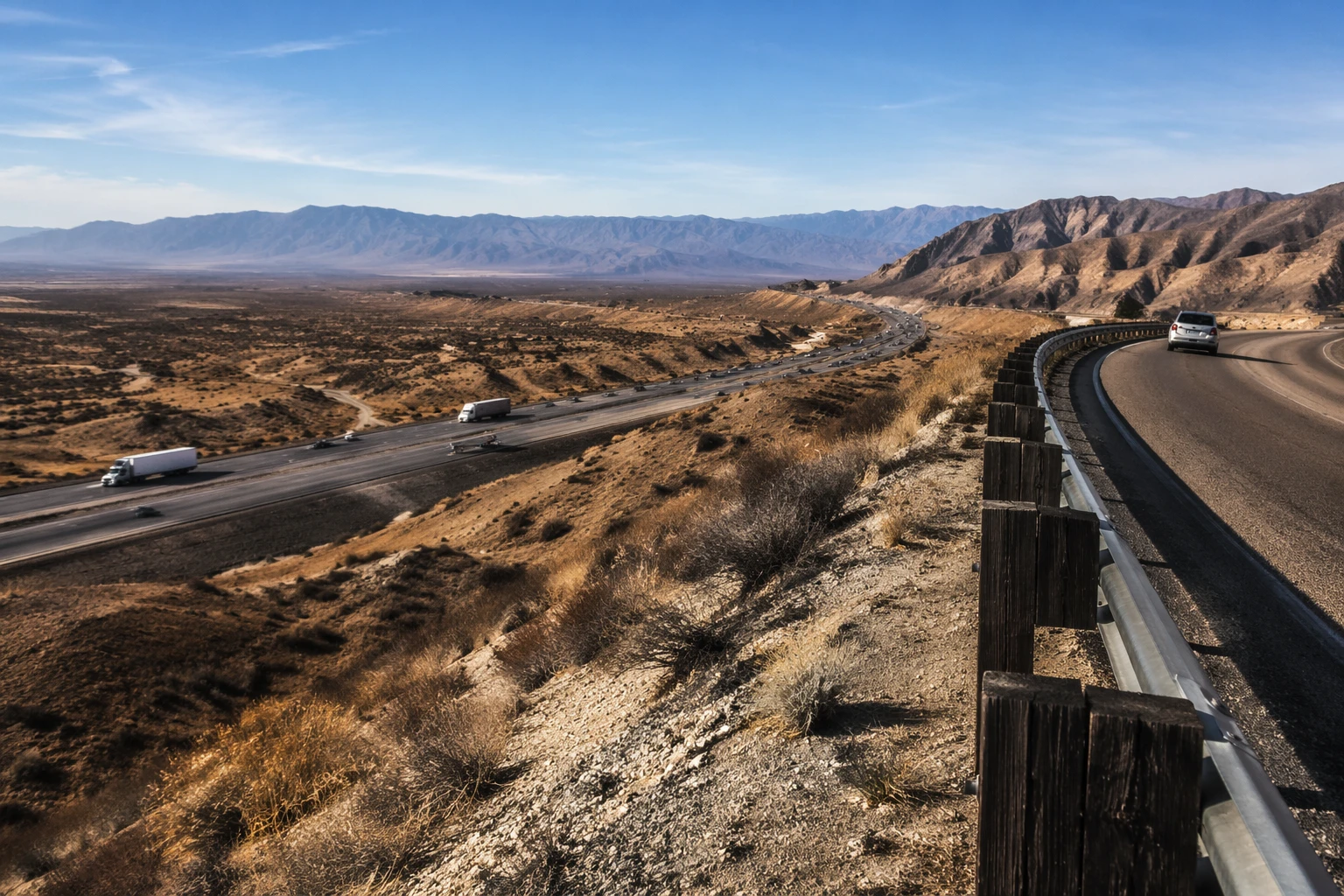
USGS descriptions say the San Andreas Fault extends southward to Cajon Pass near San Bernardino, where branching faults including the San Jacinto and Banning faults share plate motion. The new work suggests that this area can act like an earthquake gate: in some ruptures, the break may stop there; in others, it may jump from one fault system to another and spread much farther. That distinction matters because a joint rupture would likely produce a larger and more destructive earthquake than one confined to a single fault.
The historical record underscores why the finding matters. The last major benchmark event in the system was the magnitude 7.9 Fort Tejon earthquake of January 9, 1857. USGS says that quake shook central and southern California for 1 to 3 minutes, was felt across more than 350,000 square kilometers, and produced several meters of sudden right-lateral slip on the San Andreas Fault. It was longer than the 1906 San Francisco rupture, though the 1857 event had larger maximum and average displacement, and it caused one fatality.

Researchers also point to an even earlier large earthquake northwest of San Bernardino on December 8, 1812, a magnitude 7.5 event that has long figured in discussions of San Andreas-San Jacinto interaction. By reconstructing a 1,000-year earthquake history from geological evidence and modeling, the team concluded that stress has built to an unusually high level, even if no one can say when it will be released.
For Southern California, the practical message is clear. Better fault modeling can identify the junctions most likely to control rupture length, but the readiness gap remains in the real world: building codes, infrastructure vulnerability, insurance exposure and emergency planning still have to account for a very large earthquake in a densely populated region.
Sources
- [1]sciencedaily.com
- [2]usgs.gov
- [3]earthquake.usgs.gov
- [4]pubs.usgs.gov